North India Cotton Acreage Decline Triggers Urgent Revival Push
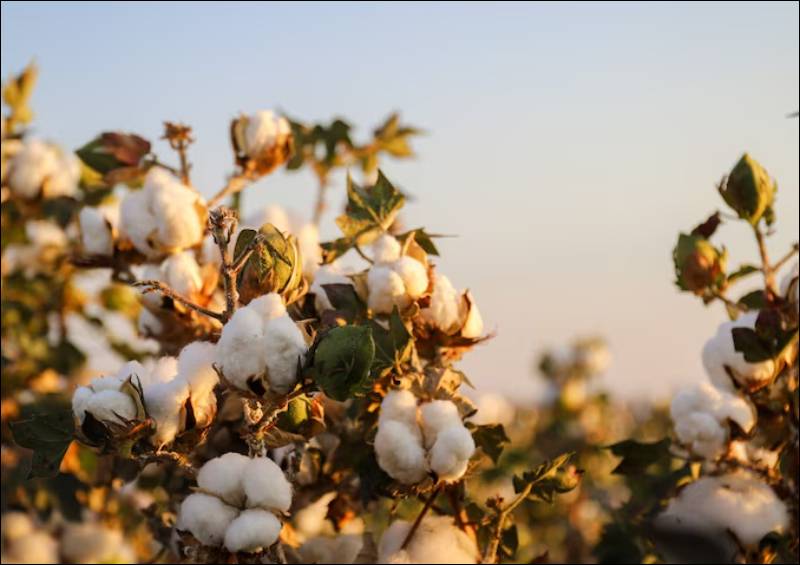
A sharp and sustained decline in cotton acreage across northern India has triggered alarm among policymakers and agricultural experts, prompting calls for immediate, coordinated intervention to restore the crop’s viability and farmer confidence.
The issue took centre stage at a high-level meeting of the Interstate Consultative and Monitoring Committee on Cotton held in Bathinda, where stakeholders from Punjab, Haryana and Rajasthan convened to assess the situation and outline a roadmap for the upcoming Kharif 2026 season.
Chaired by Satbir Singh Gosal, Vice-Chancellor of Punjab Agricultural University (PAU), the meeting underscored the growing stress on cotton cultivation due to a combination of pest infestations and climatic volatility. Senior officials, scientists and extension experts from across the cotton belt participated in the deliberations.
Gosal flagged the persistent fall in acreage as a serious concern, attributing it to rising biotic and abiotic pressures. Key threats include infestations of pink bollworm and whitefly, along with the spread of cotton leaf curl virus, compounded by erratic weather patterns. He emphasised the need for timely availability of high-quality seeds and proposed subsidies on Bt cotton to encourage farmer adoption.
Water management also emerged as a critical factor, with Gosal stressing the importance of assured canal irrigation for pre-sowing operations to ensure optimal crop establishment. He further called for balanced fertilisation practices and closer coordination among stakeholders to tackle pest pressures and revive cotton profitability.
Gurjeet Singh Brar, Director of Agriculture, Punjab, pointed to a growing shift among farmers towards paddy cultivation, driven by more reliable irrigation and recurring pest-related losses in cotton. He highlighted timely sowing, deep ploughing and effective crop residue management as key strategies to improve productivity. Brar also noted that a large-scale awareness campaign is currently underway across Punjab’s cotton-growing districts.
Field-level feedback from Chief Agriculture Officers across major cotton districts including Bathinda, Mansa, Fazilka and Moga, indicated intensified extension efforts, particularly focusing on off-season pest control measures targeting pink bollworm and whitefly.
On the research front, A S Dhatt, Director of Research at PAU, highlighted recent developments such as the release of the desi cotton variety PBD 88. He emphasised the need for updated plant protection strategies, promotion of mechanisation-friendly crop varieties and improved fumigation practices in ginning units to curb pest carryover.
Makhan Singh Bhullar, Director of Extension Education at PAU, observed that the migration of cotton cultivation to lighter soils is adversely impacting yields and farm economics compared to paddy. Despite these challenges, he reiterated cotton’s continued importance to the socio-economic fabric of the Malwa region and called for intensified on-ground outreach, especially in managing crop residues and weeds.
Highlighting the evolving pest scenario, Vijay Kumar, Principal Entomologist at PAU, warned of the presence of hibernating larvae and pupae of pink bollworm in cotton residue heaps and ginning factory stocks. If left unmanaged, these could trigger fresh infestations in the upcoming season.
Adding a regional perspective, Rishi Kumar from the Central Institute for Cotton Research stressed the need for adaptive pest management strategies to address shifting infestation patterns.
With pest pressures intensifying and acreage shrinking, the meeting concluded with a clear consensus: restoring cotton’s profitability will require a multi-pronged approach combining policy support, scientific innovation and coordinated field-level action ahead of Kharif 2026.