Speed and Connectivity Define Future At Techtextil & Texprocess 2026
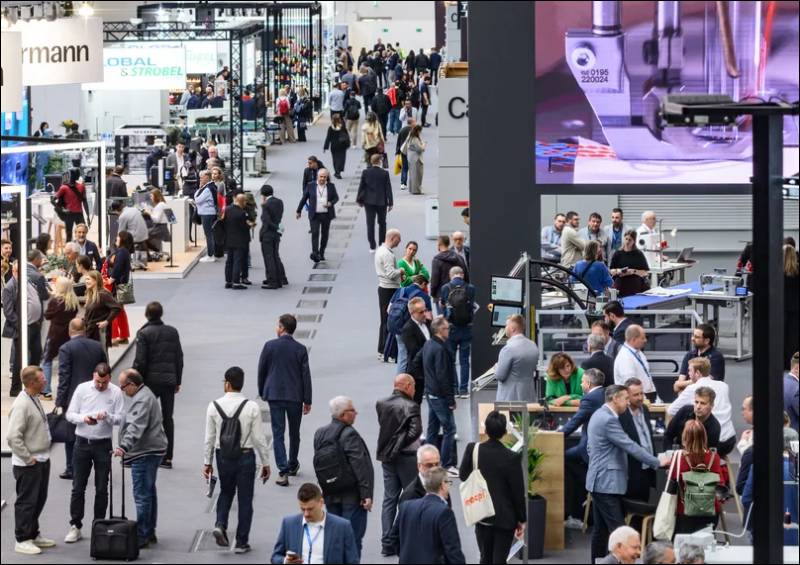
Held in Frankfurt, Techtextil 2026 and Texprocess 2026 strengthened their position as the global launchpad for market-ready textile innovations, bringing together more than 36,000 visitors and 1,700 exhibitors from 112 countries.
At a time when industries are navigating volatility and transformation, the twin fairs highlighted how speed, connectivity and collaboration are reshaping textile manufacturing and applications. From natural fibres and performance apparel to AI-driven systems, the convergence of research, industry and end-use applications emerged as a powerful catalyst for innovation.
Visitor satisfaction stood at an impressive 95 percent, while exhibitor satisfaction reached 86 percent overall and 90 percent at Texprocess. Exhibitors also reported a 13 percent increase in the quality of visitors, underlining the fairs’ growing relevance as platforms for meaningful business engagement and partnerships. Participation from countries including India, Japan, Portugal, Sweden and the USA saw notable growth.

“Volatile market developments are driving lasting changes in business models. Connectivity, flexibility and speed are key success factors in this environment,” said Detlef Braun, Member of the Executive Board of Messe Frankfurt, emphasising the role of such platforms in accelerating the journey from idea to application.
Collaboration stood out as a defining theme, particularly at the Innovation Awards 2026, where many breakthroughs were the result of cross-industry partnerships. One such example was the enzyme-based recycling technology developed by Samsara Eco in collaboration with Deakin University, The Lycra Company, Nilit and Lululemon.
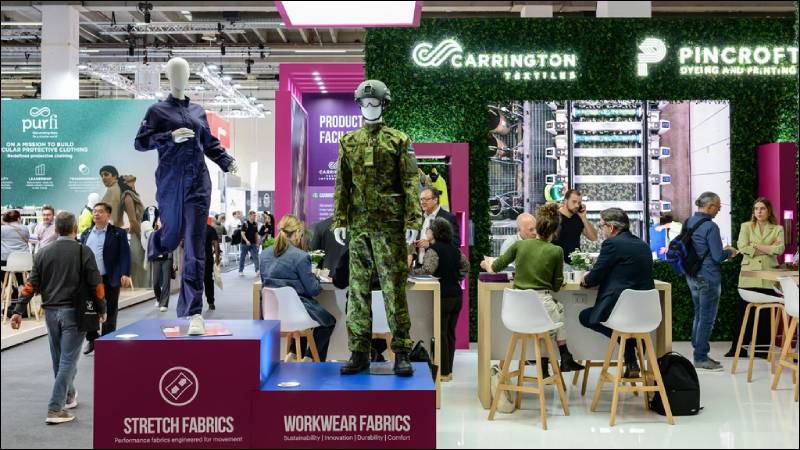
Across the exhibition halls, innovation translated into tangible, cross-industry applications from protective clothing and medical textiles to automotive solutions. According to Olaf Schmidt, Vice President Textiles & Textile Technologies at Messe Frankfurt, the fairs not only reveal which technologies are investment-ready but also foster unexpected collaborations that open new markets.
Sustainability remained a central focus, particularly within the Nature Performance segment, where over 110 exhibitors showcased bio-based alternatives to synthetic fibres. These materials offer recyclability, reduced CO₂ impact and decreased dependence on fossil resources. Companies like Cordenka presented compostable technical viscose fibres for agriculture, while OceanSafe introduced scalable bio-based high-performance polymers.
In performance apparel, the exhibitor base doubled, driven by rising demand in defence, security and industrial safety. Advanced materials designed for durability, protection and compliance were on display, including innovations from Concordia Textiles and Advance Hitech Textile International.
Meanwhile, Texprocess underscored the growing importance of connected, demand-driven production systems. Digital integration across the value chain from design to manufacturing, is enabling faster response times and improved efficiency. Solutions showcased by Style3D and Assyst demonstrated how AI is streamlining product development and reducing costs. Innovations in automation were further highlighted by Comelz and Dürkopp Adler, both presenting systems designed for smarter, more integrated production.
As global supply chains evolve, Techtextil and Texprocess 2026 made one thing clear: the future of textiles lies in intelligent connectivity, sustainable materials and rapid innovation cycles, where ideas are not just showcased, but swiftly transformed into scalable industrial solutions.