Govt Weighs Cotton Duty Cut Amid Rising Input Costs
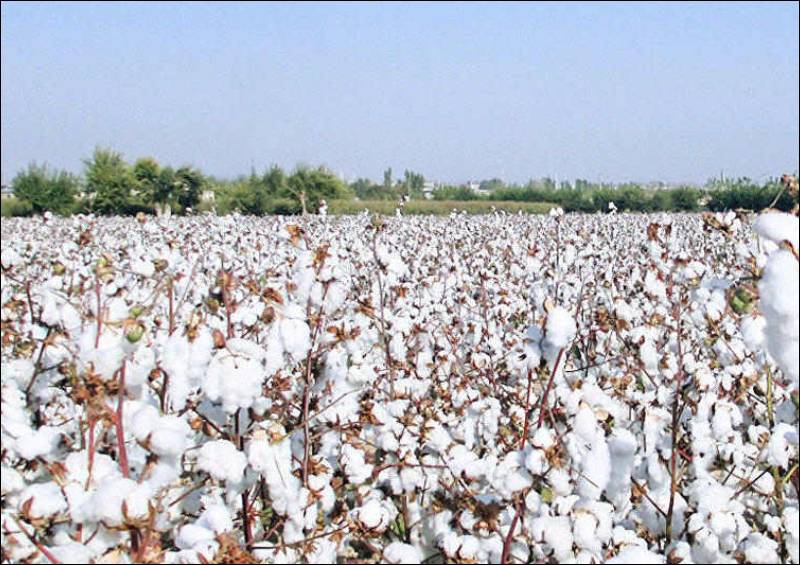
The Ministry of Textiles is actively evaluating a reduction or temporary removal of import duties on raw cotton, as part of a broader effort to ease cost pressures on the domestic textile industry. The move comes in response to sustained industry demands to scrap the current 11 percent customs duty, which has been impacting competitiveness amid elevated global cotton prices.
Speaking at an inter-ministerial briefing, Bipin Menon confirmed that discussions are underway with the Department of Revenue, with inputs also being taken from the agriculture ministry. “We are working with the Department of Revenue to see whether a reduction can happen,” he said, adding that all three ministries are jointly examining the possibility of duty rationalisation.
According to officials, the government is also considering a temporary duty relief during the lean cotton season to stabilise raw material availability and pricing. A final decision will be taken after consultations between the ministries of agriculture, textiles and finance.

In parallel, the textiles ministry has sought the removal of the 2.5 percent customs duty on rayon-grade wood pulp, a key raw material for the viscose value chain. The proposal is aimed at strengthening the competitiveness of man-made fibre segments, which are increasingly critical to India’s textile export strategy.
The government is also reviewing industry recommendations on export incentive schemes. The ministry has taken up proposals with the Directorate General of Foreign Trade to revise rates under schemes such as RoDTEP and RoSCTL. Suggestions include restoring earlier benefit levels that were reduced and enhancing rates to better support exporters in a challenging global environment.
At the same time, the ministry is closely monitoring geopolitical developments in West Asia and their potential impact on textile trade flows. Regular consultations are being held with export promotion councils, regional clusters and industry associations to assess risks and identify mitigation strategies.
To address logistical disruptions, the government is coordinating with shipping authorities and exploring alternative trade routes and ports, including Jeddah, to ensure continuity of exports to key Middle East markets. It is also working with stakeholders to manage potential fuel and gas supply constraints, with support from GAIL if required through spot market sourcing.
The ongoing policy deliberations signal a calibrated approach by the government to balance domestic industry protection with the need to maintain export competitiveness, particularly at a time of global uncertainty and shifting supply chains.