T&A Industry Looking Beyond Recovery To The Next Growth Cycle
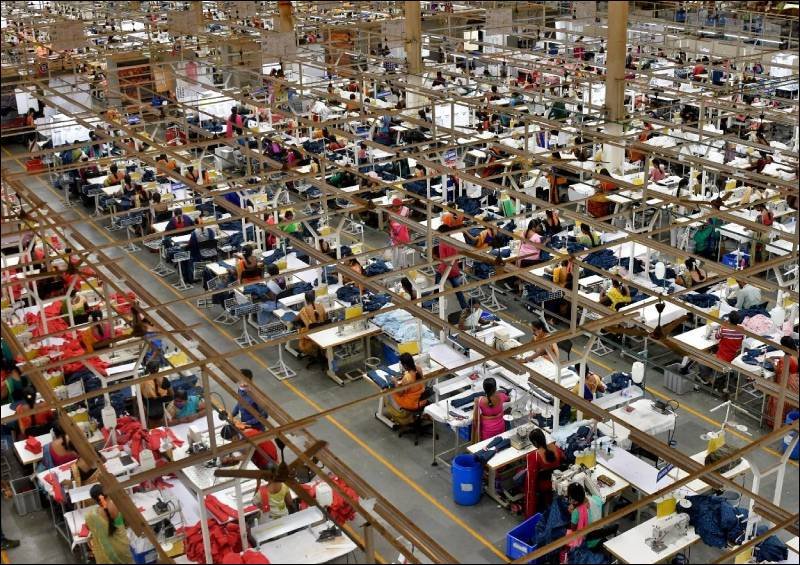
After navigating one of the most challenging periods in recent history, the domestic textile and apparel (T&A) industry is increasingly looking beyond recovery towards a new phase of expansion. For nearly three years, the sector faced a combination of adverse factors—weak demand across key export markets, elevated inflation, inventory corrections by global retailers, volatile raw material prices, geopolitical disruptions and intense competition from countries such as Bangladesh and Vietnam.
The result was a prolonged slowdown that impacted exports, profitability and investment activity across the textile value chain. Yet, as global demand gradually stabilises and policymakers step up support measures, industry leaders are becoming increasingly confident that the sector is entering a structurally stronger growth cycle.
Today, the conversation within boardrooms is no longer centred solely on survival. Instead, the focus has shifted towards capacity expansion, value addition, sustainability, technical textiles, global market share gains and strengthening India’s position as a preferred sourcing destination for international brands.

This inventory correction rippled through global textile supply chains. Indian manufacturers faced order cancellations, lower capacity utilisation and margin pressures. At the same time, cotton prices witnessed sharp fluctuations, energy costs surged and geopolitical tensions disrupted logistics networks.
However, the operating environment has begun to improve. Inventory levels at global retailers have largely normalised, demand visibility has improved and sourcing discussions have gained momentum. Industry participants believe that a gradual recovery in consumer demand across developed markets, coupled with easing supply-chain disruptions, is creating a stronger foundation for growth. More importantly, several structural changes are reshaping the global textile landscape in ways that could favour India over the coming decade.
The improving outlook is also reflected in the strategies being adopted by major textile companies, many of which have successfully navigated one of the most challenging operating environments in recent years. Despite weak global demand, pricing pressures and geopolitical disruptions, leading players have focused on strengthening balance sheets, improving operational efficiency, diversifying sourcing networks and expanding into higher-value segments.

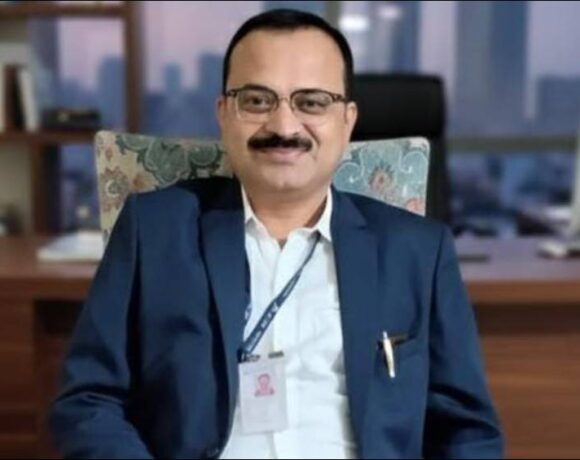
Pallak Seth
Among the most notable examples is PDS Ltd, which has continued to demonstrate resilience through its asset-light global sourcing model. The company reported FY26 revenue growth, improved cash generation and a stronger order book despite persistent uncertainties in global trade and consumer demand. According to Executive Vice Chairman Pallak Seth, the company was able to navigate a difficult environment through diversified sourcing and strong customer relationships.
“FY26 was a challenging year marked by heightened global uncertainties… Against this backdrop, PDS demonstrated the resilience of its platform by delivering stable growth, supported by deep customer relationships and disciplined execution through our diversified sourcing network,” Seth said while discussing the company’s FY26 performance. He added that evolving global sourcing corridors and increasing adoption of technology and AI across the value chain position the company to benefit from future growth opportunities.
At Vardhman Textiles, the management pointed to improving industry fundamentals after a prolonged downturn. During its FY26 earnings discussion, the company noted that demand conditions have improved, Indian cotton prices have become more globally competitive and capacity utilisation across downstream exporters has strengthened. The company also expressed optimism that upcoming trade agreements with markets such as the UK and Europe could become important growth catalysts over the next few years. Meanwhile, Vardhman continues to invest aggressively in modernization, garmenting and value-added fabric capacities to capture emerging opportunities.
Similarly, RSWM Ltd has emerged from the recent downturn with a renewed focus on profitability, value-added products and operational discipline. The company returned to profitability in FY26 and reported a significant improvement in earnings despite continued demand challenges. Management has indicated that future growth will be driven by product innovation, margin enhancement and selective capacity expansion rather than volume growth alone.

Nitin Tulyani
In its investor communication, RSWM’s President and CFO Nitin Tulyani noted that the company delivered improved earnings through disciplined execution, a better product mix and strong focus on margin preservation. Looking ahead, he said the global textile sector is expected to gradually move from stabilisation towards demand normalisation, with growth increasingly driven by value-added products, operational efficiency and sustained margin discipline.

B.K. Goenka
“The sequential recovery witnessed during the year gives us confidence that the trough is firmly behind us. While global macroeconomic conditions remain dynamic, the underlying demand drivers for home textiles remain intact. Our investments in innovation, sustainability, brand building and operational efficiencies, combined with a significantly stronger balance sheet, provide a solid foundation for long-term growth. We enter the new financial year with confidence and a clear focus on delivering sustainable value creation,” says B.K. Goenka, Chairman, Welspun Living

Kulin Lalbhai
“The business environment continues to improve gradually after a prolonged period of volatility in global markets. We are witnessing encouraging momentum across our textile and apparel businesses, supported by stronger customer engagement, improved demand visibility and the benefits of our vertically integrated manufacturing model. Our continued investments in advanced materials, garmenting and innovation-led products position us favourably to benefit from both domestic and export opportunities,” states Kulin Lalbhai, Vice Chairman & Managing Director, Arvind Ltd.
Gokaldas Exports, one of India’s leading apparel exporters, has also maintained a constructive outlook. Management expects growth to be supported by strong order visibility, increasing sourcing opportunities from global brands, benefits from future trade agreements and continued customer diversification. The company has indicated expectations of double-digit revenue growth over the medium term, while also pursuing capacity expansion and strategic acquisitions to strengthen its global manufacturing footprint.
Many companies are also increasing their focus on value-added products, premiumisation and technical textiles, recognising that future growth will increasingly be driven by innovation rather than scale alone.
Taken together, these developments suggest that India’s textile industry may be entering a new phase of evolution. While challenges remain—including global demand uncertainty, competitive pressures and the need for continued investment—the broader environment is becoming considerably more supportive than it was just a few years ago.
The convergence of multiple positive factors is particularly significant. Global sourcing diversification is creating fresh opportunities. Trade agreements are improving market access. PM MITRA parks promise to enhance manufacturing competitiveness. Policy support is accelerating investments in MMF and technical textiles. Raw material reforms are addressing long-standing industry concerns. Meanwhile, improving geopolitical stability could help restore confidence across global supply chains.
For an industry that directly and indirectly employs millions of people and remains one of India’s most important export sectors, these developments could not have come at a more crucial time. The coming years will determine whether India can translate these opportunities into lasting global leadership. If policymakers and industry leaders can successfully align infrastructure, innovation, sustainability and scale, the country could significantly expand its share of the global textile and apparel market.
After years of disruption and uncertainty, India’s textile sector appears poised to write a new chapter—one driven not merely by recovery, but by renewed competitiveness, stronger global integration and long-term growth. The foundations are steadily falling into place, and for many industry participants, the focus is now shifting from survival to expansion. The question is no longer whether opportunities exist, but how effectively the industry can seize them.