Indonesia will begin imposing safeguard duties on imported cotton woven fabrics from January 10, aiming to protect its domestic textile industry from a surge in imports. The safeguard duty, known locally as Bea Masuk Tindakan Pengamanan (BMTP), will be enforced for a three-year period under a
To maintain the competitiveness of Indonesia’s textile industry, the Ministry of Industry (Kemenperin) has called on upstream producers to strengthen transparency, administrative compliance, and strategic consistency. The appeal was specifically directed at members of the Association of Indonesian Filament and Filament Producers (APSyFI). According to data from the
The Indonesian government has called for the swift completion of the Indonesia-European Union Comprehensive Economic Partnership Agreement (IEU-CEPA) to protect and strengthen its textile industry amid global geopolitical uncertainty. Coordinating Minister for Economic Affairs Airlangga Hartarto highlighted that the European Union (EU) is Indonesia’s largest market for
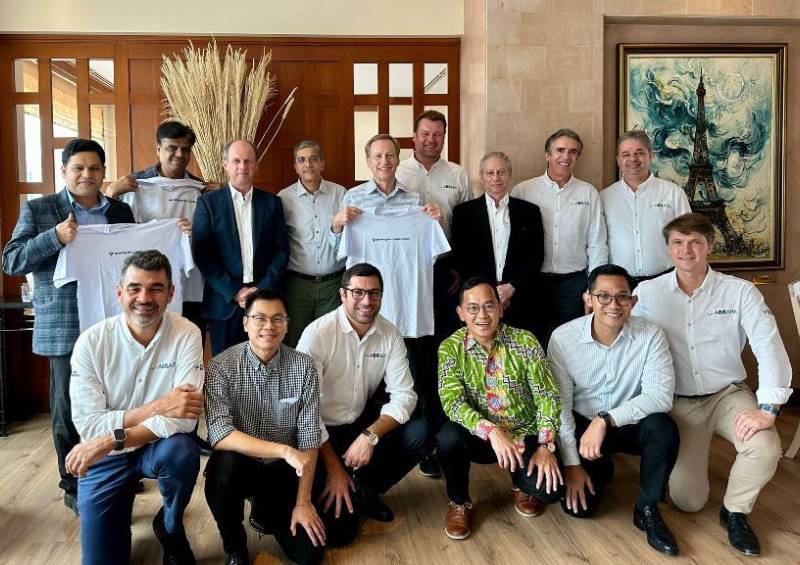
A Brazilian delegation, representing the Brazilian Cotton Producers Association (Abrapa) was in Indonesia to boost exports of Brazilian cotton to Indonesia. A Cotton Brazil Outlook seminar was also held in Jakarta which brought together more than 60 high ranking officials from various textile mills. The objective was to strengthen commercial relations and identify new
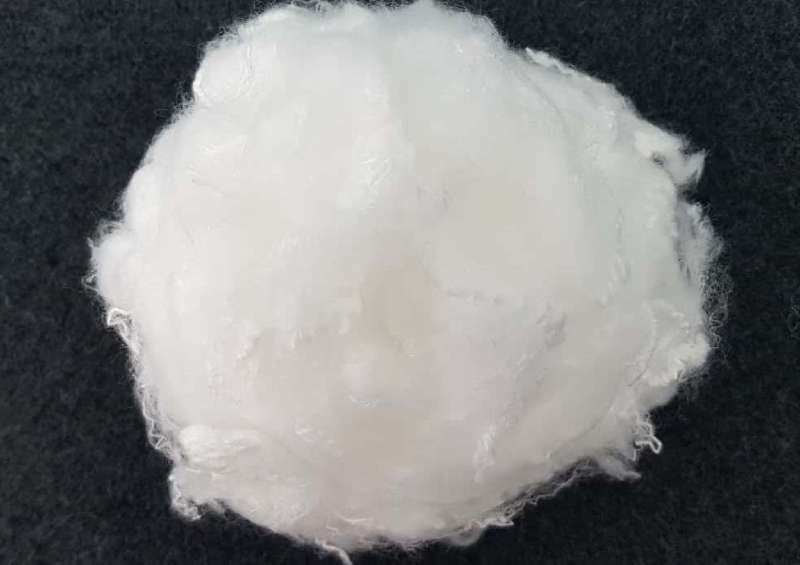
The Indonesian textile industry has received a positive boost with the issuance of a government guideline regulating the import of textile raw materials like MEG, a key raw material for PSF. This regulation provides clear guidance for industry players in managing imports of raw materials, with the main aim of maintaining stable supply and demand […]
A recent new Indonesian regulation on import of textile raw materials like Mono Ethylene Glycol (MEG) is threatening to disrupt production of polyester staple fibres (PSF). The new regulation has changed import controls from post-border to border, which has become a source of great concern for textile industry players. The Indonesian Filament and Thread Manufacturers […]
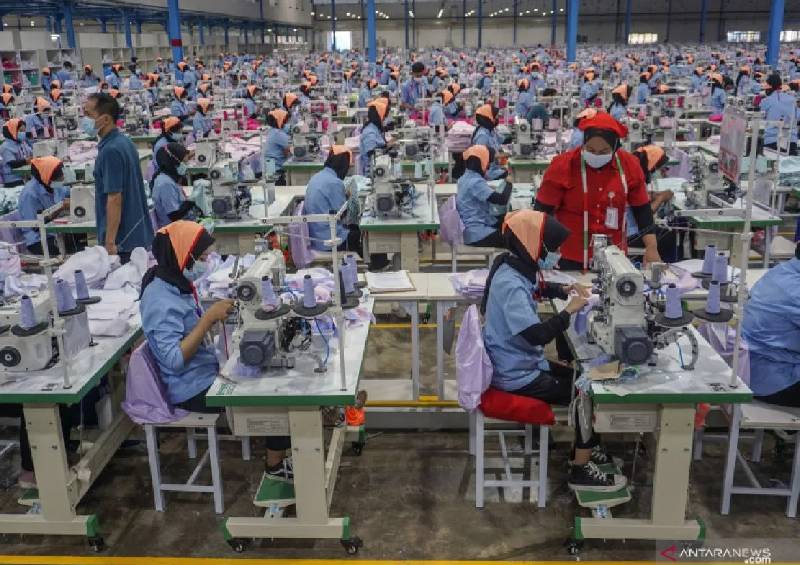
The trend of layoffs is continuing in the Indonesian textile and garment sector which started since the beginning of this year. According to the Confederation of Indonesian Workers’ Unions (KSPN) more than 7,000 workers have been laid off since the beginning of 2023 in both the textile and apparel industries. KSPN President Ristadi pointed out […]
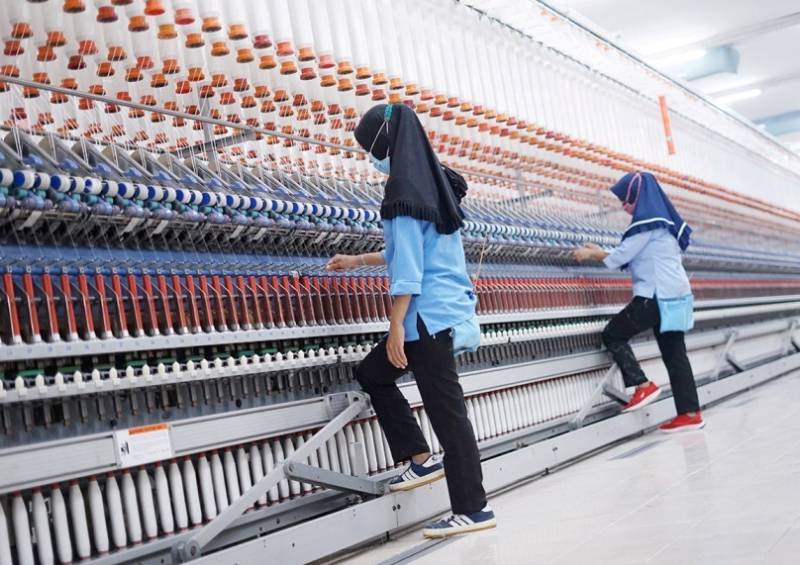
The Indonesia textile and garment industry which is seeing various challenges including increasing imports is also facing a challenge of hiring employees who have requisite skills and competencies. The industry that employs around 3.9 people has identified that the productivity and skills of the workforce greatly influence the performance of the textile industry. To
The Indonesian government has started an investigation into various imported textile products in order to safeguard the domestic industry. The Indonesian Trade Safeguard Committee (KPPI), under the Ministry of Trade has initiated the probe after the Indonesian Textile Association (API) raised the issue earlier in the year. The Ministry of Trade took into consideration the
The Association of Indonesian Fiber and Filament Yarn Producers (APSYFI) has claimed that the large scale illegal import of textiles and garments was ruining the domestic industry. The association has requested the government to put an end on these illegal imports and save the industry, which is already reeling from impact of global slowdown. By […]