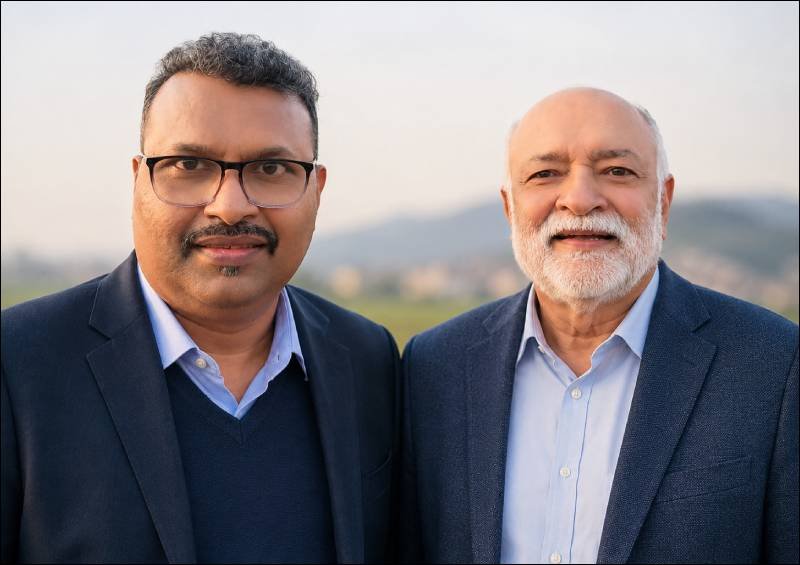

EcoEx has appointed Kapil Lakhwara as Vice President – Textile Sustainability & Global Partnerships, as the company looks to strengthen India’s textile waste-to-value ecosystem and advance circularity across the global textile industry. Lakhwara brings extensive experience in textile
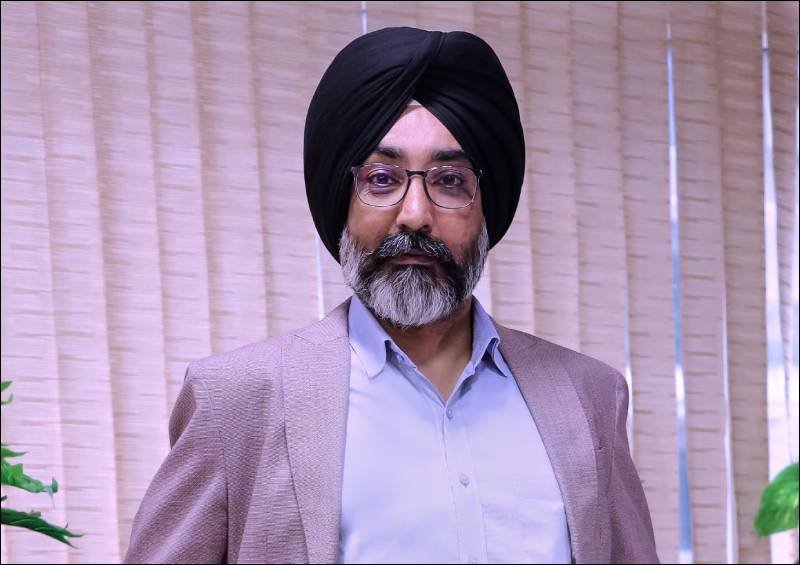
Traceability has become a business necessity for the textile industry as brands, regulators and consumers demand greater transparency, avers Manmohan Singh in this exclusive interview with Textile Insights Livaeco Lyocell is described as a third-generation man-made cellulosic fibre. What sets it apart from viscose and modal in terms of technology and performance? Livaeco
New report showcases initiatives across Europe covering textile waste, repair, decarbonisation, digital manufacturing and technical textiles Ten initiatives from across Europe’s textile value chain have been highlighted as best practices for advancing circularity, sustainability and resilience in the latest edition of the EU Textiles Ecosystem Platform report. The
Parkdale Inc. has acquired full ownership of CiCLO technology through its subsidiary Parkdale Advanced Materials, Inc., expanding its advanced polymer and fibre portfolio and opening opportunities across new textile and industrial applications. The acquisition is expected to strengthen the development and commercialisation of CiCLO, a biodegradable textile technology
Global Standards has launched the Global Responsible Textile Standard (GRTS), a new textile processing standard covering a wider range of fibres, including plant, animal, synthetic, man-made cellulosic and recycled fibres. Developed using experience from the established Global Organic Textile Standard (GOTS), GRTS provides a certification route for textile products made
Ralph Lauren Corporation has reported a 42% reduction in absolute greenhouse gas emissions from its FY20 base year as the company completed the first year of its Timeless by Design 2030 global citizenship and sustainability strategy. The US fashion and lifestyle company said it made progress across four key areas – industry collaboration, natural resource […]
Textile Exchange has released new guidance and tools to help organisations understand and implement the human rights and livelihoods requirements of its forthcoming Materials Matter Standard. The standard will become effective on December 31, 2026, and mandatory from December 31, 2027. It establishes requirements aimed at protecting human and labour rights across raw
Shruti Singh, Country Director, Canopy, believes India has the agricultural resources, manufacturing capabilities and innovation ecosystem to become a global hub for next-generation fibres. At the heart of this opportunity is a simple but transformative idea: turning agricultural residues such as wheat straw into commercially viable textile fibres. If someone were to place
From Textile Waste to Engineered Materials: A Circular Opportunity for India Waste → Fibre → Material → Value India’s textile industry is entering a new phase in its sustainability journey. The challenge is no longer limited to managing production waste; it is how to deal with the growing volume of heterogeneous textile waste generated across […]
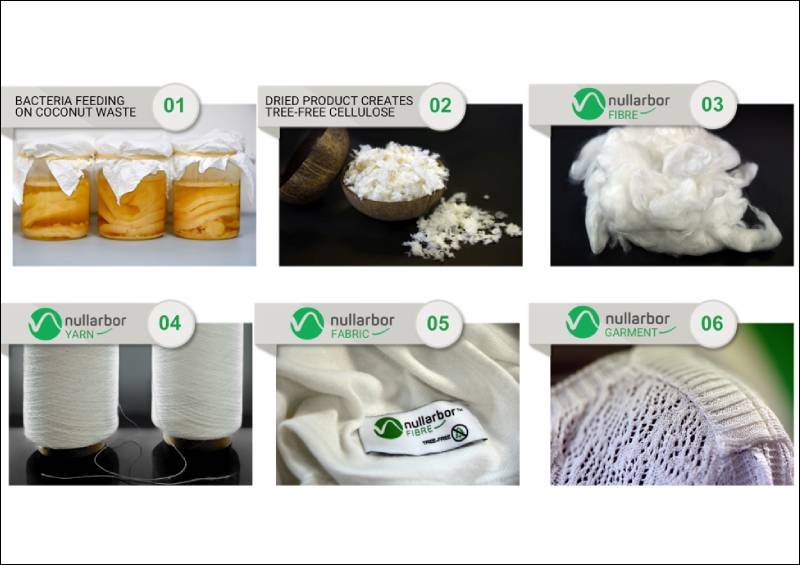
Australian biomaterials company Nanollose Ltd has developed a wearable garment made using its Tree-Free Viscose fibre, Nullarbor, produced from sustainable coconut waste. The sweater marks a development in the search for alternatives to conventional viscose and cotton, both of which have significant environmental impacts. Nanollose said its fibre was produced by using