
Parkdale Acquires Full Ownership Of CiCLO Technology
Parkdale Inc. has acquired full ownership of CiCLO technology through its subsidiary Parkdale Advanced Materials, Inc., expanding its advanced polymer and fibre portfolio and opening opportunities across new textile and industrial applications.
The acquisition is expected to strengthen the development and commercialisation of CiCLO, a biodegradable textile technology designed to reduce the persistence of microplastic fibres in the environment.
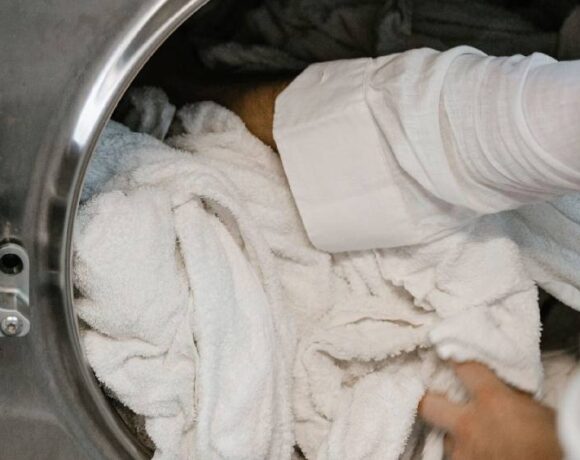
CiCLO technology is currently used in apparel, home and hospitality textiles. Parkdale plans to expand its applications into adjacent markets, including nonwovens, hygiene products, geotextiles, filtration, insulation and furnishings.

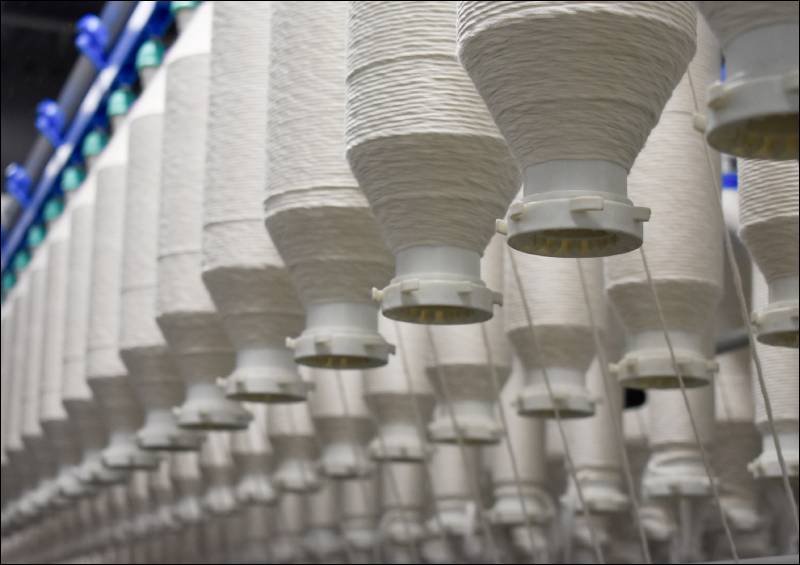
The technology is incorporated into polyester and nylon during fibre manufacturing. It creates pathways within the polymer that allow naturally occurring microorganisms to break down the material in biologically active environments.
According to Parkdale, CiCLO has been tested using ASTM and ISO-standardised methods across seawater, soil, wastewater sludge and biologically active landfill conditions. The technology is designed to retain key fibre properties, including manufacturing performance, dyeability, durability and recyclability.
CiCLO polymers can be used with virgin, recycled and bio-based feedstocks, as well as textile-to-textile recycled materials and natural-fibre blends.
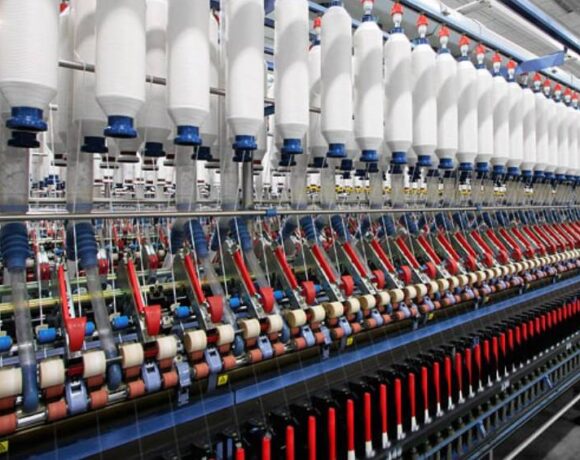
Parkdale said its manufacturing infrastructure, technical expertise and R&D capabilities will support the expansion of CiCLO from traditional textile applications into new markets where synthetic fibres are widely used.
Davis Warlick, Chief Operating Officer, Parkdale, said the company will focus on further investment in the technology, developing new applications with customers and expanding adoption across markets.
Cheryl Smyre, Vice President, Parkdale Advanced Materials, said the company aims to extend CiCLO technology beyond conventional textile applications to address microplastic pollution across a wider range of synthetic fibre-based industries.