
UK-Vietnam Trade Pact Boosts Textile Exports, But Compliance Remains Hurdle
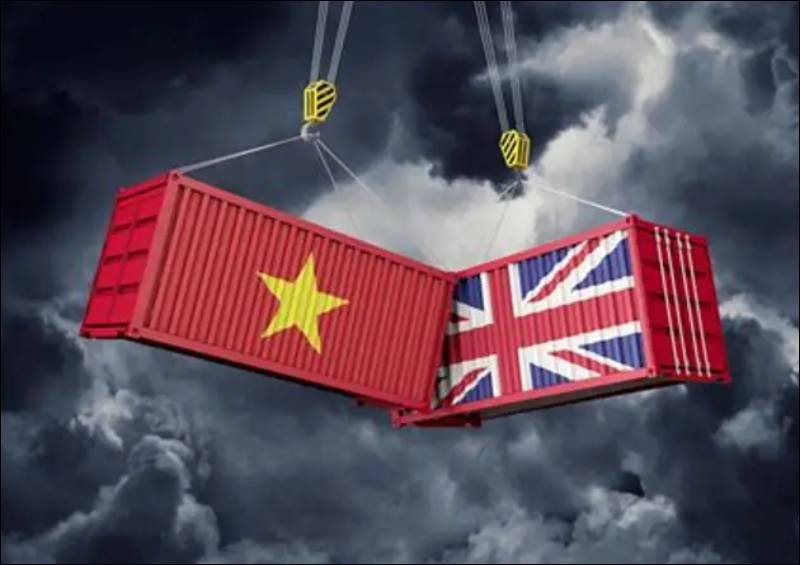
Vietnam’s textile and garment exports to the UK have gained momentum under the UK-Vietnam Free Trade Agreement (UKVFTA), but exporters will need to strengthen supply chains and meet tougher sustainability and traceability norms to expand their market share.
The UK’s share of Vietnam’s textile and garment exports increased from 1.7% in 2020 to 2% last year, according to the Vietnam Textile and Apparel Association (VITAS). Under the UKVFTA, 42.5% of tariff lines were eliminated from January 2021, with the remaining duties being phased out over two, four or six years.
The outlook remains favourable as the UK economy stabilises and easing inflation could support consumer spending. Supply-chain diversification by UK importers is also creating opportunities for Vietnamese manufacturers.

However, Vietnam’s presence in the UK market remains relatively small, despite annual UK textile and garment imports of around US$ 20 billion. A major challenge is the agreement’s two-stage rule of origin, which generally requires both fabric production and garment manufacturing to take place in Vietnam or the UK to qualify for preferential tariffs.
Vietnam’s reliance on imported fabrics remains high, with fabric imports rising from US$ 11.9 billion in 2020 to about US$ 15 billion last year.
Exporters are also facing stricter requirements on environmental performance, emissions, labour standards, traceability and supply-chain transparency. VITAS chairman Vũ Đức Giang said companies increasingly need robust management systems and digital tools to demonstrate compliance.