
Uzbekistan, China Deepen Textile Cooperation With Focus On Investment And Technology
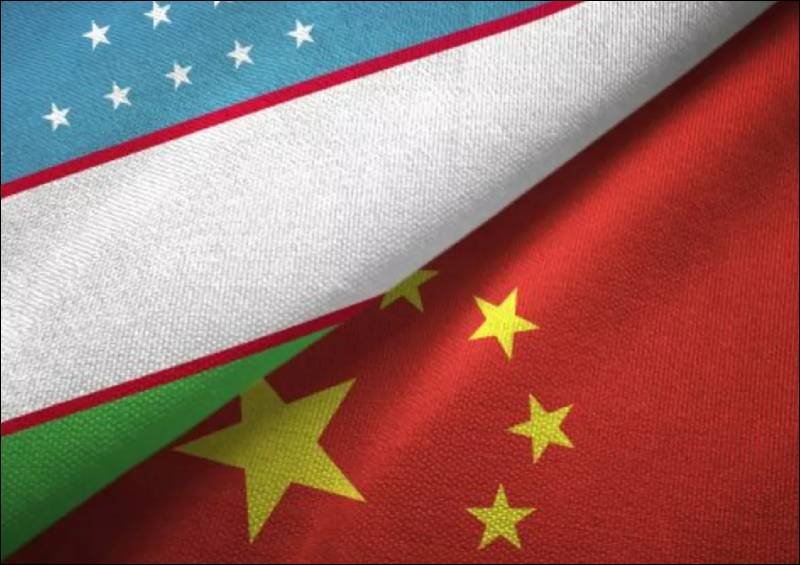
New partnerships target raw materials, joint manufacturing, technology transfer and export markets
Uzbekistan and China are set to strengthen cooperation in the textile industry, with discussions focusing on raw material supplies, technology transfer, investment, joint manufacturing and access to international markets.
The discussions were held in Aral, Xinjiang, during the Xinjiang–Aral Textile Raw Materials Summit and the 20th Cotton and Textile Industry Forum, organised with participation from Uzbekistan’s Uztextileprom Association. Around 300 representatives from the cotton and textile sectors attended the events, including Uzbek manufacturers, industry associations and a delegation from Uzbekistan, alongside leading Chinese textile companies.

The participants reviewed developments in the global cotton and textile markets, changing raw material requirements, investment opportunities and the creation of integrated production chains. Expanding access to international markets was also identified as a key area for cooperation.
Focus on Raw Materials and Technology
Business-to-business discussions explored opportunities for Uzbek textile companies to source synthetic and chemical fibres from Chinese suppliers, including polyester, viscose and lyocell. The companies also examined potential cooperation in blended-fabric production, dyeing and finishing, factory automation and other advanced manufacturing technologies.
Chinese companies expressed interest in establishing production operations and placing manufacturing orders with enterprises in Uzbekistan. Discussions also covered the possibility of developing joint production facilities aimed at supplying markets across Central Asia, the Commonwealth of Independent States (CIS) and the European Union.
Chinese partners are also considering Uzbekistan as a regional manufacturing and trading hub, leveraging the country’s location and established textile base. While the discussions identified several potential projects, no specific investment amounts or project timelines were disclosed.
Skills Development and Design Cooperation
Human capital development emerged as another area of potential collaboration. Uztextileprom and Chinese industry partners agreed to explore cooperation in training and professional development, particularly for designers and fashion professionals.
The initiative is expected to support the development of local design capabilities while strengthening Uzbekistan’s ability to move towards higher-value textile and apparel production.
Following the meetings, the two sides outlined further cooperation in investment, industrial partnerships, technology, raw materials, skills development and exports.
The proposed initiatives are expected to strengthen Uzbekistan-China industrial ties and help Uzbek textile manufacturers expand their production capabilities, integrate more deeply into international supply chains and access new export markets.