
Uzbekistan’s Textile Exports Rise 28% To US$2.4 Billion
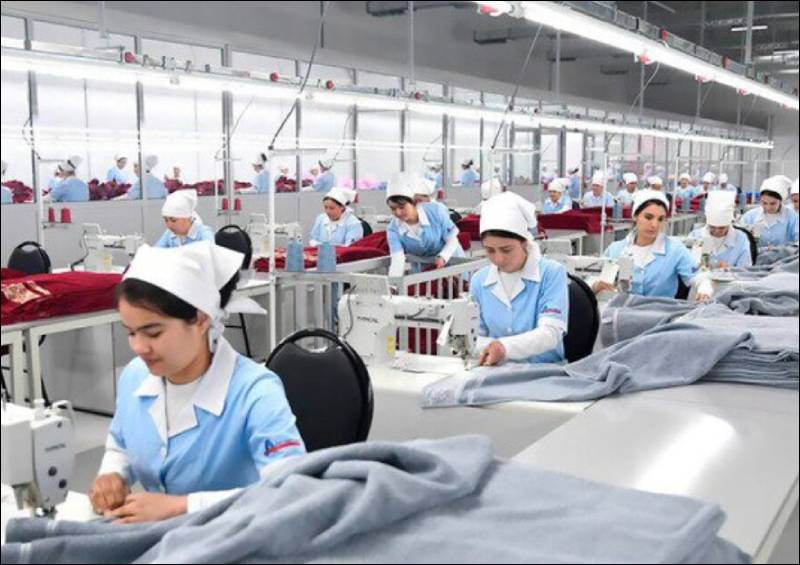
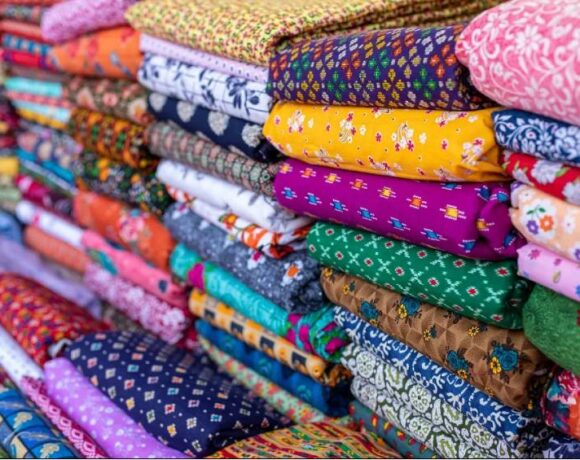
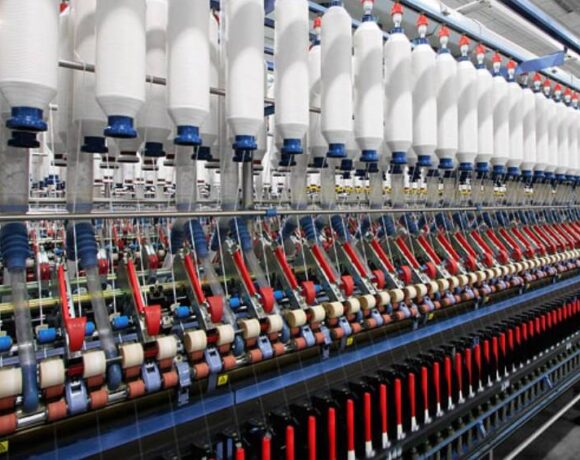
Uzbekistan’s textile exports rose 28.1% year on year to US$2.4 billion in January–September 2026, according to the National Statistics Committee. Finished textile products accounted for 50.8% of shipments and yarn for 33%. The country aims to process all domestically produced yarn at home by 2030.
Investment Shifts to Fabric and Finishing
The sector attracted about US$2.5 billion in investment between January and July 2026, according to the Agency for the Development of Light Industry. During that period, 263 projects were launched, creating around 19,000 jobs. A further 146 projects worth US$876 million were scheduled for completion by year-end, with a US$5.6 billion project pipeline identified for 2027.
New investments include fabric and towel production at Art-Men Teks in Namangan, knitting and dyeing facilities at Sulton Tex Group in Kashkadarya, and woven fabric capacity at Olot Asaka Tekstil in Bukhara.

New Markets and Sourcing Ties
Uzbekistan entered seven new export markets in the first nine months of 2026, including Sudan, Croatia and Argentina. An October government briefing reported cooperation with 20 new international brands, including H&M and LPP. The government has set a 2026 textile export target of US$4 billion, including US$700 million through e-commerce.
The country is also seeking to extend Better Cotton certification to more independent farms. Its efforts to rebuild sourcing ties follow labour reforms and the end of the international boycott of Uzbek cotton after the International Labour Organization found that systemic forced and child labour had been eliminated from the 2021 harvest.
Financial Support for Exporters
A presidential resolution adopted on 26 November extends loan principal repayment periods by 36 months and provides partial interest relief. It also allows exporters up to 365 days to receive payments until January 2028 and extends customs duty exemptions on eligible production imports until January 2030. The government aims to mobilise 11 trillion soums in working capital and preserve more than 110,000 jobs.