
DITF Opens Textile Recycling Research Centre In Denkendorf
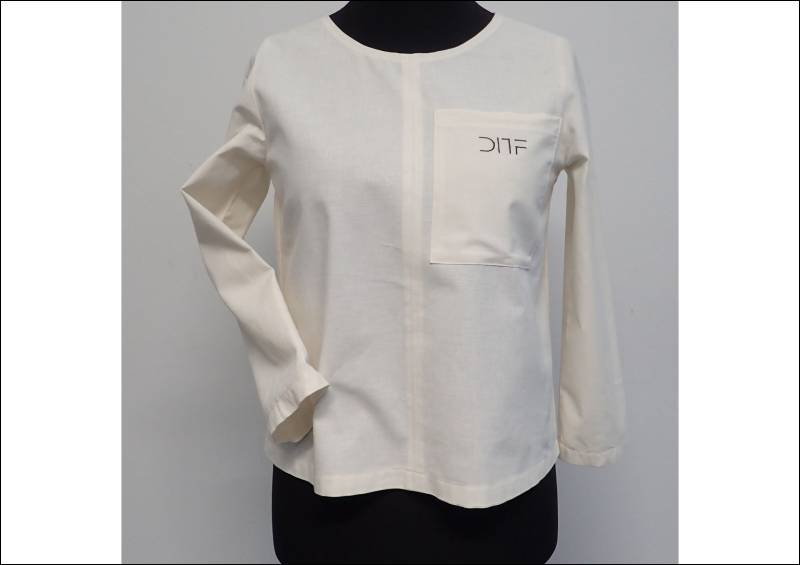
The German Institutes of Textile and Fiber Research Denkendorf (DITF) has established the CYCLOTEXUM recycling centre to develop mechanical and solvent-based textile recycling processes with industry partners. The centre builds on a seven-and-a-half-month research project funded by Baden-Württemberg’s Ministry for the Environment, Climate and Energy Sector.
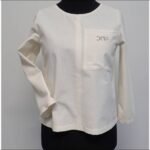
In the mechanical recycling trials, researchers assessed fibres recovered by tearing textile waste and developed a method to estimate industrial processing behaviour using small laboratory samples. The team used its pilot process chain to turn production waste into a woven blouse made entirely from recycled fibres. It also developed spinning mill models to assess material flows, production costs and environmental impacts.
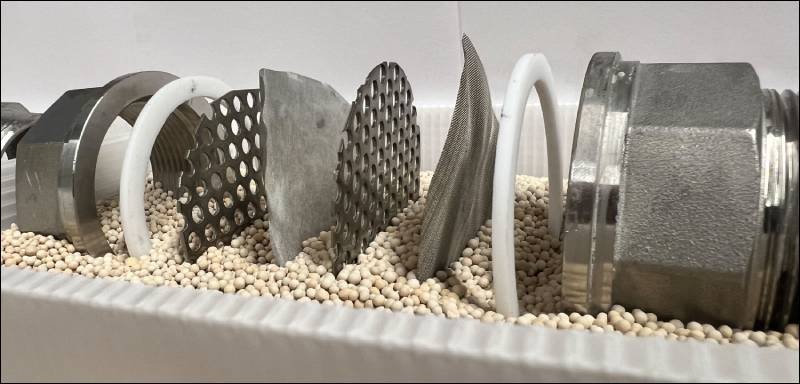
Structure of a laboratory filter cartridge (Module B).
DITF reported that high-quality recycled fibres produced yarns at costs comparable to those made from virgin raw materials, with lower CO₂ emissions in the configurations assessed. Lower-quality fibres led to weaker yarn quality, higher waste rates, more frequent production interruptions and greater staffing requirements.

A parallel study tested sulfolane and gamma-valerolactone as solvents for recycling flame-retardant PET. DITF reported that both solvents enabled complete separation of the flame retardant from the base polymer in virgin material, production waste and post-consumer waste. The team also demonstrated filtration of post-consumer material in a five-litre reactor using gamma-valerolactone.
The centre’s laboratory and pilot-scale facilities will support further research and industrial trials, including on PET-cotton blends and elastane separation. Potential applications span apparel, home textiles, nonwovens and technical textiles.