TAI Mumbai’s Textiles 2030 Conference Focuses On The Future Of Textiles
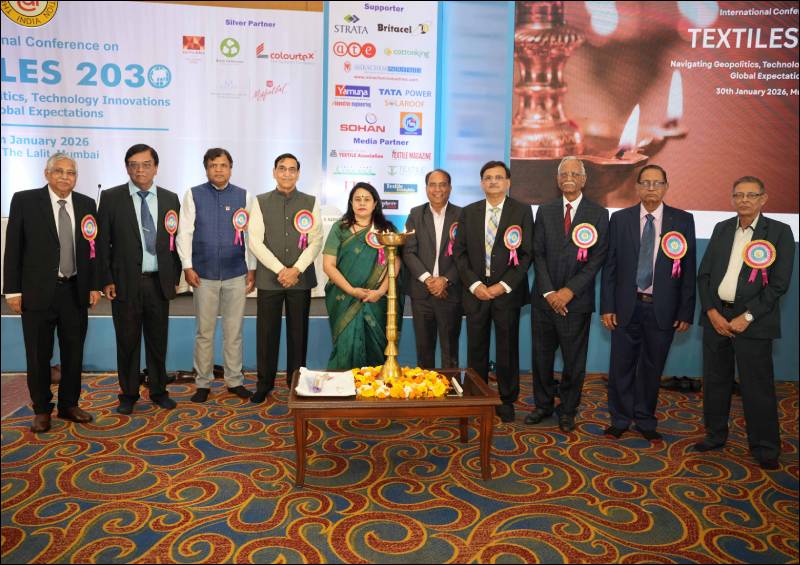
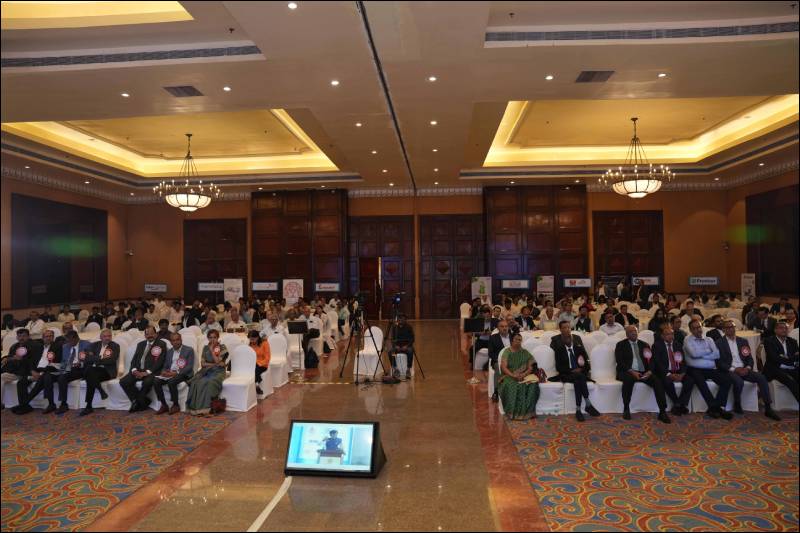
The Indian textile and apparel industry stands at a defining moment, shaped as much by geopolitics and regulatory pressures as by technology and shifting consumer expectations. These themes formed the core of the International Conference titled ‘Textiles 2030 – Navigating Geopolitics, Technology Innovations and Global Expectations,’ organized by the Textile Association (India), Mumbai unit, at The Lalit, Mumbai. The event drew a strong response, bringing together more than 300 delegates from across the textile value chain, including manufacturers, exporters, technologists, policymakers and academicians.
Opening the conference, V. C. Gupte, Chairman of the Textile Association (India), Mumbai unit, emphasized that the global textile sector is entering a period of profound transition. Rapid technological change, evolving sustainability norms and shifting trade dynamics are redefining the competitive landscape. He pointed to recently concluded free trade agreements, including the India–EU pact, as potential catalysts for export growth, while urging the industry to move toward higher value-added products and to strengthen awareness of increasingly stringent ESG regulations.
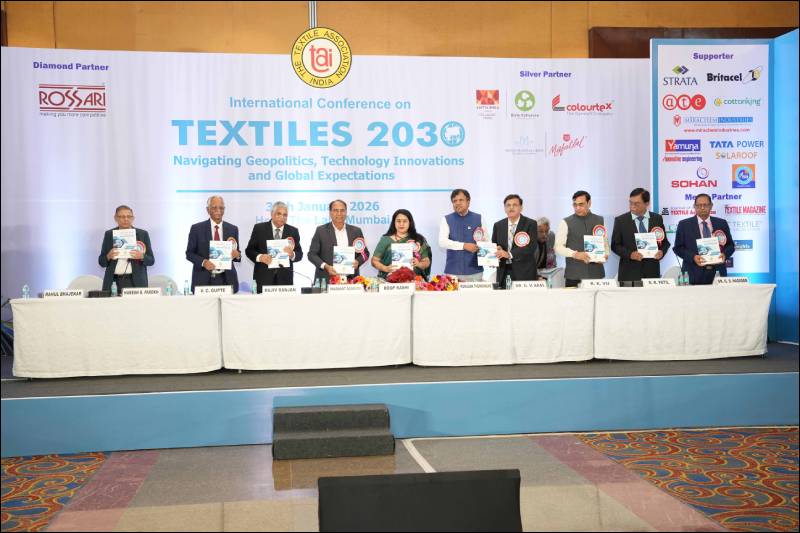
Rajiv Ranjan, President of the Mumbai unit, reinforced this perspective in his presidential address, noting that factors such as geopolitical alignment, sustainability compliance and digital capability are now as critical as cost competitiveness. While domestic demand remains resilient, he observed that exporters continue to face pressures from global economic uncertainty and rising compliance requirements. The path forward, he stressed, lies in combining efficiency with innovation, branding and sustainability. Textiles 2030, he remarked, should be viewed not merely as a timeline but as a mindset, one that embraces automation, artificial intelligence, circularity and closer collaboration between industry, academia and government.
The conference keynote by Prashant Agarwal, Co-Founder and Joint Managing Director of Wazir Advisors, offered a broad strategic lens on the decade ahead. He highlighted how geopolitical shifts, regulatory frameworks and changing consumer expectations are reshaping global supply chains. India, he noted, is well-positioned to play a larger role in the international textile value chain, provided enterprises align their long-term strategies with sustainability-driven market requirements and emerging opportunities.

Addressing the gathering as Chief Guest, Roop Rashi, CEO of the Khadi and Village Industries Commission, highlighted the need for the textile sector to align with global expectations while strengthening India’s position in international markets. She commended the conference for providing a platform that fostered dialogue, knowledge sharing and forward-looking strategy.

The conference also celebrated industry achievements through its awards ceremony. The Lifetime Achievement Award was presented to Amrishbhai Patel in recognition of his long-standing contributions to industry and education, while the Industrial Excellence Award was jointly conferred on Edward Menezes, Executive Chairman and Sunil Chari, Managing Director, Rossari Biotech Ltd., for their significant role in advancing innovation and growth in the textile chemicals sector.
Technical sessions highlighted the industry’s accelerating shift toward innovation and responsible manufacturing. Birla Cellulose presented advances in next-generation fibres, while Rossari Biotech discussed green surfactants and biosurfactants derived from renewable sources, reflecting rising demand for low-toxicity, biodegradable processing solutions.
Recycling and circularity emerged as key themes, with Oerlikon Textile India and Perfect Engineering outlining technologies for PET and textile waste recovery and Tata Power Renewable Energy emphasizing the growing importance of renewable energy integration in textile operations.
Speakers also examined the expanding scope of ESG and regulatory compliance, particularly in Europe, stressing the need for traceability, credible sustainability data and preparedness for frameworks such as the Digital Product Passport. Industry case studies reinforced that well-structured ESG strategies can strengthen resilience and long-term growth.
A notable highlight was the all-women panel discussion on ‘Women Leadership Driving a Change in the Textile & Apparel Sector’, moderated by Neha Gupta, which explored leadership journeys, workplace inclusion and the rising role of women in shaping innovation and sustainability across the industry.
As discussions concluded, a clear message emerged: the road to 2030 will demand agility, collaboration and a willingness to rethink traditional business models. The textile industry faces significant challenges from regulatory complexity to shifting trade patterns, but it also has unprecedented opportunities to innovate, expand and lead.