
Coal Surge Forces 15% Jobwork Hike In Surat MMF Cluster
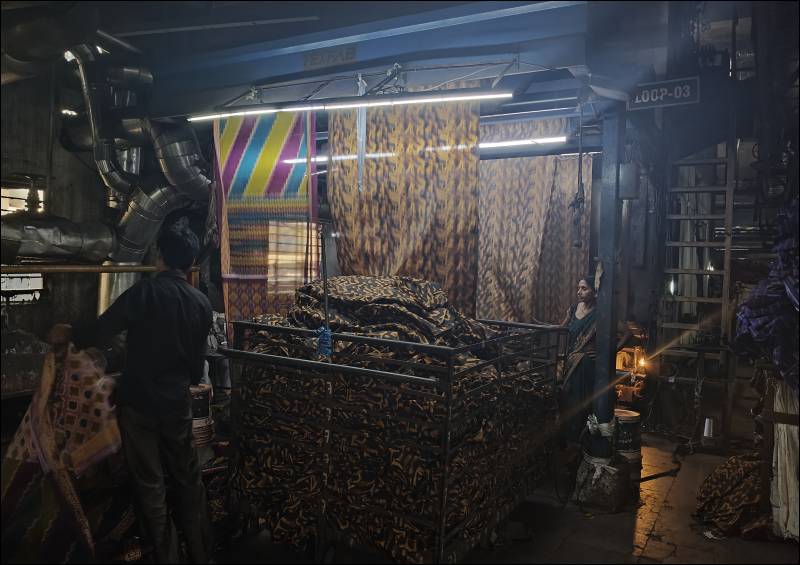
The escalating tensions between Iran, Israel and the United States have begun to impact India’s textile sector, with Surat’s man-made fibre (MMF) industry facing a sharp rise in coal and freight costs. Dyeing and printing mills across Surat and south Gujarat have announced a 15 percent increase in jobwork charges, expected to take effect after the Holi–Dhuleti festival.
With nearly 400 to 450 processing units operating in the region, the increase is expected to ripple across the textile value chain, affecting sarees, dress materials and other MMF-based fabrics supplied to markets nationwide.
Imported coal prices have reportedly surged by nearly 25 percent within days, with rates rising by Rs 800 to Rs 1,200 per tonne. Freight charges have also increased by US$ 8 per tonne, adding further pressure on operational costs. Each processing mill in Surat consumes approximately 40 to 50 tonnes of coal per day for dyeing and printing, making energy a significant component of overall expenses.

Industry sources indicate that most of Surat’s coal is imported from Indonesia. Although Indonesia is not directly involved in the conflict, fears of global supply disruptions have led to price volatility. Concerns have also been raised within the industry over possible artificial price escalation amid limited importer presence in the local market.
A formal meeting of industry members is scheduled after Dhuleti to finalise the revised rates, which are expected to come into effect next week. The proposed 15 percent hike in processing charges per metre is likely to push up the prices of MMF-based textile products, with retailers and consumers expected to feel the impact in the coming weeks.