Kazakhstan Partners With China For US$ 360 Million Integrated Cotton-Textile Cluster

Kazakhstan is accelerating efforts to build a self-reliant textile industry through a new $360 million partnership with Chinese textile major Xinjiang Lihua. The project aims to establish a vertically integrated cotton-textile cluster in southern Kazakhstan, strengthening domestic manufacturing capabilities while reducing dependence on textile imports.
The initiative was discussed during a meeting between Kassym-Jomart Tokayev and Zhang Qihai. The proposed cluster will integrate the complete textile value chain, covering cotton cultivation, fibre processing, textile production, garment manufacturing and nonwoven materials under a unified industrial ecosystem.
As part of the first phase, two cotton-processing facilities have already been commissioned. The project will subsequently expand into home textiles, apparel and nonwoven manufacturing, segments witnessing growing domestic and international demand.

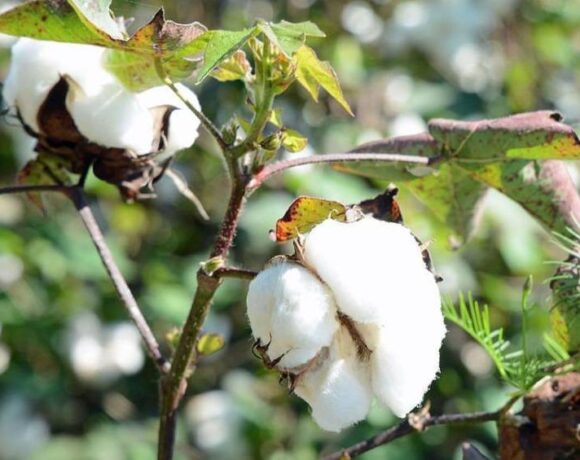
The initiative also includes a significant expansion of cotton farming, with cultivation expected to cover nearly 52,000 hectares. Authorities plan to deploy advanced agricultural technologies, including drip irrigation and digital monitoring systems, to improve water efficiency, productivity and sustainability.
President Tokayev emphasised the strategic importance of the project in driving both industrial and agricultural development. He highlighted the role of smart manufacturing technologies, including artificial intelligence, in improving operational efficiency and resource management. Skill development and workforce training are also expected to play a central role in supporting the emerging textile ecosystem.
The first phase of the project is projected to generate over 4,000 jobs, supporting regional economic development and strengthening Kazakhstan’s industrial diversification strategy beyond oil and gas.
Industry observers view the project as part of a broader shift among emerging economies toward vertically integrated textile manufacturing models aimed at enhancing supply chain resilience and increasing value addition within domestic markets.
The collaboration further reflects expanding economic and industrial ties between Central Asia and China. Leveraging China’s expertise in textile manufacturing and technology integration, the project is expected to bring significant technical know-how and investment into Kazakhstan’s growing textile sector.
Once operational, the integrated cotton-textile cluster is expected to strengthen Kazakhstan’s export potential while positioning the country as an emerging textile and apparel manufacturing hub in the region.