Tariffs And Fuel Costs Weigh On U.S. Import Volumes: NRF Report
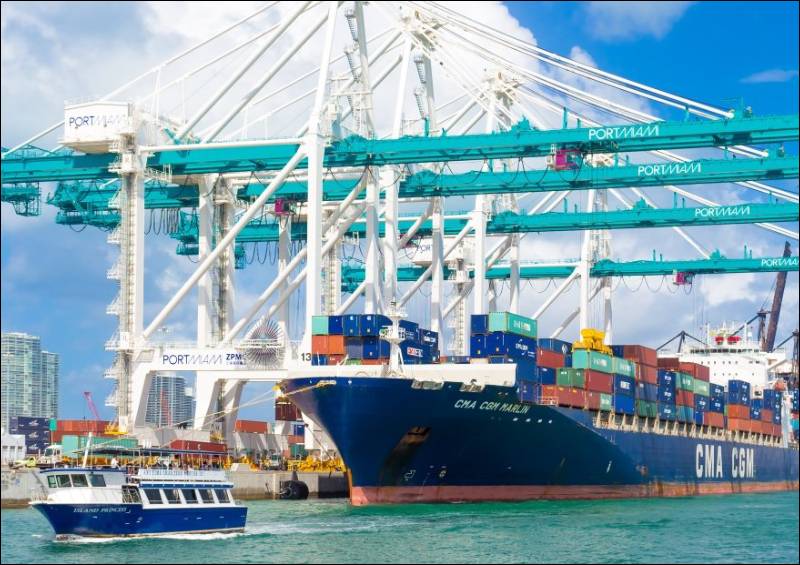
Rising tariffs and increasing fuel prices are emerging as key headwinds for U.S. import volumes, even as geopolitical tensions in the Middle East show limited direct impact on cargo flows, according to the latest Global Port Tracker report by the National Retail Federation and Hackett Associates.
While the ongoing tensions around Iran have not significantly disrupted container volumes into the U.S., they are contributing to higher global fuel costs, raising shipping expenses and potentially adding to inflationary pressures.
“Supply chains are global, and disruptions anywhere can have ripple effects from vessel rerouting to higher fuel and transportation costs,” said Jonathan Gold, Vice President for Supply Chain and Customs Policy at NRF. He added that retailers continue to face uncertainty from evolving trade policies and rising tariffs, which are putting downward pressure on imports and upward pressure on prices.

Policy changes under Donald Trump, including a temporary 10% global tariff and revised Section 232 duties on metals and new categories such as pharmaceuticals, have further dampened import momentum.
According to Ben Hackett, U.S. import volumes are being more directly affected by tariffs than by the Middle East situation, as relatively little cargo originates from the region. However, disruptions in key routes such as the Strait of Hormuz are pushing up fuel prices globally, impacting shipping costs and consumer prices alike.
U.S. ports handled 1.95 million TEU in February, down 7.5% month-on-month and 4.2% year-on-year, reflecting seasonal slowdowns linked to Lunar New Year factory closures in Asia. Volumes are projected to remain under pressure in the coming months, with March estimated at 1.97 million TEU (-8.3% YoY) and April at 2.08 million TEU (-5.6% YoY).
Total imports for the first half of 2026 are forecast at 12.3 million TEU, down 1.8% compared to the same period last year. Despite some recovery expected in May and June, overall volumes are likely to remain below 2025 levels.
The report highlights that while operational disruptions remain limited, rising costs and policy uncertainty continue to challenge global trade flows and retail supply chains.