Hormuz Disruption To Pressure GCC Chemical Exports & Margins: S&P
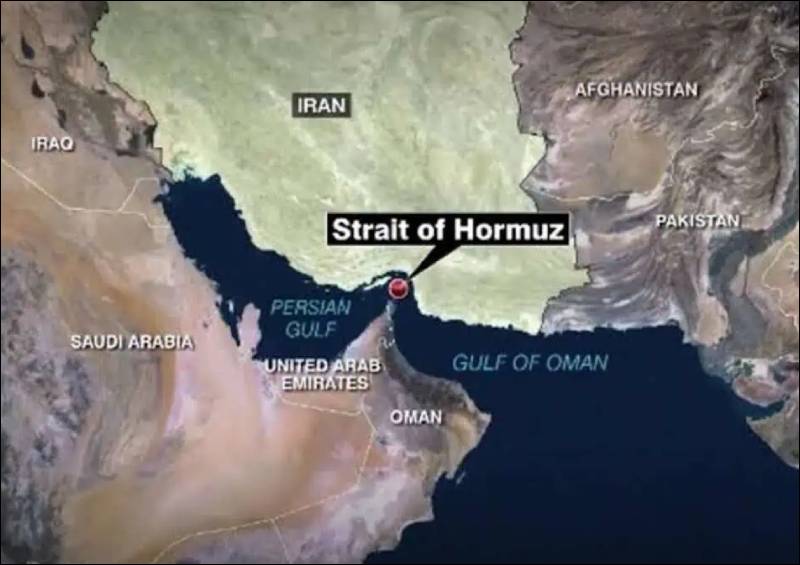
Partial easing of the disruption in the Strait of Hormuz is expected during April, but lingering constraints could continue to impact global trade flows and downstream sectors across the GCC for months, according to S&P Global Ratings.
The agency noted that the extent of the impact on Middle East chemical producers will largely depend on the duration of the conflict and how long shipping through the Strait remains constrained. While supply disruptions have pushed up spot prices for fertilisers and petrochemicals, these gains are unlikely to offset declining export volumes and tightening inventories, potentially leading to margin erosion and increased leverage.
S&P estimates that a significant share of global exports could be affected, including 47% of sulphur, 35% of urea, 26% of diammonium phosphate (DAP) and 24% of ammonia. The region also accounts for roughly a quarter of global polyethylene and polypropylene exports, highlighting the scale of potential disruption.

Companies most reliant on Hormuz-linked export routes are expected to face the greatest pressure, with declining output flows from production hubs in the Arabian Gulf likely to weigh on global supply.
The report highlighted that GCC-based producers such as Fertiglobe, Saudi Basic Industries Corporation, Industries Qatar, Equate Petrochemical Company, and Borouge could see a moderately negative impact. However, most are considered to have sufficient financial buffers to withstand short-term disruptions.
S&P cautioned that prolonged instability or escalation, including potential damage to production assets, could further weaken credit metrics and narrow rating headroom across the sector.