
CITI Urges Inclusion Of Spinning In TEEM To Boost Competitiveness
The Confederation of Indian Textile Industry (CITI) has urged the government to bring the spinning segment under the ambit of the Textile Expansion and Employment Mission (TEEM), arguing that such a move is essential to strengthen India’s competitiveness in global textile markets.
CITI Chairman Ashwin Chandran emphasised that the industry’s growth ambitions hinge on balanced development across the entire value chain—from fibre to finished products. He noted that aligning upstream segments like spinning with downstream expansion in weaving, processing, and garmenting is critical for achieving the government’s target of building a USD 350 billion textile and apparel industry, including USD 100 billion in exports, by 2030.
The TEEM initiative, announced in the Union Budget by Finance Minister Nirmala Sitharaman, is designed to modernise textile clusters by supporting investments in advanced machinery, technology upgrades, and testing infrastructure. While the mission is expected to accelerate growth in value-added segments, CITI has cautioned that excluding spinning could create structural imbalances within the sector.

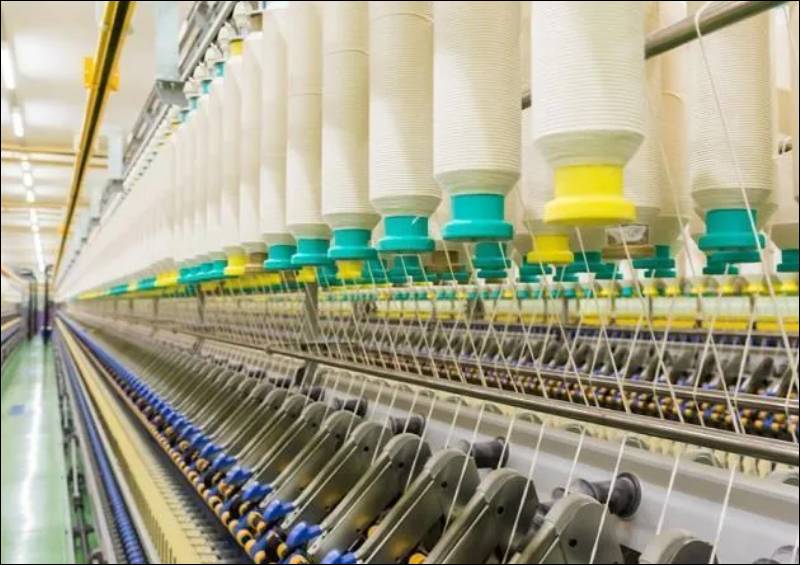
According to the industry body, the absence of parallel modernisation in spinning may result in supply bottlenecks, increased reliance on imports, and lower domestic value addition. Industry estimates indicate that nearly 25 per cent of India’s spindle capacity is currently idle, largely due to outdated machinery, high energy consumption, and suboptimal productivity levels.
A recent report commissioned by CITI further highlights the gap in modernisation. Only 26 per cent of India’s spindles are considered modern, trailing the global average of 33 per cent and lagging behind key competitors such as China and Vietnam, where modern spindle penetration stands at 40 per cent and 38 per cent, respectively.
CITI underscored the economic benefits of upgrading spinning infrastructure. The cost of producing yarn in a modern mill is estimated at around ₹1.2 per count per kilogram, compared with approximately ₹1.8 in older facilities. Modernisation can deliver productivity gains of up to 25 per cent, improve product quality by 20 per cent, reduce power consumption by 15 per cent, and enhance raw material realisation by 1.5 per cent.
The call for policy support comes at a time when India’s textile and apparel exports have shown signs of stress, declining by 2.21 per cent year-on-year in FY26 in dollar terms, underlining the urgency for comprehensive sectoral reforms.