Bangladesh Plans Revival Of Closed Textile And Jute Mills
The Bangladesh government has initiated efforts to revive hundreds of closed textile, garment and jute factories as the country’s industrial sector continues to struggle with mounting economic and operational challenges.
According to reports, Prime Minister Tarique Rahman recently held discussions with officials from the Textiles and Jute Ministry regarding plans to reopen shuttered manufacturing units, particularly in the textile and jute sectors.
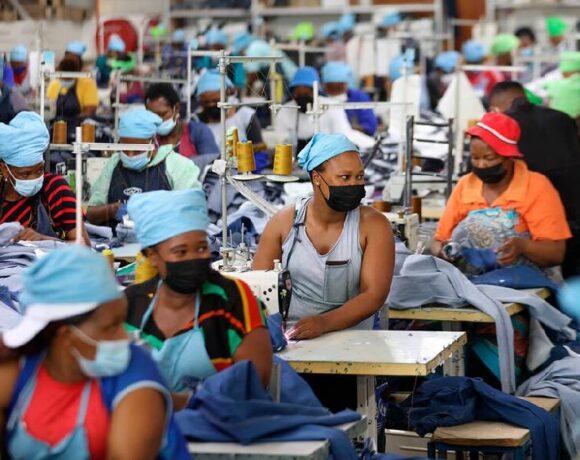
The move comes at a crucial time for Bangladesh’s textile and apparel industry, where nearly 400 garment factories and around 60 textile spinning and dyeing mills are reported to be either partially or fully closed. Over the past 14 months alone, more than 300 garment units have ceased operations, particularly in major industrial hubs such as Gazipur, Savar and Ashulia, affecting the livelihoods of thousands of workers.

Industry observers attribute the closures to multiple factors, including political instability following the change in government in August 2024, rising energy costs, labour unrest and weakening export demand. Several garment factories reportedly shut down due to their owners’ political affiliations with the previous administration.
The ongoing energy crisis, further intensified by geopolitical tensions in the Middle East, has significantly increased production costs and disrupted manufacturing operations across the textile value chain. At the same time, global demand uncertainties and trade pressures, including higher US tariffs on imports, have adversely impacted export orders from Bangladesh.
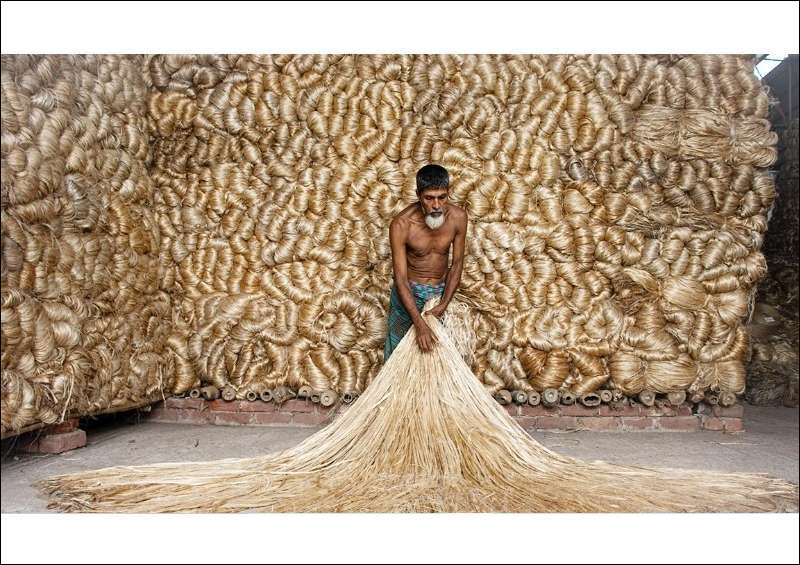
The government is also focusing on reviving the country’s struggling jute industry. In 2020, all 25 state-owned jute mills operated under the Bangladesh Jute Mills Corporation were shut down due to persistent financial losses and operational inefficiencies. Although the closures were initially positioned as part of a modernization and restructuring exercise, most mills have remained idle since then.
State Minister for Textiles and Jute Shariful Alam has reportedly indicated that the government plans to reopen several of these mills through Public-Private Partnership (PPP) models and long-term leasing arrangements to attract domestic and foreign investment.
Industry experts believe the revival initiative could help diversify Bangladesh’s industrial base and reduce overdependence on the ready-made garment sector. Modernization of the jute industry, supported by private investment and updated technology, could also create new export opportunities amid growing global interest in sustainable natural fibres.
However, analysts caution that reopening factories alone may not ensure long-term sustainability unless deeper structural issues such as inefficiency, governance challenges, outdated technology and labour concerns are addressed simultaneously.
The government’s latest initiative is being viewed as a positive step toward industrial recovery, though its long-term success will depend on effective policy implementation, transparent management practices and the ability to restore competitiveness across Bangladesh’s textile and jute sectors.