
Nigerian Senate Pushes For Revival Of Textile Industry In Kaduna–Kano Corridor

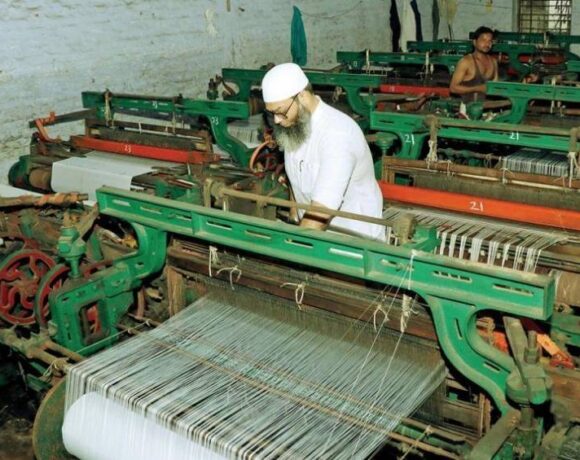
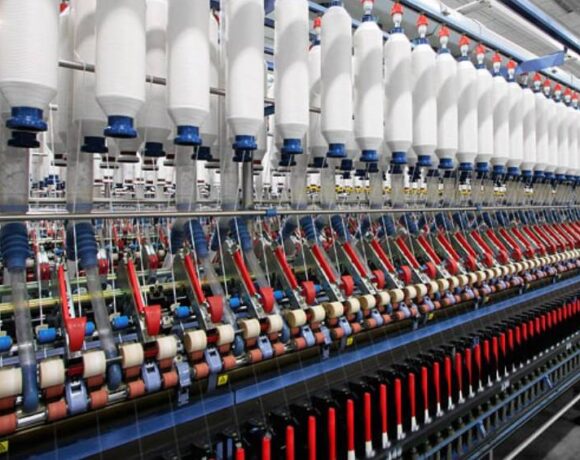
The Nigerian Senate has called on the Federal Government to urgently revive the country’s struggling textile industry, with a special focus on the historic Kaduna–Kano industrial belt.
The appeal followed a motion moved by Senator Katung Sanday Marshall of Kaduna South, and co-sponsored by five other lawmakers, highlighting the steep decline of a sector that was once a major driver of Nigeria’s industrial economy.
Lawmakers recalled that Nigeria’s first major textile mill was established in Kaduna in 1957, triggering decades of rapid industry expansion across the country. By the late 1970s and 1980s, the sector had grown to 167 textile mills, employing more than 500,000 people and becoming the second-largest employer after the public sector.

Kaduna, once known as the “Textile City,” hosted several leading mills and the headquarters of the Nigerian Textile Manufacturers Association. Companies such as Arewa Textiles, Finetex Nigeria, and United Nigeria Textiles were key industrial employers before the sector began its decline.
The Senate noted that by the late 1990s, many major factories, including KTL, Arewa Textiles, and UNIT, had collapsed due to outdated machinery, inadequate financing, and unreliable power supply. By 2007, most had ceased operations entirely, resulting in large-scale job losses and abandoned industrial facilities.
According to lawmakers, the industry—which once generated an estimated $2 billion annually and ranked as Africa’s third-largest textile producer—has since deteriorated significantly. Nigeria now relies heavily on imports to meet domestic demand, with an estimated 40% of textiles sourced from abroad.
The Senate also expressed concern over rising textile imports following the lifting of import restrictions in 2010, noting that nearly half of Nigeria’s textile market is now supplied by countries such as China, Indonesia, and Taiwan. Legislators warned that this trend continues to weaken local manufacturing and reduce foreign exchange earnings.
In its resolution, the Senate urged relevant ministries, including Trade and Investment and Agriculture, to prioritise policies aimed at rebuilding the textile value chain in Kaduna, Kano, and across Nigeria. Lawmakers emphasised that reviving the sector would create employment, boost industrial growth, and help address youth unemployment and related security challenges.