Strait Of Hormuz Reopening Eases Global Energy Supply Concerns
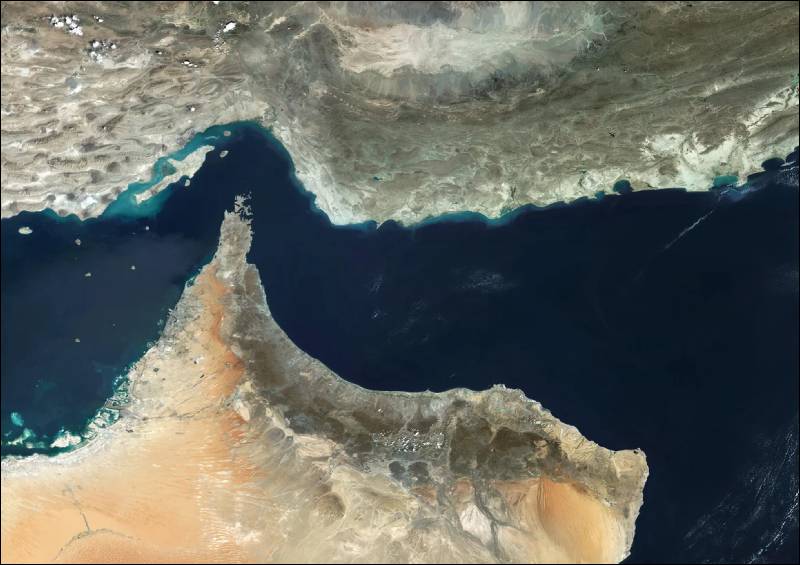
A potential breakthrough in the Strait of Hormuz dispute has raised hopes of easing global energy market pressures after weeks of disruption in one of the world’s most critical shipping routes.
According to regional media reports, including Al Arabiya, a tentative agreement has been reached to restore maritime movement through the Strait, following a period of heightened tensions that led to restricted vessel passage and volatility in global oil and gas supply chains.
The Strait of Hormuz, which handles nearly 20% of global oil and gas shipments, had faced disruption amid escalating geopolitical tensions involving Iran and Western powers. The situation intensified after military strikes and counter-escalations in the region, leading Iran to restrict maritime movement through the waterway.

In a recent development, Iran’s Islamic Revolutionary Guard Corps (IRGC) reportedly indicated that commercial shipping would be allowed to resume passage through the Strait, following signals of de-escalation and ongoing diplomatic engagement.
The move comes after comments from former U.S. President Donald Trump, who said he was temporarily pausing further escalation to allow space for negotiations with Iran. He had earlier warned of intensified action if restrictions on the waterway were not lifted.
The easing of restrictions is expected to reduce pressure on global energy prices, which had surged amid concerns over supply disruptions through the strategic chokepoint.
Analysts note that domestic political and economic pressures, including rising fuel prices in the United States and upcoming electoral cycles, have added urgency to diplomatic efforts. China’s economic interests have also been cited as a factor, given its reliance on stable energy flows through the region.
Reports suggest that negotiations between Washington and Tehran have made significant progress, with both sides moving closer to a potential broader understanding aimed at stabilizing maritime security and ensuring uninterrupted global energy transit.
While the situation remains fluid, the partial reopening of the Strait is being viewed as a positive step toward de-escalation in a region critical to global trade and energy security.