AERIS Reports Major Energy And CO2 Savings In Textile Sector
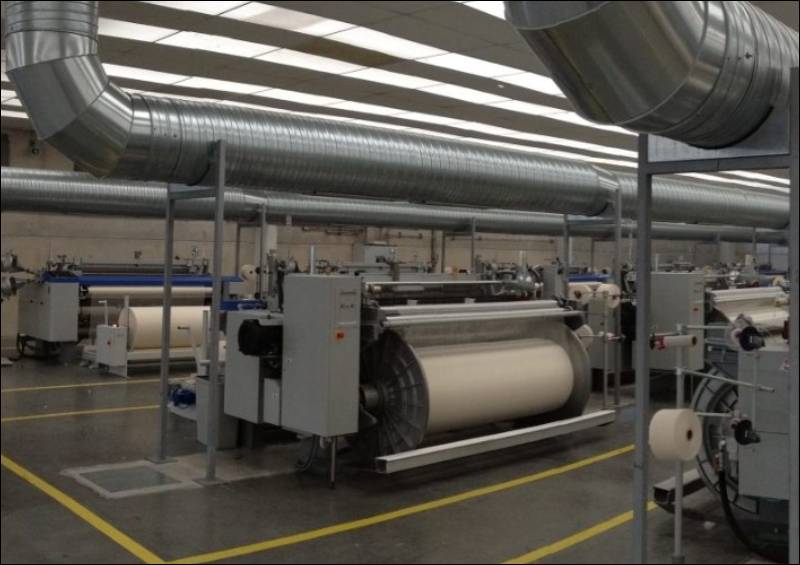
AERIS has released new findings highlighting the environmental and operational impact of energy efficiency upgrades implemented across textile manufacturing facilities over the past five years.
According to the company, targeted upgrades to existing air treatment and process systems in textile plants resulted in energy savings of approximately 47 million kWh and avoided nearly 15,500 tonnes of CO2 emissions.
The study focused on selected energy efficiency interventions designed to optimize existing infrastructure rather than replace it entirely. The upgrades included improvements in air treatment systems, optimization of thermo-hygrometric process conditions, and reduction of specific energy consumption per unit of production.

AERIS stated that the results demonstrate how operational efficiency improvements can generate measurable sustainability outcomes while improving overall production stability.
To illustrate the scale of the environmental impact, the company converted the results into broader sustainability equivalents based on average European benchmarks. The reported energy savings are equivalent to powering nearly 17,000 households for one year, avoiding the consumption of approximately 5.8 million litres of fossil fuel, and delivering a carbon reduction impact comparable to around 100,000 trees.
The company also estimated that nearly 47 GWh of energy consumption was avoided through the industrial process improvements.
According to AERIS, the analysis confirms that properly engineered energy efficiency upgrades can deliver structural reductions in energy use while generating long-term cumulative environmental benefits. The company emphasized that targeted modernization of existing systems offers a scalable and replicable pathway for textile manufacturers seeking to improve sustainability performance without large-scale infrastructure replacement.
AERIS added that the findings reinforce the growing role of operational efficiency as a strategic lever for industrial sustainability and decarbonization within the textile sector.