Sericulture Scheme Boosts Rural Livelihoods In Dhamtari
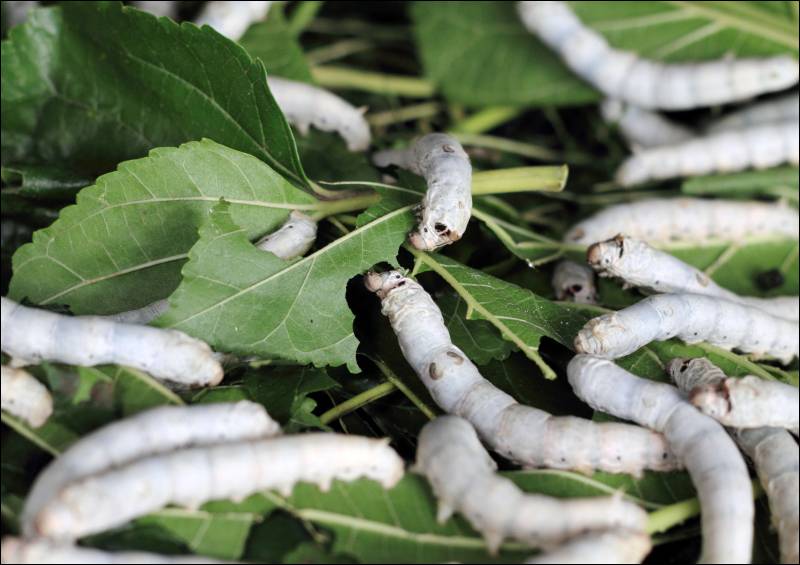
A government-backed sericulture initiative is transforming rural livelihoods in Dhamtari by creating new income opportunities for farmers and women through mulberry cultivation, cocoon production and silk yarn processing.
Under the Silkworm Scheme-2, implemented by the Government of Chhattisgarh, farmers in the district are increasingly adopting sericulture as an additional source of sustainable income alongside traditional agriculture. The initiative is also emerging as an important driver of women empowerment and rural self-reliance.
Currently, nearly 37 farmers in the district are actively engaged in silkworm farming under the scheme. Farmers with access to at least one acre of irrigated land are eligible to participate, with mulberry cultivation being carried out on a portion of their farmland to support cocoon production.

Officials associated with the programme state that farmers can earn an additional annual income ranging between Rs 5 lakh and Rs 6 lakh through cocoon production and related activities. Mulberry cultivation itself is also contributing supplementary earnings for rural households.
To encourage participation, the scheme provides significant financial assistance for infrastructure development and equipment. Subsidies are available for silk house construction as well as for reeling equipment and related materials. Mulberry plantation support is also being extended through a cost-sharing mechanism between the Central and State Governments.
The initiative is generating employment opportunities not only in farming but also in activities such as cocoon processing, yarn production and silk reeling. Rural women are playing an active role in these operations, enabling many households to create income opportunities from within their villages.
In addition to mulberry-based sericulture, Dhamtari district is also linked to Tasar sericulture development activities, where several beneficiaries are engaged in tasar cocoon production and related work. The programme is helping rural communities diversify livelihoods while strengthening local skill development.
Officials believe the initiative is contributing to broader rural development goals by improving income generation, creating self-employment opportunities and reducing dependence on conventional agricultural earnings. With growing participation from farmers and women, sericulture is steadily emerging as an important rural economic activity in the district.