
India’s Textile Exports Get Zero-Duty Access To UK Under CETA
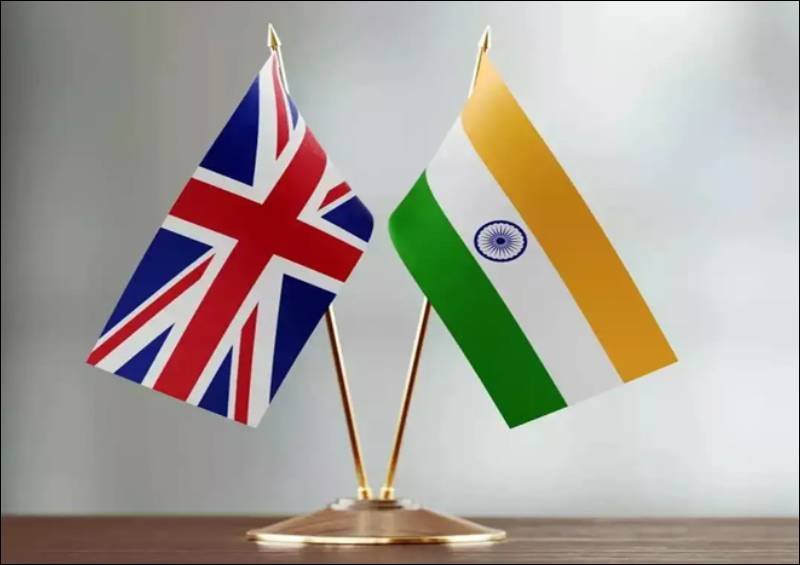
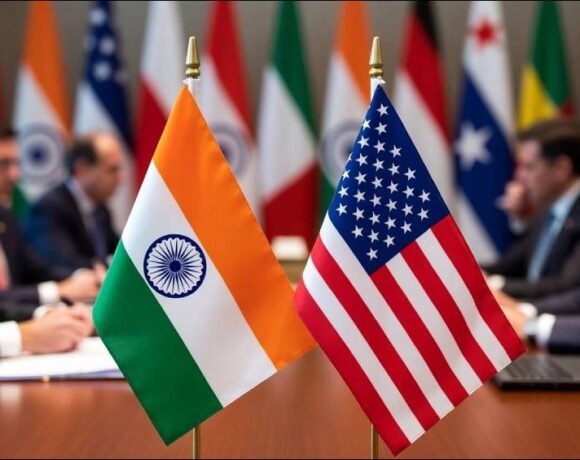
India’s textile and apparel exporters have secured zero-duty access across 1,143 specific tariff lines in the UK market under the India-UK Comprehensive Economic and Trade Agreement (CETA), removing tariffs that previously reached up to 12 percent.
The agreement provides duty-free or reduced-tariff access for 99 percent of Indian goods entering the UK, while 90 percent of UK goods entering India will receive similar treatment. The deal is projected to increase annual bilateral trade by £25.5 billion, while generating estimated annual GDP gains of £5.1 billion for India and £4.8 billion for the UK.
According to India’s Ministry of Commerce and Industry, the tariff lines covered by the agreement account for 11.7 percent of India’s textile and apparel exports. The move is expected to improve India’s competitive position against suppliers such as Bangladesh, Pakistan and Cambodia, which already enjoy duty-free access to the UK market.

India is currently the UK’s fourth-largest textile supplier, with a 6.1 percent market share and annual exports of around US$ 1.79 billion. Total UK imports of textiles and clothing exceeded US$ 28.8 billion last year.
The agreement is expected to provide a significant boost to Indian ready-made garment manufacturers, as well as exporters of home textiles, carpets and handicrafts.
In a statement, India’s Department of Commerce said the CETA would open new opportunities for textile exporters by eliminating tariff disadvantages and strengthening their competitiveness in the UK market.
The agreement also introduces streamlined customs procedures. Exporters will be able to access preferential tariff rates after registering with HM Revenue & Customs (HMRC), eliminating the mandatory requirement for customs brokers.
“This is a watershed moment for the UK-India partnership,” said Harjinder Kang, UK Trade Commissioner for South Asia and British Deputy High Commissioner for Western India.
He added that the landmark agreement was designed to make trade between the two countries cheaper, quicker and easier for businesses and consumers.