India-US Interim Trade Deal Edges Closer Despite Tariff Risks
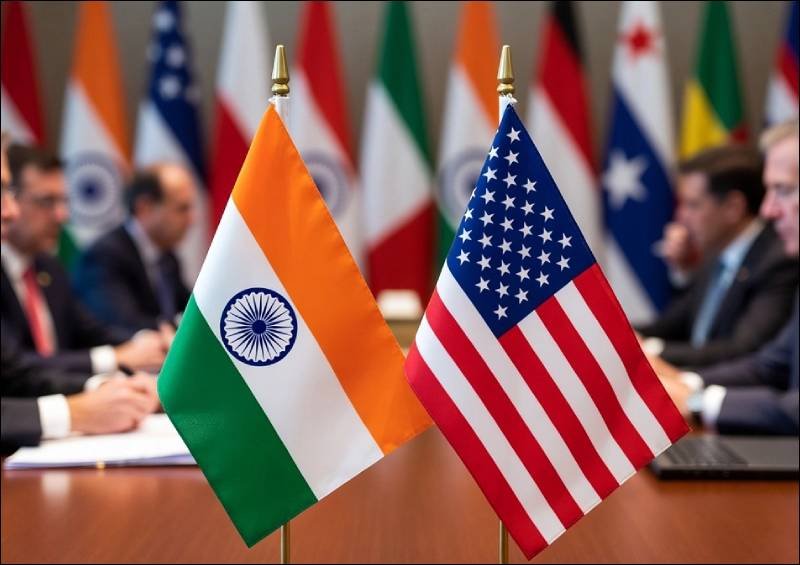
India and the United States appear to be closing in on an interim trade agreement following four days of high-level negotiations in New Delhi, bringing the two countries a step closer to deepening economic ties and expanding bilateral trade.
The proposed agreement is expected to serve as the first phase of a broader trade framework aimed at boosting commerce between the world’s largest and fifth-largest economies. Both sides have set an ambitious target of raising bilateral trade to US$500 billion by 2030 and have been engaged in intensive discussions on market access, tariffs and investment since March.
However, even as negotiations progress, fresh uncertainty has emerged from Washington. The Office of the United States Trade Representative (USTR) has launched a review that could result in additional tariffs on imports from several trading partners, including India, under Section 301 of the US Trade Act of 1974.

The proposed measures are linked to concerns surrounding imports allegedly associated with forced labour. Under the draft framework, countries that have adopted comparable import restrictions could face tariffs of 10 per cent, while those without similar measures may be subject to duties of up to 12.5 per cent.
India is among several economies under review, alongside China, Japan, South Korea, Bangladesh, Vietnam and the United Kingdom. The proposal remains under consultation, with stakeholder submissions and public hearings scheduled through July before any final decision is taken.
Despite these developments, momentum behind the India-US trade talks remains strong. Reports indicate that negotiators have largely resolved key issues, with discussions now focused on finalising the remaining details of the agreement.
A significant component of the proposed arrangement is India’s commitment to increase purchases of US goods over the coming years, while safeguarding sensitive domestic sectors such as agriculture and dairy. In return, Indian exporters are expected to gain improved access to the American market.
Trade between the two nations has expanded rapidly in recent years. US goods trade with India reached nearly US$ 150 billion in 2025, while services trade exceeded US$ 83 billion in 2024. The growth underscores the increasing economic interdependence between the two countries.
For India’s export-oriented sectors, including textiles and apparel, the outcome of the negotiations could prove particularly important. Even if US tariffs remain elevated, India could retain a competitive advantage if tariff rates applied to Indian goods remain lower than those imposed on competing manufacturing hubs in Asia.
As both governments work toward announcing the first tranche of the agreement, industry stakeholders will be closely watching how evolving US trade policies and tariff reviews shape the final contours of the deal.