India–New Zealand FTA Reshapes Fashion Sourcing Landscape
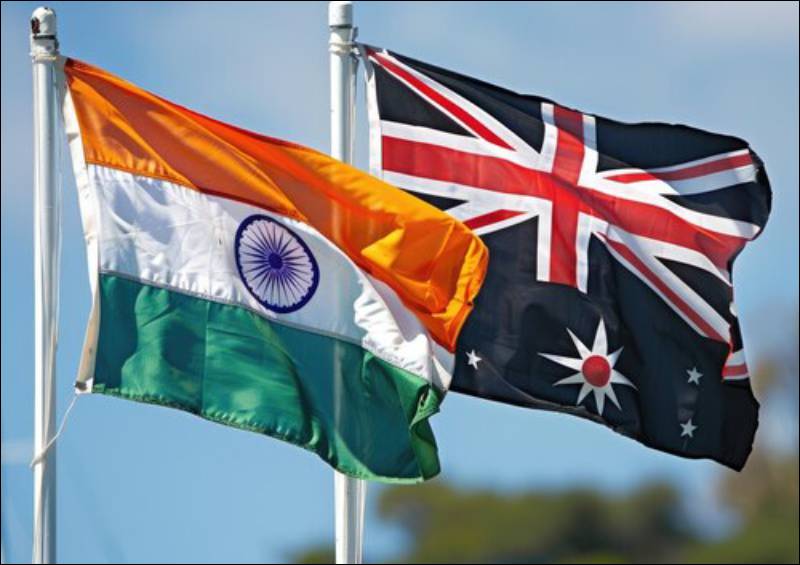
The global fashion industry is entering a new phase of trade integration following the signing of the India–New Zealand Free Trade Agreement (FTA) on April 27, 2026. The agreement is expected to significantly transform apparel sourcing and textile trade between the two countries, particularly for New Zealand fashion brands seeking scalable, cost-efficient, and sustainable manufacturing solutions.
More than a routine trade agreement, the FTA marks a structural shift in supply chain dynamics by enabling faster, more integrated, and commercially viable sourcing partnerships between India and New Zealand.
One of the most striking aspects of the agreement is the speed at which it was concluded. Negotiations resumed in March 2025, and both governments finalized the framework within nine months, highlighting a strong strategic commitment to modernizing bilateral trade.

A major advantage for the apparel sector is the elimination of tariffs on Indian garment exports to New Zealand. Earlier duties ranging from five to ten percent had added significant cost pressure for importers. With tariffs now reduced to zero, Indian manufacturers gain an immediate pricing advantage, improving competitiveness and lowering overall landed costs for New Zealand brands.
The agreement also strengthens access to India’s extensive textile manufacturing ecosystem, one of the most integrated in the world. India’s textile sector spans the full value chain, from fibre and yarn production to finished apparel manufacturing, supported by large-scale industrial infrastructure and specialized regional clusters.
Manufacturing hubs such as Tiruppur for knitwear, Surat for synthetic textiles, and Ahmedabad for woven fabrics provide strong production capabilities supported by advanced dyeing, digital printing, and internationally compliant processing systems.
For New Zealand fashion brands, this integrated ecosystem offers improved quality control, shorter production timelines, and more streamlined supply chain management.
Sustainability is expected to become another major beneficiary of the agreement. With New Zealand consumers increasingly prioritizing environmentally responsible fashion, India’s leadership in organic cotton production and recycled textile innovation positions it as a strategic sourcing partner. The removal of tariff barriers makes sustainable fibres and eco-friendly materials more commercially accessible at scale.
The FTA also creates opportunities for deeper collaboration in the wool sector. New Zealand’s premium raw wool can now be processed and converted into value-added garments in India before being exported to global markets. This integrated wool-to-garment value chain is expected to enhance supply chain transparency, product differentiation, and brand storytelling.
Operational efficiency is another key gain under the agreement. A new 48-hour customs clearance mechanism is expected to significantly reduce cargo delays, allowing brands to improve inventory planning, shorten lead times, and respond faster to market demand.
In addition, the agreement simplifies regulatory procedures through aligned certification standards and reduced documentation complexity, making international sourcing more accessible for mid-sized and emerging fashion brands.
Industry projections suggest that India’s garment exports to New Zealand could potentially triple over the next two years as brands increasingly diversify sourcing strategies and reduce dependence on single-region supply chains.
As trade volumes expand, manufacturing partnerships are expected to play a central role in execution. NoName is positioning itself as a key sourcing and manufacturing partner for New Zealand brands through its export-focused production capabilities, sustainable manufacturing practices, and end-to-end supply chain support.
The India–New Zealand FTA 2026 is widely viewed as a turning point for the apparel industry, creating a more competitive, efficient, and sustainable trade framework. By combining India’s manufacturing scale with New Zealand’s evolving fashion market demands, the agreement is set to redefine sourcing relationships and strengthen long-term bilateral trade in textiles and apparel.