
Bangladesh Energy Crisis Hits Output At 78% Of Knitwear Factories
Bangladesh’s ongoing power and gas shortages are disrupting production across the knitwear sector, with 78% of surveyed factories reporting partial production shutdowns, according to a survey by the Bangladesh Knitwear Manufacturers and Exporters Association (BKMEA). The energy crisis has also resulted in shipment delays, higher operating costs and pressure on relationships with international buyers.
The BKMEA survey found that 55% of surveyed knitwear factories had experienced international retailers and brands cancelling or reducing work orders due to the disruptions. Around 87% reported shipment delays, while nearly 60% had to offer discounts to buyers to compensate for delays and production-related difficulties. Around 7% of the surveyed factories reported completely shutting down production.
The impact has also extended to factory finances. Around 92% of respondents incurred additional costs for alternative fuels, while a similar proportion reported wasted labour and working hours. Nearly 89% of factories said they faced the risk of losing buyer confidence, while around 59% reported a risk of defaulting on bank loans.

“The garment sector is going through a difficult time. Even though many of us are doing well… some factories got shut down. If the government gives us good policy support we can overcome this challenge,” said BKMEA Executive President Fazlee Shamim Ehsan.
Electricity shortages were identified as the most widespread disruption, affecting around 90% of the surveyed factories, while nearly 75% were affected by gas shortages. Around 14% reported other shortages or disruptions. Among factories that provided information on gas pressure, supply had fallen by an average of around 78% from normal requirements.
The electricity situation has also deteriorated significantly, with factories providing load-shedding data reporting an average increase of around 200% in daily outage duration compared with the previous period. The resulting interruptions have affected production across key stages of the knitwear manufacturing process.
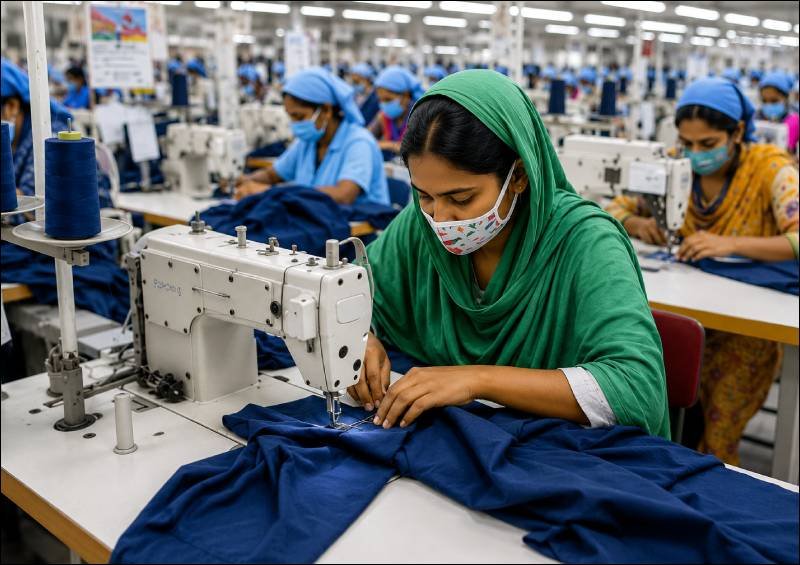
According to the survey, knitting production declined by an average of 37–38%, while dyeing output fell by 51% and garment sewing production decreased by 40%. The reductions have contributed to shipment delays and additional costs for manufacturers operating under tight delivery schedules.
The BKMEA surveyed around 20% of its member factories across Narayanganj, Gazipur, Chattogram, Dhaka and other areas between August 21 and September 14. Around 45–46% of the respondents were from Narayanganj, 20% from Gazipur, 18% from Chattogram, 13% from Dhaka and nearly 3% from other areas.
The survey highlights the growing pressure on Bangladesh’s knitwear manufacturers as unreliable energy supplies affect factory utilisation, production costs, delivery schedules and buyer relationships.