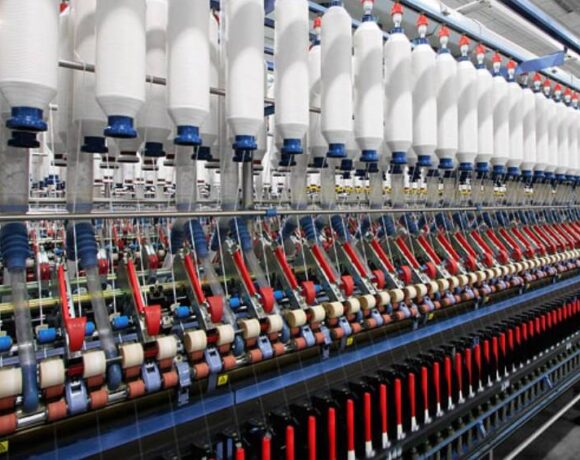

Jordan, ILO Launch Project To Improve Garment Sector Working Conditions
Jordan’s Ministry of Labour and the International Labour Organization (ILO) have signed an agreement to launch a project aimed at improving working conditions, protecting workers’ rights and strengthening labour governance in the country’s garment sector.
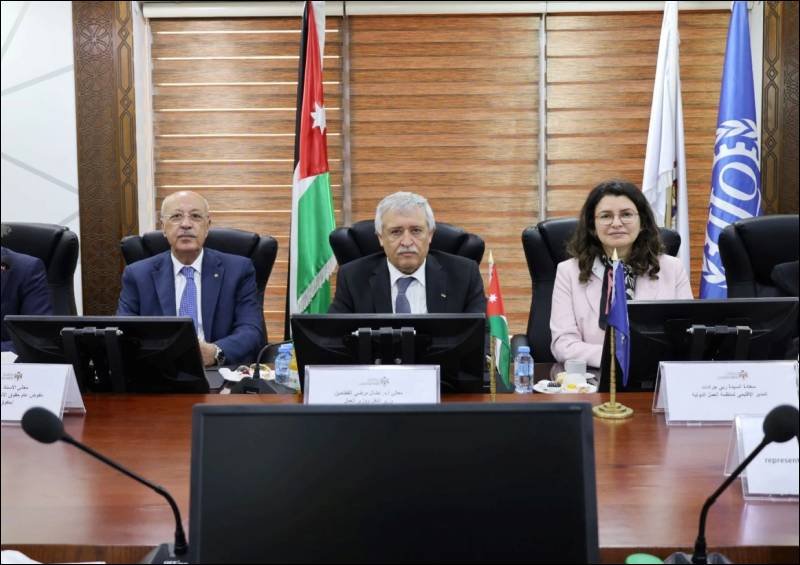
The agreement was signed by Labour Minister Nidal Qatamin and ILO Regional Director for Arab States Ruba Jaradat. Titled Better Work and Labour Governance to Support Jordan’s Garment Sector, the project builds on a letter of intent signed by the government and the ILO in July.
The initiative will provide factories with practical support to improve compliance with labour standards. It will also support efforts to prevent forced labour, promote fair recruitment and strengthen institutions responsible for protecting workers’ rights.

A dedicated worker service centre is planned to improve access to support services, particularly for migrant workers and women. The project will also strengthen complaint-handling and labour dispute resolution systems, while expanding access to grievance and worker representation mechanisms.
Implementation will begin with a three-month preparatory phase covering governance arrangements, baseline and institutional capacity assessments, work plans, partnerships and monitoring mechanisms.
The project will also support the establishment of the National Joint Council for the Jordan Garment and Textile Industry as a platform for coordination, social dialogue and monitoring progress among stakeholders.
Qatamin said the agreement reflects Jordan’s commitment to improving working conditions and labour governance through clear programmes and dedicated funding. He described textiles and garments as a priority industry under the country’s Economic Modernisation Vision, with potential for growth, higher value-added production and job creation.
Jaradat said the ILO would work with the government, employers and workers to strengthen institutions and partnerships, while keeping decent work at the centre of the sector’s long-term growth and competitiveness.