EU Sustainability Rules Push Vietnam’s Textile Industry Towards Green Transition

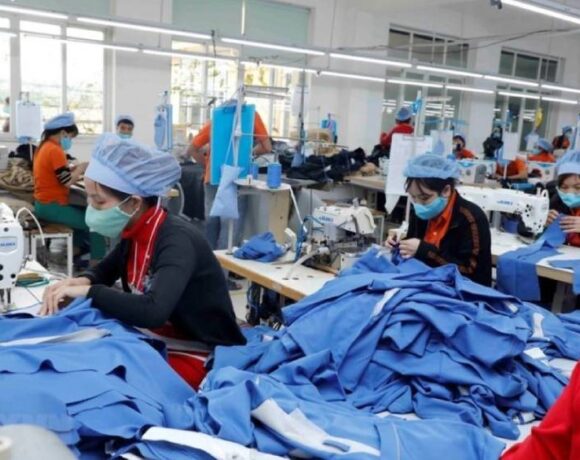
Vietnam’s textile and apparel industry is accelerating its shift towards sustainable manufacturing as tightening environmental regulations in the European Union reshape export requirements for global suppliers.
With the EU remaining one of Vietnam’s largest export markets, textile and footwear manufacturers are increasingly focusing on circular production models, lower emissions and resource-efficient operations to maintain market access.
Industry players are adapting to stricter European sustainability standards covering product design, waste reduction, traceability and carbon emissions, as the EU expands its green regulatory framework for imported goods.

The growing pressure comes at a time when Vietnam’s exports to the EU continue to expand. According to trade estimates, Vietnam’s exports to the European market reached $56.2 billion in 2025, registering a year-on-year growth of 10.1%.
Exporters are now investing in greener technologies, sustainable raw materials and compliance systems to align with evolving EU mandates, which are increasingly becoming critical for long-term competitiveness in the global textile and apparel trade.
Industry experts note that the transition towards sustainable manufacturing is no longer optional for Vietnamese suppliers, as access to premium European markets is becoming closely linked to environmental compliance and circular economy practices.