EU Tightens Worker Safety Rules On Hazardous Chemicals
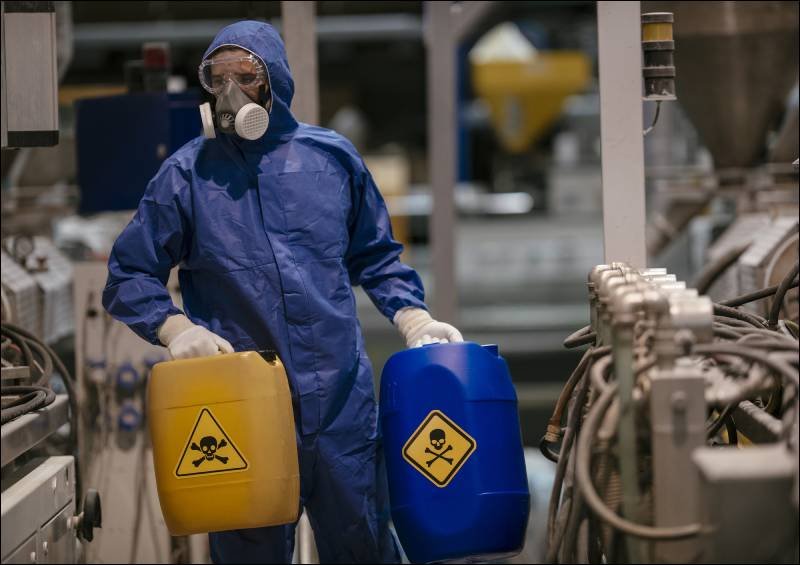
The European Union has reached a provisional agreement to strengthen workplace protection against hazardous substances linked to cancer, respiratory diseases and reproductive health risks, reinforcing occupational safety standards across a range of industries.
The agreement, announced by the Council of the European Union, forms the sixth revision of the Carcinogens, Mutagens and Reprotoxic Substances Directive (CMRD). Once formally adopted, the updated rules are expected to prevent approximately 1,700 cases of lung cancer and 19,000 other work-related illnesses over the next four decades.
Under the proposed legislation, new occupational exposure limits will be introduced for cobalt and its inorganic compounds, polycyclic aromatic hydrocarbons (PAHs) and 1,4-dioxane. The agreement also brings isoprene, widely used in the chemical and rubber industries, under the directive and adds welding fumes to the list of hazardous substances and processes requiring enhanced worker protection.

The revised rules are expected to benefit workers across sectors such as textiles, chemicals, rubber manufacturing, metal processing, battery production, emergency services and welding, where long-term exposure to hazardous substances remains a significant occupational health concern.
In addition to stricter exposure limits, the agreement introduces provisions requiring regular breaks for employees wearing personal protective equipment (PPE) and clarifies the role of PPE within broader workplace safety measures. EU lawmakers stressed that protective equipment should complement—not replace—efforts to eliminate or reduce exposure through engineering controls and safer production practices.
The European Parliament had earlier advocated stronger protections for firefighters, improved PPE standards and greater recognition of gender-specific occupational health risks, emphasising that workplace safety measures should account for varying exposure levels and worker vulnerabilities.
Before the revised directive takes effect, the provisional agreement must receive formal approval from both the European Parliament and the Council, followed by legal and linguistic review.
Once adopted, EU member states will be responsible for implementing and enforcing the new standards through workplace inspections, employer compliance measures, risk assessments, improved ventilation systems, substitution of hazardous substances where feasible, worker training and ongoing medical surveillance.
The revised directive reflects the EU’s broader commitment to balancing industrial growth with stronger worker protection. As Europe expands strategic sectors such as clean technologies, advanced manufacturing and battery production, the updated rules aim to ensure that industrial competitiveness is matched by high standards of occupational health and safety.