India Steps Up Trade-Remedy Action On Chinese Imports, Launches Five Fresh Probes
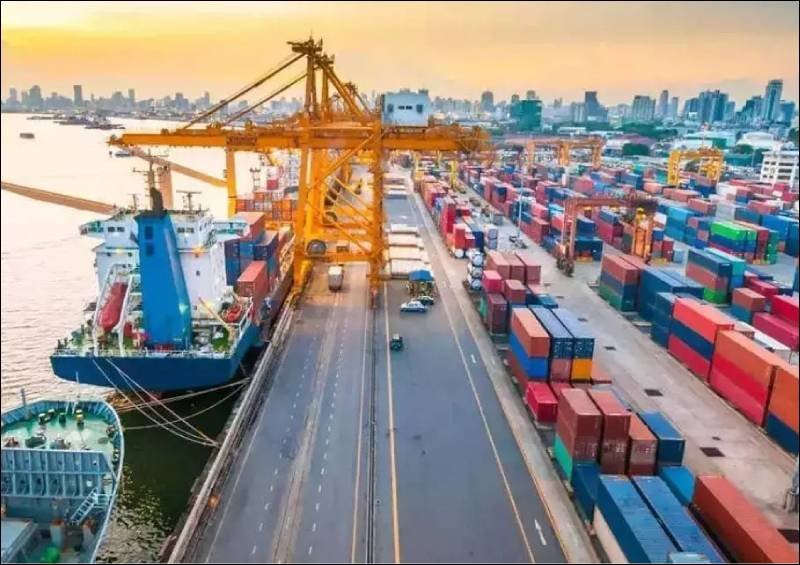
India has stepped up its trade-remedy action against imports, particularly from China, with the Directorate General of Trade Remedies (DGTR) initiating five fresh anti-dumping investigations covering chemicals, pharmaceuticals, industrial equipment and copper products.
The investigations follow complaints from domestic manufacturers alleging that imports are being sold at dumped prices and are causing injury to Indian producers.
The products under investigation are Persulphates, Clavulanic Acid and its Amine Salt, Certain Counterbalance Forklifts, Internally Grooved Copper Tubes and Pipes and Caprolactam.

All five investigations cover imports from China, while some also include products originating in the European Union, Japan, Thailand, Viet Nam, Russia and the United States.
In the case of Persulphates, the investigation is restricted to imports from China. DGTR said the alleged dumping margin was not only above the de-minimis level but is significant.
The authority found prima facie evidence of dumping, noting that imports had increased while prices had declined sharply. It also said the imports were undercutting the prices of the domestic industry and causing price suppression in the domestic market.
Persulphates, including ammonium, potassium and sodium persulphates, are widely used as initiators and oxidising agents across chemical and industrial applications, including the textile industry.
DGTR has also initiated an anti-dumping investigation into Clavulanic Acid, also known as Potassium Clavulanate, and its Amine Salt from China and the European Union. The product is an active pharmaceutical ingredient used in combination with penicillin-class antibiotics.
According to DGTR, the available evidence indicates that dumped imports have caused material retardation to the establishment of the domestic industry.
“The Authority hereby initiates an anti-dumping investigation to determine the existence, degree and effect of the alleged dumping,” DGTR said.
A separate investigation covers Certain Counterbalance Forklifts imported from China and Japan. DGTR said import volumes had increased and landed prices remained below the selling prices of the domestic industry, resulting in price undercutting.
The authority found sufficient prima facie evidence of material injury to domestic producers and has initiated an investigation to determine the extent and impact of the alleged dumping.
Copper Tube Probe Expanded
For Internally Grooved Copper Tubes and Pipes, DGTR has initiated an anti-dumping investigation covering imports from China, Thailand and Viet Nam.
The government has also launched a separate countervailing-duty investigation into imports of the same product from the three countries. The parallel proceedings mean the product is now subject to scrutiny over both alleged dumping and potentially subsidised imports.
The fifth investigation concerns Caprolactam imports from China, Russia, Thailand and the United States.
Caprolactam is a key raw material for the production of Nylon-6, which is subsequently used in applications including nylon tyre cord fabric and nylon filament yarn.
DGTR said Caprolactam imports had increased significantly despite a decline in domestic demand. It also found that landed import prices were below the selling price of the domestic industry.
The authority concluded that there was sufficient prima facie evidence of dumping, injury and a causal link between the dumped imports and the injury claimed by domestic producers.
Wider Scrutiny of Imports
The latest investigations come amid heightened global scrutiny of Chinese exports as trade tensions remain elevated and concerns continue over excess industrial capacity and supply.
China remains one of India’s largest sources of merchandise imports and a major contributor to the country’s trade deficit. According to official Commerce Ministry data, India’s merchandise exports stood at US$ 441.78 billion in FY2025-26, compared with merchandise imports of US$ 774.98 billion.
The government has also said that an inter-ministerial committee monitors import and export trends and recommends corrective measures where necessary.
DGTR will now examine submissions and evidence from domestic producers, exporters, importers and other interested parties before reaching its final findings.
If the investigations establish that dumping or subsidisation has caused injury to Indian industry, DGTR may recommend the imposition of anti-dumping or countervailing duties. The final decision on imposing any such duties rests with the Ministry of Finance.
For the textile value chain, the investigations involving Persulphates, Caprolactam and internally grooved copper tubes will be closely watched, given their links with textile processing, nylon production and industrial equipment used across manufacturing.