Indian Textile Exporters Face Competitive Pressure In US Despite Lower Section 301 Tariff: Emkay Research
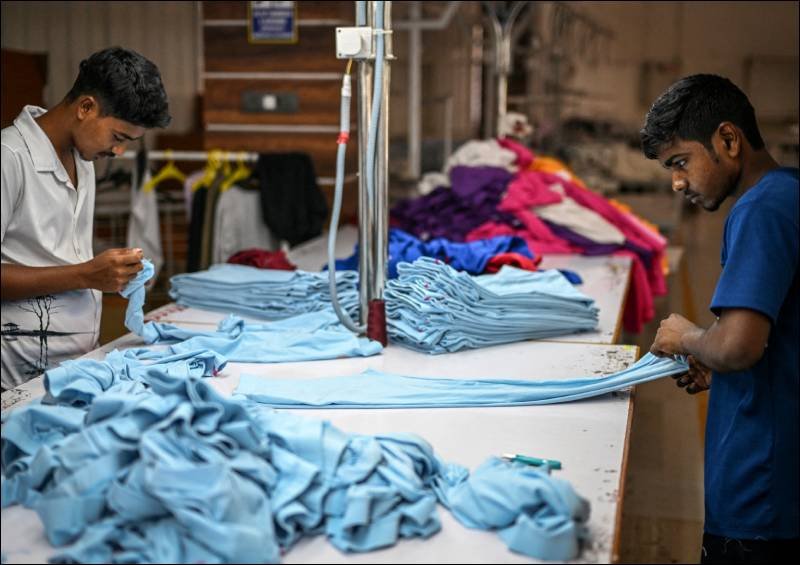
Indian textile and apparel exporters may face increased competitive pressure in the US market despite India being placed in a relatively favourable tariff bracket under the latest Section 301 measures, according to a report by Emkay Research.
The report noted that India has been subjected to a 10 per cent Section 301 tariff, lower than the 12.5 per cent tariff imposed on countries such as China, Vietnam, Brazil and Thailand. However, unlike some competing textile-exporting nations, India has not been granted tariff-rate quota (TRQ) exemptions, potentially limiting the benefits of its lower tariff rate.
According to Emkay, Bangladesh, Cambodia, Indonesia and Malaysia have received TRQ exemptions under the new Section 301 framework. These exemptions allow specified volumes of textile and apparel products manufactured using US-origin cotton and fibre to enter the US market without attracting the additional tariff.

The brokerage noted that the absence of similar exemptions for India could weaken the competitive advantage created by its lower headline tariff. While Indian textile and apparel exports will continue to face the 10 per cent levy, eligible shipments from competing countries could benefit from tariff-free access under the quota system.
Despite the challenges for the textile and apparel sector, Emkay believes India remains one of the relative beneficiaries of the new US tariff regime.
The report estimates India’s effective tariff rate in the US market at around 12 per cent, compared with approximately 25 per cent for Bangladesh and 22 per cent for China. Vietnam and Indonesia are estimated to face effective tariff rates of about 14 per cent each.
Emkay further estimated that around 55 per cent of India’s exports to the US will be subject to the additional 10 per cent tariff, while the remaining 45 per cent are either exempt from the levy or already covered under separate Section 232 tariffs.
Products such as generic pharmaceuticals and smartphones are exempt from the additional tariff, while sectors including steel, aluminium and auto parts continue to be governed by existing Section 232 measures.
The report also highlighted a significant recovery in India’s exports to the US following the ruling that earlier tariffs imposed under the International Emergency Economic Powers Act (IEEPA) were unlawful.
According to Emkay, India’s exports to the US averaged $8.4 billion per month during the four months after the ruling, compared with an average of $6.5 billion per month in the preceding six-month period.
The brokerage expects the latest Section 301 tariffs to have only a limited impact on India’s overall export performance in the near term. India’s relatively lower tariff rate could continue to offer a modest advantage over some competing exporting nations.
However, Emkay cautioned that ongoing US Section 301 investigations into excess manufacturing capacity could result in additional tariffs on Indian products, potentially altering India’s current competitive position.
The report emphasised that the ongoing India-US bilateral trade negotiations will be critical for securing lower tariff barriers and improving market access for Indian exporters.
According to Emkay, achieving preferential access and a more favourable tariff structure through a trade agreement will be important for strengthening India’s export competitiveness, including in the textile and apparel sector, in the world’s largest consumer market.