Indian Textile Exporters Step Up Supply Chain Compliance
India’s textile and apparel industry is strengthening supply-chain transparency, traceability and ethical sourcing practices as global markets tighten regulations on forced labour and responsible sourcing.
The renewed focus comes after the United States Trade Representative (USTR) proposed a 12.5% tariff under Section 301 on imports from India and several other countries over concerns related to safeguards against goods produced using forced labour within supply chains. The proposal has brought greater attention to compliance standards, traceability systems and responsible sourcing practices across export-oriented industries.
Although India does not have a dedicated law covering forced labour across entire supply chains, the country’s manufacturers have increasingly adopted robust compliance frameworks that include supplier audits, documentation protocols, traceability mechanisms and adherence to international Environmental, Social and Governance (ESG) standards. These measures are aimed at ensuring ethical sourcing, reducing supply-chain risks and maintaining access to key global markets.

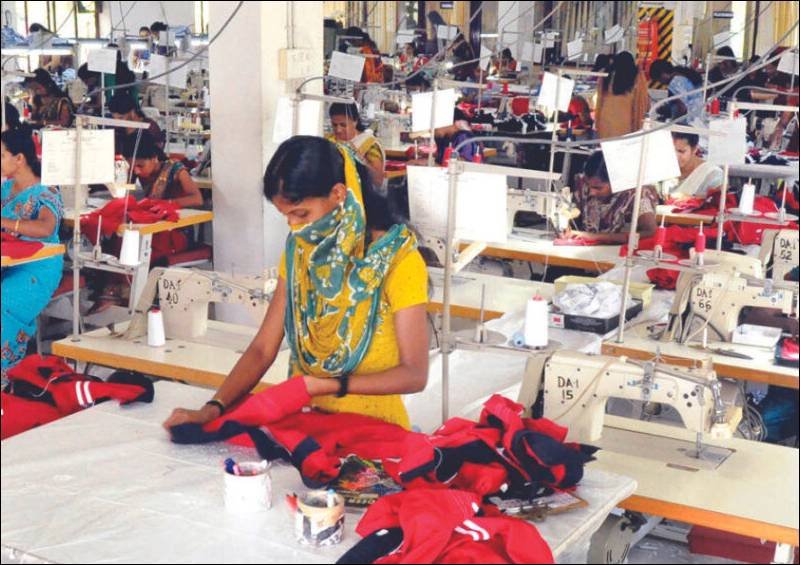
For the textile and apparel sector, the evolving regulatory environment is accelerating the adoption of traceability and certification systems. Exporters have spent years aligning with international sourcing requirements through regular audits, third-party certifications and compliance programmes demanded by global brands and retailers. As a result, many companies have already established strong oversight mechanisms across their supply chains.
A growing share of India’s textile and apparel exports is now supported by internationally recognised fibre-traceability certifications, including Global Organic Textile Standard (GOTS), Organic Content Standard (OCS), Global Recycled Standard (GRS), Recycled Claim Standard (RCS) and Better Cotton Traceability. Industry observers note that the adoption of such certifications is increasing rapidly as exporters respond to stricter due-diligence requirements in major markets such as the United States, the European Union and the United Kingdom.
Industry bodies maintain that several export-focused sectors already have comprehensive safeguards in place. Responsible Business Conduct frameworks, supplier codes of conduct, human rights due-diligence processes, supplier audits and traceability systems are becoming standard practices across many manufacturing industries. Increasing collaboration between global buyers and Indian suppliers is also helping strengthen compliance standards throughout the value chain.
India’s position as a major cotton producer may provide an additional advantage for textile exporters. Unlike several competing manufacturing countries, India is a net exporter of cotton and has limited dependence on China for cotton sourcing. This could help Indian exporters address growing scrutiny surrounding raw material origins and supply-chain transparency.
As international buyers place greater emphasis on sustainability, traceability and ethical sourcing, compliance is increasingly becoming a competitive differentiator rather than a regulatory obligation. Textile manufacturers are responding by investing in advanced traceability systems, certification programmes and responsible sourcing initiatives to strengthen their credibility in global markets.
With global supply-chain regulations continuing to evolve, the Indian textile industry is positioning itself as a reliable and transparent sourcing destination. The sector’s ongoing investments in compliance, sustainability and traceability are expected to support long-term export growth while reinforcing India’s standing in international textile and apparel trade.