
Lenzing More Than Doubles H1 2026 Net Profit
The Lenzing Group reported a significant improvement in profitability during the first half of 2026, with net profit more than doubling to EUR 35.6 million compared to EUR 15.2 million in the corresponding period last year. The company also improved free cash flow to EUR 45.8 million, despite continued market challenges including volatile energy and raw material prices, subdued consumer demand and intensified competition from Asia.
Revenue for the six-month period stood at EUR 1.27 billion, down from EUR 1.34 billion a year earlier, reflecting the company’s deliberate reduction of low-margin fibre volumes and lower revenues from its external pulp business. EBITDA reached EUR 239.2 million, while the EBITDA margin stood at 18.9 percent.
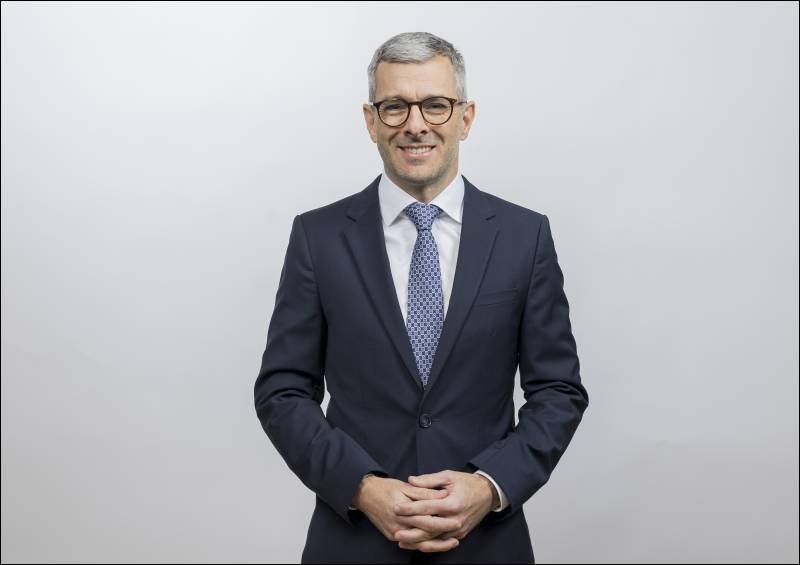
“The results for the first half of 2026 demonstrate that our sales initiatives and disciplined cost management are delivering results. At the same time, they confirm both the necessity and the potential of our strategic realignment. With ‘Grow Nonwovens, Reset Textiles’, we are laying the foundation for a structurally more profitable and resilient Lenzing Group,” said Mathias Breuer, CFO of the Lenzing Group.

Lenzing is accelerating its transformation strategy, ‘Grow Nonwovens, Reset Textiles’, which focuses on expanding the nonwovens business, strengthening premium textile segments and enhancing its pulp and biorefinery operations. The company recently approved the consolidation of fibre production sites as part of its efforts to improve profitability and resilience in a changing market environment.
Having achieved savings of more than EUR 200 million in 2025, Lenzing is implementing additional efficiency measures through a performance programme targeting a further EUR 120 million in savings by the end of 2027.
The company will continue to focus on high-margin specialty fibres marketed under the TENCEL, LENZING ECOVERO and VEOCEL brands while gradually reducing its exposure to lower-margin standard textile fibres. Looking ahead, Lenzing aims to increase EBITDA by EUR 150 million, achieve an EBITDA margin of 20–25 percent, and reduce leverage to below 2.5x in the medium term.