
MP Nets Rs 12.5k Cr Investment For PM MITRA Park
Madhya Pradesh secured investment proposals worth Rs 12,508 crore for its upcoming PM MITRA Park in Dhar, with 15 textile majors committing projects that could generate over 18,000 jobs.
The biggest commitment came from Trident Group at Rs 4,500 crore, followed by A.B. Cotspin (Rs 1,300 crore), Arvind Mills (Rs 1,024 crore), Sanatan Textiles (Rs 1,000 crore) and BSL (Rs 1,000 crore). Other proposals include Best Corporation Tiruppur (Rs 832 crore), Sharmaji Yarn (Rs 800 crore), RSVM–LNJ Bhilwara (Rs 700 crore) and R.R. Jain Industries (Rs 550 crore).
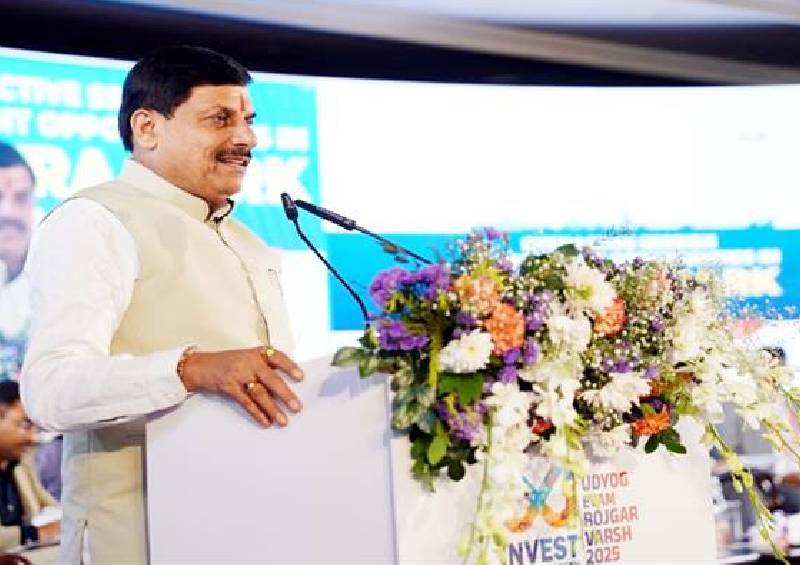
Announcing the proposals at an interactive session in New Delhi on September 3rd, Chief Minister Mohan Yadav positioned Madhya Pradesh as a “model state” for capital investment, promising land, infrastructure and policy support. “The success of investors’ businesses is our government’s guarantee,” he told industry leaders, adding that the Bhoomi Pujan for the park would be held shortly.
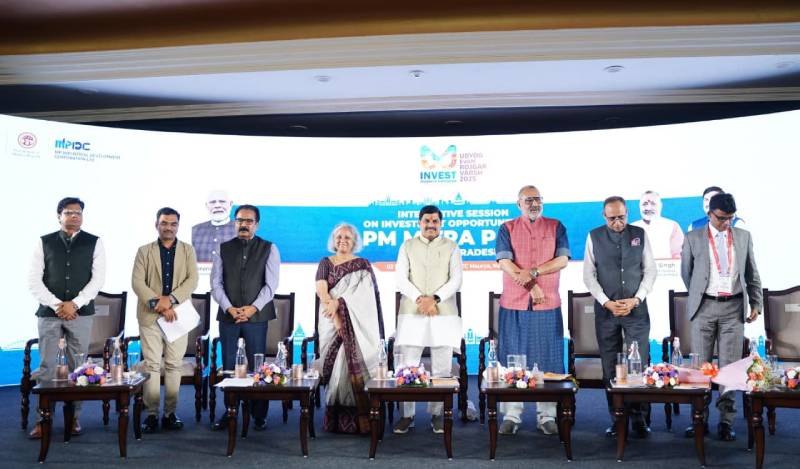 Union Textiles Minister Giriraj Singh said the integrated textile hub would lower costs and improve India’s competitiveness in an US$ 800-billion global textile market. “The Dhar park is not just an industrial project but a solution to a decades-old industry demand,” he said.
Spread over 2,158 acres, the Dhar park is being developed with an outlay of nearly Rs 2,000 crore and is expected to be operational in 14–16 months. It will house a farm-to-fashion value chain with zero liquid discharge CETPs, testing and training facilities, industrial housing and plug-and-play units.
Textiles Secretary Neelam Shami Rao said Madhya Pradesh has linked its traditional Maheshwari and Chanderi weaving strengths with modern infrastructure, while Additional Secretary Rohit Kansal highlighted that MP is the first state to invite investor applications for a PM MITRA Park.
Madhya Pradesh accounts for 24% of the world’s non-GMO organic cotton and ranks seventh in domestic cotton output. Its location between Gujarat and the Delhi–Mumbai Industrial Corridor, officials said, offers a natural advantage for the textile ecosystem.