Punjab Textile Policy 2026 Targets Investment, Jobs And Global Edge
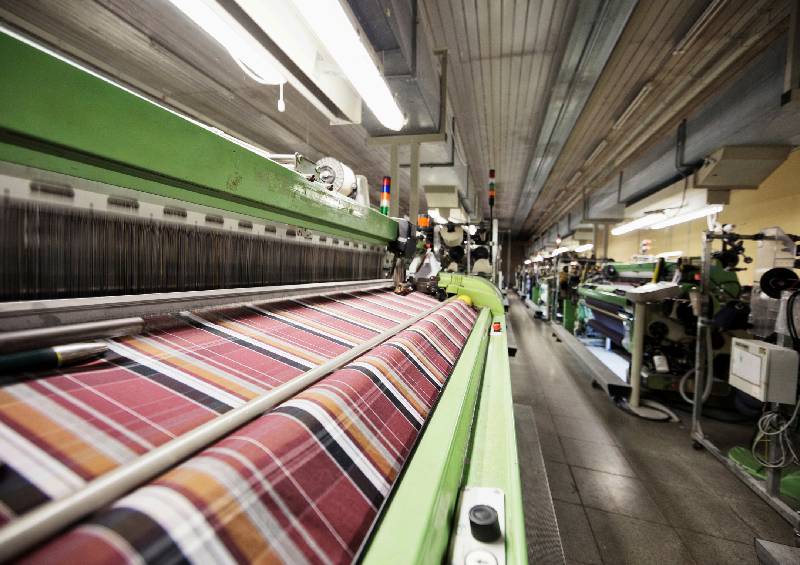
The Government of Punjab has introduced the Punjab Textile and Apparel Policy 2026, a wide-ranging roadmap aimed at strengthening the state’s position as a leading textile and apparel manufacturing hub while driving investment, employment and exports. Building on Punjab’s strong industrial foundation, where textiles account for a significant share of output and exports, the policy seeks to address existing gaps in infrastructure, technology and value addition, while aligning the sector with global sustainability and innovation benchmarks.
At its core, the policy envisions the creation of an integrated, future-ready textile ecosystem spanning the entire value chain from fibre and spinning to garmenting and technical textiles. It aims to attract both domestic and international investments by offering a combination of fiscal incentives, infrastructure support and ease of doing business reforms. The government is particularly focused on enabling higher value addition within the state, reducing reliance on external processing and positioning Punjab as a competitive sourcing destination in global supply chains.
A key pillar of the policy is employment generation, with a strong emphasis on creating large-scale job opportunities across segments such as apparel manufacturing, processing and technical textiles. The policy highlights workforce development through targeted skilling and upskilling initiatives, industry-aligned training programmes and increased participation of women and youth in the workforce. By strengthening human capital, the state aims to ensure a steady pipeline of skilled labour to support expanding industrial capacities.

To attract investments, the policy introduces a robust and flexible incentive framework. These include capital subsidies, reimbursement of state GST, exemptions on electricity duty and support for employment generation. Notably, the incentive structure is designed to be adaptable, allowing industries to tailor benefits based on their operational requirements. For MSMEs, the total incentive package can extend up to 125% of fixed capital investment or Rs 500 crore, whichever is lower, with benefits spread over a period of up to 10–15 years. This approach is expected to significantly reduce upfront capital pressures and improve project viability for investors.
Ease of doing business is another major focus area, with the state strengthening its single-window clearance mechanism to ensure faster approvals and streamlined compliance. The policy commits to time-bound clearances within 45 days through a digital platform that integrates multiple regulatory processes. This is expected to reduce bureaucratic delays and enhance investor confidence, particularly for large-scale projects requiring multiple approvals.
Infrastructure development forms a critical component of the policy, with plans to establish and upgrade textile parks, garmenting clusters and integrated processing facilities. The government also aims to promote the development of Common Effluent Treatment Plants (CETPs) and other shared infrastructure to support sustainable manufacturing practices. Cluster-based development is expected to improve efficiency, reduce costs and encourage collaboration among industry players, while leveraging Central government schemes to maximise impact.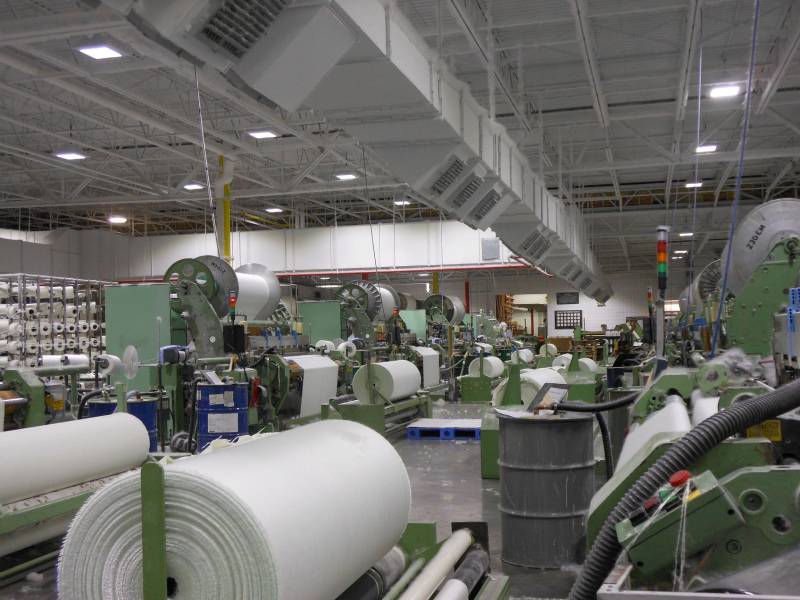
Sustainability has been embedded as a central theme in the policy, reflecting the growing global demand for environmentally responsible production. The state is encouraging adoption of cleaner technologies, efficient water and energy use and environmentally compliant processing methods. This includes support for green manufacturing practices and investments in pollution control infrastructure, ensuring that Punjab’s textile industry remains competitive in sustainability-conscious global markets.
The policy also places strong emphasis on innovation and research, proposing the establishment of Centres of Excellence, R&D hubs and industry-academia collaborations. Initiatives such as Tex-RAMPS are expected to foster innovation, support startups and accelerate the adoption of advanced technologies, including technical textiles and smart fabrics. By building a strong innovation ecosystem, the state aims to move up the value chain and enhance its global competitiveness.
In addition, the government is focusing on export promotion through a dedicated State Export Promotion Action Plan, along with initiatives such as buyer-seller meets and global market outreach programmes. These efforts are designed to strengthen Punjab’s integration with international markets and expand its footprint in key export destinations.
With established textile clusters in cities such as Ludhiana, Amritsar and Mohali, Punjab already has a strong base in segments like knitwear, hosiery and cotton textiles. The new policy builds on these strengths while targeting diversification into high-growth areas such as technical textiles and value-added apparel manufacturing.
Overall, the Punjab Textile and Apparel Policy 2026 represents a strategic and holistic approach to sectoral development, combining financial incentives, infrastructure expansion, sustainability initiatives and innovation support. By addressing both current challenges and future opportunities, the policy is expected to drive significant investment, create employment and reinforce Punjab’s position as a key textile hub in India’s evolving manufacturing landscape.