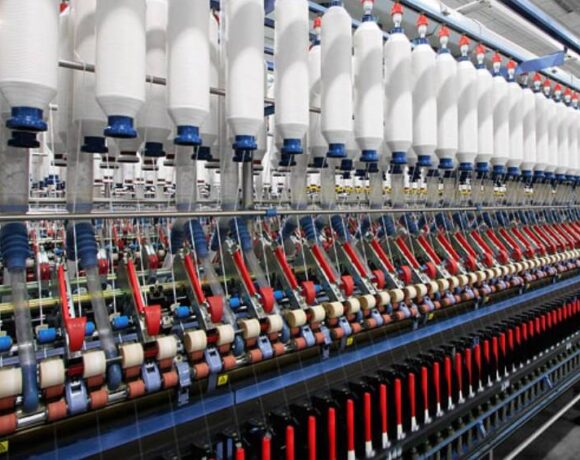

Swiss Textile Machinery Sees Distinct Opportunities In China And India
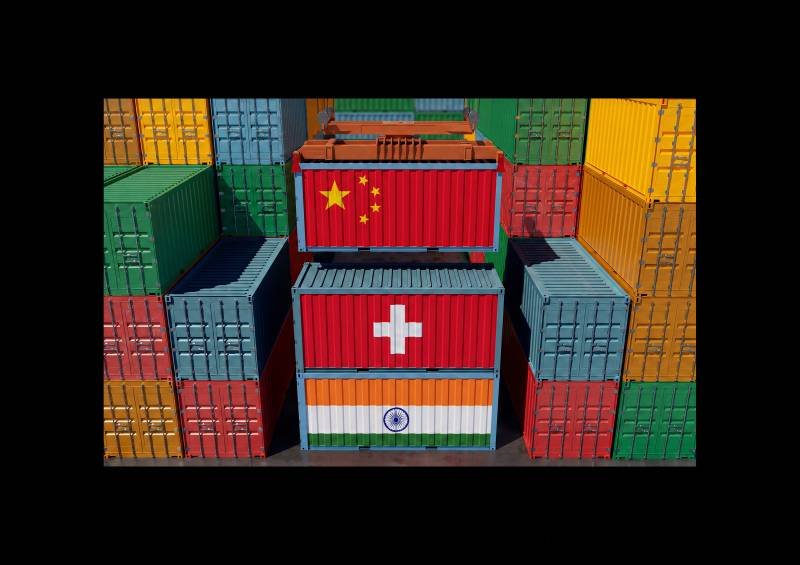
 China and India remain key markets for Swiss textile machinery, but differences in their industrial structures, raw material bases and investment priorities are shaping distinct opportunities for technology suppliers, according to Swiss Textile Machinery.
Ahead of ITMA Asia + CITME and India ITME 2026, the association highlighted demand for automation, quality control and resource efficiency across both markets.

Cornelia Buchwalder, Secretary General of Swiss Textile Machinery
“China and India are both key markets for our industry, but their industrial environments differ notably,” said Cornelia Buchwalder, Secretary General of Swiss Textile Machinery. Understanding these differences, she added, is essential for member companies to meet each market’s requirements.

China’s extensive, integrated textile value chain and strong man-made fibre industry create opportunities for advanced production technologies, digital connectivity and precise process control. However, technological progress among Chinese machinery manufacturers has intensified competition for international suppliers.
India’s cotton-based textile industry, meanwhile, is expanding into man-made fibres, technical textiles and advanced processing. Growing domestic consumption and manufacturing modernisation are supporting demand for additional capacity, reliable quality control and technologies that reduce energy and water consumption.
The association said the EFTA–India Trade and Economic Partnership Agreement, which entered into force in October 2025, further supports Swiss industrial suppliers by improving market conditions.
Swiss companies have built a longstanding presence in both countries through production facilities, sales and service networks, technical support and training.
Around 20 association members will exhibit at each of the upcoming events: ITMA Asia + CITME in Shanghai from November 20–24 and India ITME in Greater Noida from December 4–9, 2026.
Despite geopolitical uncertainty, trade barriers and cautious investment, the association remains positive about the long-term opportunities in both markets.