
November 29, 2026
Home Posts tagged Circular Economy In Textiles (Page 2)
Corporates

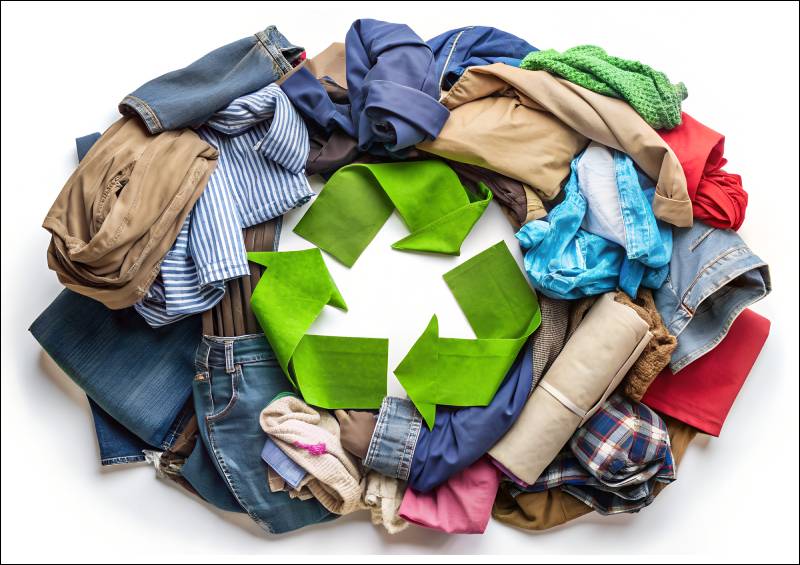
Syre, Target Expand Recycled Polyester Partnership

Syre has expanded its collaboration with Target to accelerate the adoption of next-generation recycled materials across apparel and home textile categories. Under the partnership, Syre will support Target in integrating textile-to-textile recycled polyester into high-volume product segments as part of efforts to scale circular textile solutions. The initiative is expected
Sustainability

Filatex India, Revti Business And Wastewear Join Forces To Promote Textile Recycling

Filatex India Ltd., Revti Business Pvt. Ltd., and Wastewear Inc., have signed a Memorandum of Understanding (MoU) to collaborate on textile waste recycling, product innovation, and global co-branding. The agreement, signed in New Delhi, outlines the companies’ shared goal of sourcing, processing, and marketing recycled polyester products to reduce textile waste and promote
Sustainability

Selenis Launches Texnascis, Driving Textile-To-Textile Recycling For A Circular Future

Selenis, a global leader in specialty polyesters, has announced the launch of Texnascis, its new brand dedicated to textile-to-textile recycling. Texnascis will serve as the company’s platform to advance its mission of transforming textile waste into innovative, reusable products, accelerating the shift toward a circular textile economy. Building on its decades of
Event

India’s Textile Industry Charts Green Roadmap At 4th Sustainable Textile Summit

The PHD Chamber of Commerce and Industry (PHDCCI) hosted the 4th Sustainable Textile Summit (STS) in New Delhi on Sept. 16, 2025, where senior government officials, industry leaders and global experts deliberated on strategies to transform India’s textile industry into a global hub for sustainable production. Themed “Innovating Towards a Sustainable Future: Collaborative
Industry

How GST 2.0 Rate Cuts Will Strengthen India’s Textile And Apparel Value Chain

For the economy and the textile industry, GST 2.0 reforms are undoubtedly a landmark step. The reduction in manmade fibres from 18% to 5% and synthetic yarn from 12% to 5% will substantially strengthen the country’s textile industry while enhancing its competitiveness and stimulating consumption. Handloom, handicraft goods, yarns and carpets have also been shifted […]