January 29, 2026
Home Posts tagged Sustainable Fashion
Industry

Threading Tradition With Technology: The Reinvention Of India’s Textile Industry

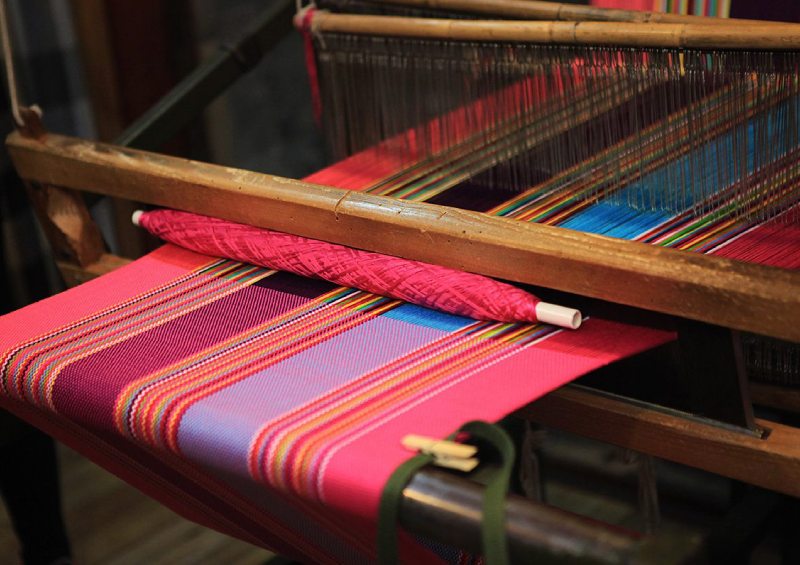
For centuries, India’s textile industry has been a cornerstone of its culture, economy and global identity. From the intricate handlooms of Varanasi to the bustling powerlooms of Tiruppur, Indian textiles have dressed the world in tradition and craftsmanship. But a quiet revolution is now underway. India is no longer just producing textiles, it’s creating experiences. […]
Cotton

Global Lifestyle Monitor Survey Confirms Cotton As The World’s Preferred Fibre

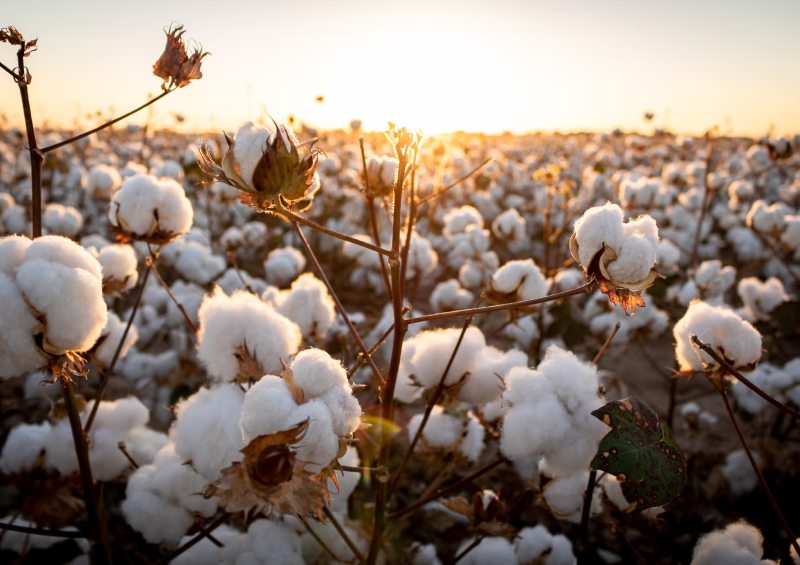
Cotton Incorporated and COTTON USA have unveiled results from the 2025 Global Lifestyle Monitor Survey, reaffirming cotton’s dominance as the fibre of choice among consumers worldwide. Conducted across 13 countries with more than 13,000 respondents, the study highlights cotton’s continued leadership in comfort, quality and environmental trust. The findings show that three
Dyes & Chemicals

Five Ways To Reduce Waste In Fashion Industry

The fashion industry is leaving an increasingly heavy toll on the planet, contributing to pollution, climate change, and excessive resource consumption. In Chile’s Atacama Desert, mountains of discarded clothes reportedly reached heights visible from space. In Bangladesh’s capital, Dhaka, textile dyes turned a river black, while synthetic fibres have been found in fish in
Industry

Bharat Tex 2025 Strengthens India’s Position In MMF & Technical Textiles: MATEXIL Chairman

Bharat Tex 2025, India’s largest and most prestigious global textile event, concluded on a high note, setting new benchmarks for the textile and apparel sector. Bhadresh Dodhia, Chairman of MATEXIL (Manmade Fibre and Technical Textiles Export Promotion Council) and Co-Chairman of the Core Committee, highlighted the event’s impact, stating, “Bharat Tex 2025 has
Sustainability

Closing The Loop: How EPR Policies Can Transform Textile Waste Into Opportunity

As the fashion industry grapples with mounting environmental concerns, the concept of Extended Producer Responsibility (EPR) has emerged as a cornerstone policy to address textile waste. This report, authored by the Ellen MacArthur Foundation, explores how EPR can reshape the textile industry by shifting the focus from linear consumption patterns to sustainable, circular