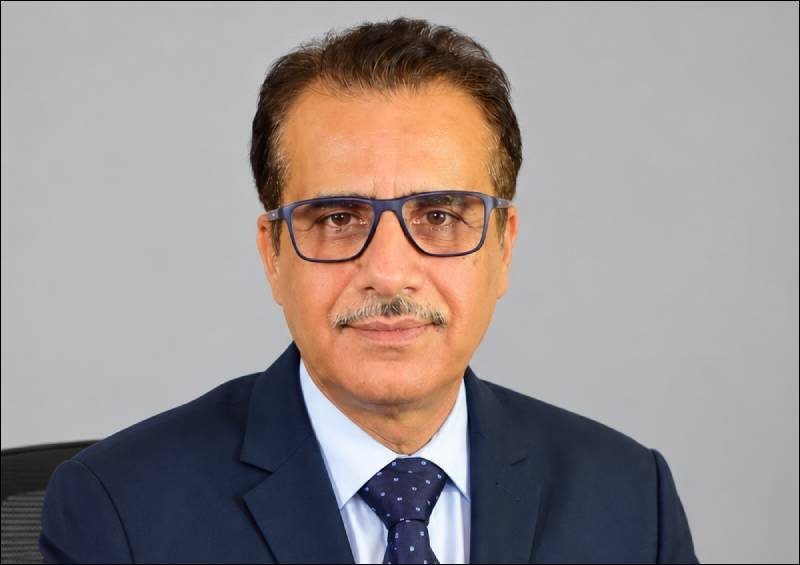
Intro: Greater export orientation could become a catalyst for investment, modernisation and sustainable growth in textile processing, states Smeesh Koul, Vice President – Processing Machinery, Accessories & CSG, A.T.E. Enterprises Private Limited (TEG), in this exclusive tete-e-tete with
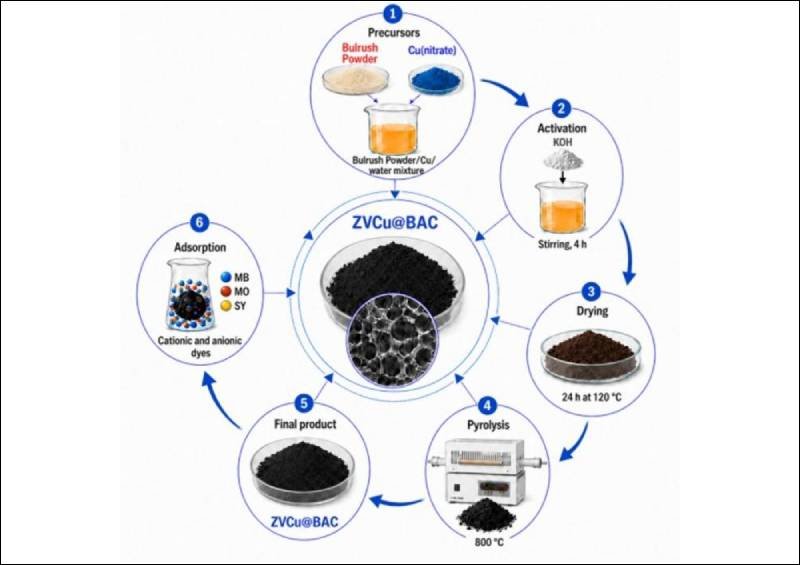
Researchers at Doshisha University, Japan, have developed a reusable adsorbent from bullrush agricultural waste that can remove both cationic and anionic synthetic dyes from industrial wastewater. The researchers developed a zero-valent copper nanoparticle-enhanced bullrush activated carbon composite (ZVCu@BAC) through a single-step co-pyrolysis process. Laboratory tests
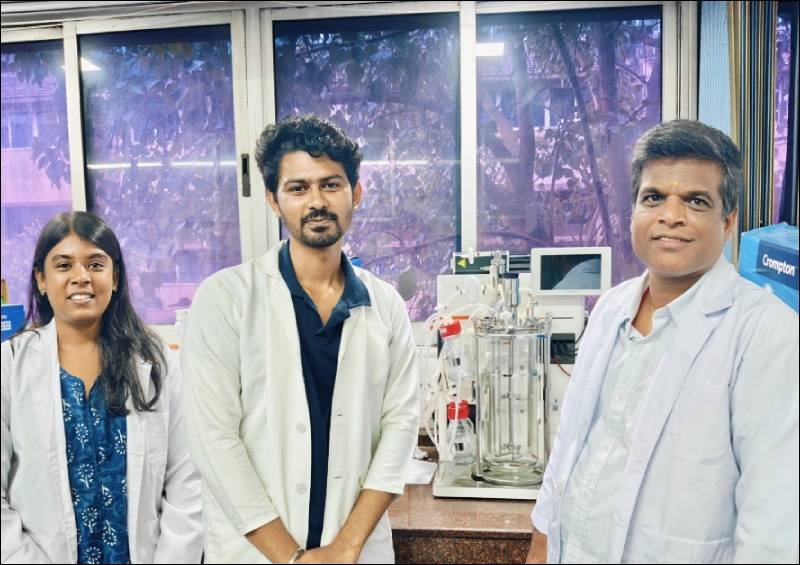
Researchers at the Indian Institute of Technology Guwahati (IIT Guwahati) have developed a biological approach to treat textile wastewater containing toxic azo dyes, using a novel bacterium that degraded 98.50% of a commonly used synthetic dye under optimised laboratory conditions. The study demonstrated the ability of Brevundimonas sp. AJZ05 to degrade Direct Blue-6
A new report by Earth Action, developed in partnership with The Nature Conservancy, has revealed that global textile production generates approximately 92,000 tonnes of microfibre losses annually, while highlighting that coordinated industry action could reduce production-phase microfibre leakage by as much as 95 per cent by 2032. The study titled ‘From Shedding to
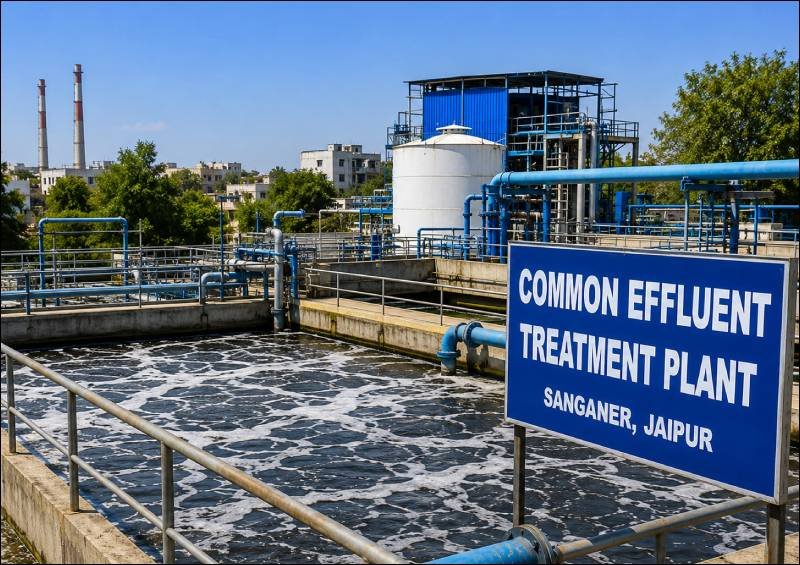
Industrial wastewater management in Jaipur’s Sanganer textile cluster is set to expand, with nearly all member textile units expected to be connected to the Common Effluent Treatment Plant (CETP) network following the completion of a key pumping station and pipeline project. Of the 892 member textile units, 758 have already been connected to the CETP. […]
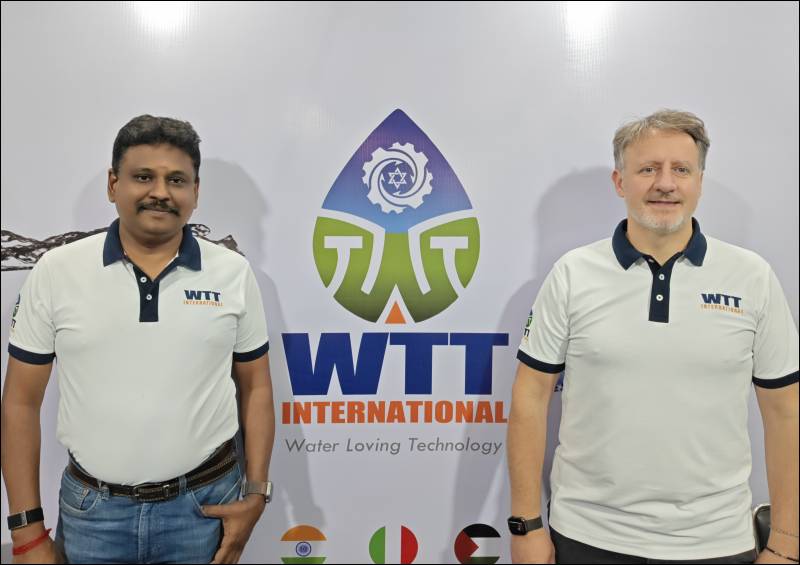
In this exclusive interview with Henry Dsouza, Associate editor of Textile Insights, WTT International’s D. Venkatesh talks about the paradigm shift in the mindset of textile industry players wrought about by their innovative and cost-effective ZLD systems, while Andrea Pelissero, speaks about the company’s plans to establish a global footprint, moving from South
Veolia Water Technologies & Solutions (India), a global leader in sustainable water management, is showcasing its expertise at the GTTES 2025 exhibition. Veolia offers innovative solutions to address the complex water, wastewater and process challenges in the textile industry. With a presence in over 130 countries, including a strong foothold in South Asia, Veolia
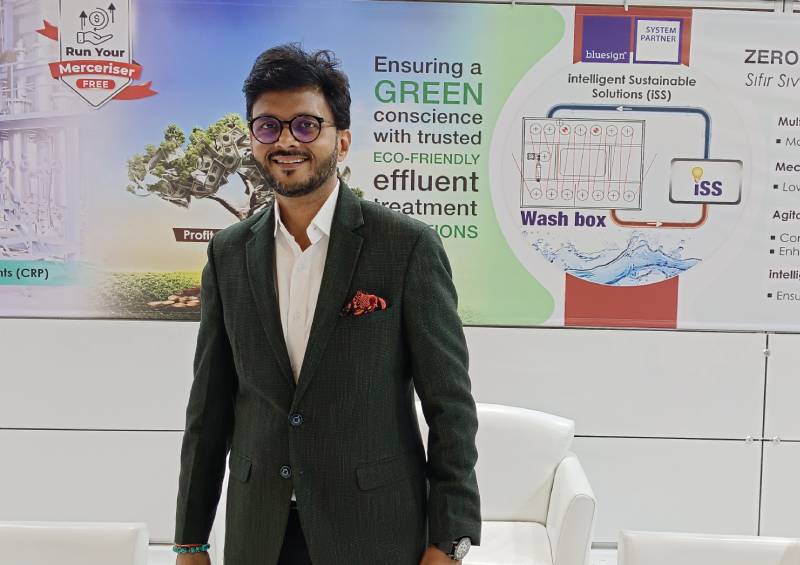
Unitedmizu Industries Pvt. Ltd (UMI) has introduced an innovative technology designed to modernize wastewater treatment in the textile industry. The new intelligent Self-Sustainable (iSS) machine promises to recover at least 60% of water from washing processes without the need for traditional Effluent Treatment Plants (ETPs). This innovative solution aims to provide