US CBP Issues WROs Against Two Jordan Garment Manufacturers
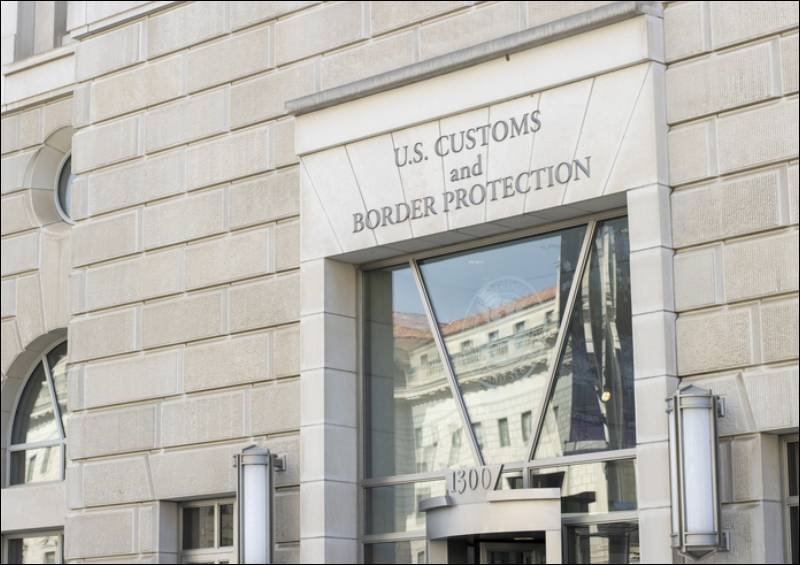
The U.S. Customs and Border Protection (CBP) has issued Withhold Release Orders (WROs) against garments manufactured by Jordan-based Needle Craft Ltd. and Casual Wear Apparel LLC, citing reasonable evidence of forced labour practices. The orders took effect immediately, requiring CBP officers at all U.S. ports of entry to detain garment shipments produced by the two companies.
The action, announced by CBP, follows an investigation that found evidence suggesting the factories violated the U.S. prohibition on importing goods produced with forced labour under 19 U.S.C. §1307.
According to CBP, its investigation reviewed a range of evidence, including media reports, official Jordanian government documents, company statements, photographs, videos, victim testimonies and reports from non-governmental organisations.

The agency stated that workers at both facilities were allegedly subjected to seven indicators of forced labour identified by the International Labour Organization (ILO). These include retention of identity documents, excessive overtime, intimidation and threats, physical and sexual violence, withholding of wages, restriction of movement, and abusive living and working conditions.
CBP said the evidence established reasonable suspicion that workers were engaged in involuntary labour under threat of penalty and that garments produced at the facilities were being, or were likely to be, imported into the United States.
“CBP’s forced labour enforcement exposes supply chains that undermine the integrity of U.S. commerce,” said Susan S. Thomas, Executive Assistant Commissioner of CBP’s Office of Trade. “These actions mark CBP’s fifth and sixth Withhold Release Orders this fiscal year, preventing additional goods linked to exploitative labour practices from entering the U.S. market.”
With these latest actions, CBP is now enforcing 58 Withhold Release Orders and eight findings under the U.S. forced labour statute.
Importers whose shipments are detained may choose to export or destroy the goods or provide evidence demonstrating that the merchandise was not produced using forced labour.
The move underscores the growing scrutiny of global apparel supply chains and reinforces the importance of robust labour due diligence for manufacturers and brands supplying the U.S. market. Companies sourcing garments internationally are expected to strengthen supply chain transparency and compliance as regulatory enforcement against forced labour continues to intensify.