
Vietnam Manufacturing Activity Strengthens In May As New Orders Rebound
Vietnam’s manufacturing sector regained momentum in May, supported by a strong recovery in new orders and increased production activity, according to the latest S&P Global Vietnam Manufacturing Purchasing Managers’ Index (PMI).
The PMI rose to 52.8 in May from 50.5 in April, reaching its highest level since February and signaling a solid improvement in manufacturing conditions. The latest reading marked the eleventh consecutive month of expansion in the sector.
A key driver of growth was the rebound in new business orders, which returned to expansion after a slight decline in April. New orders increased at the fastest pace in three months, partly reflecting precautionary inventory building by customers concerned about potential supply disruptions arising from the ongoing conflict in the Middle East.

Export demand also showed signs of recovery. New export orders increased marginally in May, ending a two-month period of contraction. However, manufacturers reported that elevated freight costs and logistical challenges continued to constrain international demand.
The improvement in order inflows supported a stronger rise in manufacturing output, which expanded for the thirteenth consecutive month and at the fastest pace since February. In response, firms increased purchasing activity for the first time in three months as they sought to replenish inventories and secure raw materials.
Despite stronger production and purchasing activity, supply chain pressures persisted. Suppliers’ delivery times lengthened further during May due to higher fuel and transportation costs as well as ongoing logistics disruptions. Although vendor performance deteriorated at a slower pace than in April, delays continued to impact inventory levels across the sector.
Input costs rose sharply during the month, with inflation accelerating for the fourth consecutive month to its highest level since April 2011. Manufacturers cited rising fuel, oil and transportation expenses as the primary factors behind escalating costs. While companies continued to pass part of these increases on to customers, output price inflation eased slightly from April’s elevated levels.
Inventory trends remained mixed. Stocks of purchases declined despite increased buying activity, reflecting longer delivery times and strong production requirements. Pre-production inventories recorded their fastest rate of depletion in nearly a year, while stocks of finished goods also fell, albeit at a slower pace.
Meanwhile, manufacturers continued to report spare production capacity. Outstanding business declined for the second successive month, enabling firms to process incoming orders without significant strain. As a result, employment levels fell marginally for the third consecutive month despite the improvement in demand conditions.
Looking ahead, business confidence strengthened to a three-month high, supported by expectations of stronger order inflows and planned business expansion. However, optimism remained relatively subdued as manufacturers continued to monitor the potential impact of geopolitical tensions and rising logistics costs on global trade.
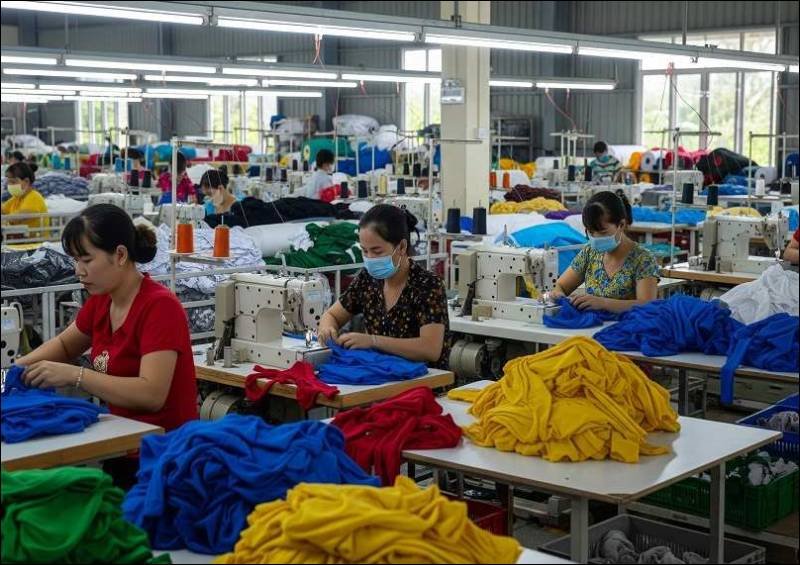
For the textile and apparel sector, which remains one of Vietnam’s largest export-oriented industries, the recovery in orders offers a positive signal for the coming months. Nevertheless, rising input costs, freight expenses and geopolitical uncertainties continue to pose challenges to profitability and supply chain stability.