
Welspun Living Turns To AI To Sharpen Manufacturing, Customer Service
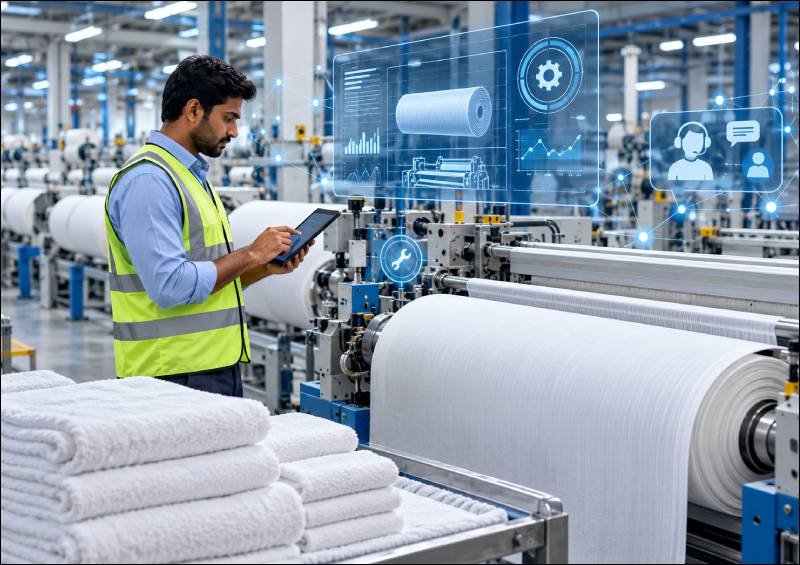
Artificial intelligence (AI) and machine learning (ML) are finding a place on the textile factory floor, helping manufacturers monitor equipment, fine-tune production and make better use of resources. At Welspun Living, these technologies are also extending into customer service, connecting manufacturing efficiency with a more personalised shopping experience.
The home textiles company says it is incorporating AI and ML into daily operations to improve productivity and support decisions based on real-time data. The approach reflects a growing role for digital tools in an industry where consistency, resource consumption and equipment performance directly influence costs and product quality.
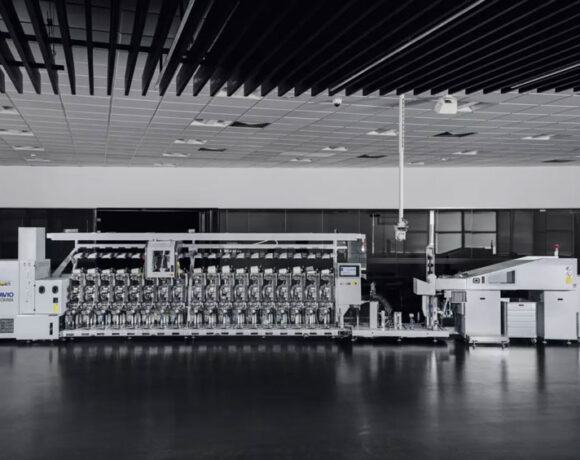
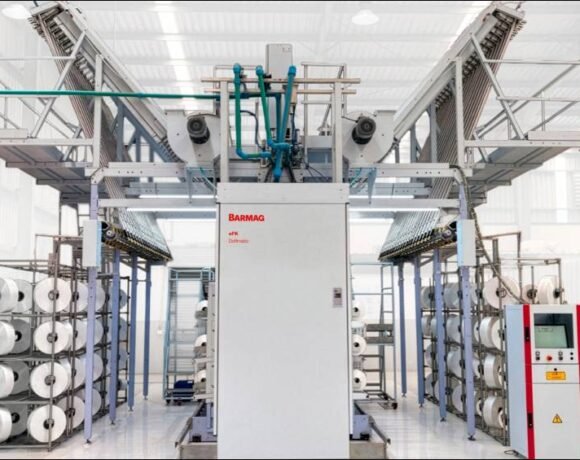
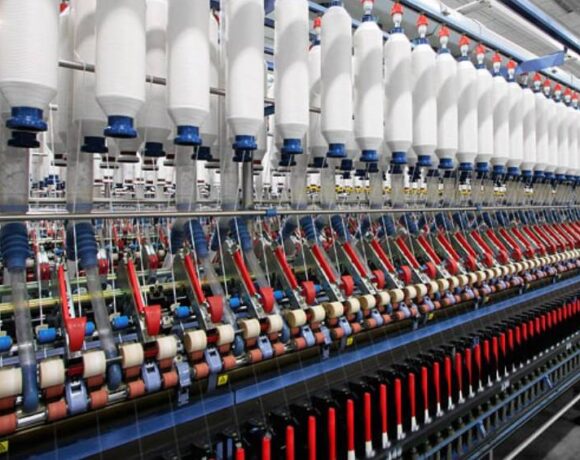
In manufacturing, AI algorithms analyse operational data to assess equipment productivity and identify conditions that may require preventive maintenance. Detecting potential problems early can help teams address disruptions before they affect production. Machine learning complements this process by identifying patterns in operating data and helping refine production parameters.

Spunlace non-woven fabric production illustrates how these tools can work together. The process uses high-pressure water jets to entangle fibres and form fabric, making water pressure and consumption important operating variables. AI-based analysis can help monitor these parameters, while machine learning can support adjustments aimed at maintaining consistent production and improving resource efficiency.
The value of such applications lies in turning factory data into timely action. As manufacturers collect more information from their equipment, the ability to interpret it becomes increasingly important. Digital monitoring can give production teams a clearer view of operating conditions and help them identify where intervention is needed.
Welspun Living’s use of AI also extends to customer interactions. The company describes AI-powered chatbots that respond to queries and provide personalised product recommendations. These tools can help customers navigate its product range while generating insights into preferences and buying behaviour.
Machine learning algorithms analyse purchase data and customer feedback to identify trends. These insights can inform product offerings and marketing strategies, helping the company respond more closely to customer needs.
However, the effectiveness of AI depends on more than adopting new software. Reliable data, integration with existing processes and the ability of employees to act on insights remain central to its practical value. The material shared by the company does not quantify productivity gains, cost savings or improvements in customer satisfaction from these applications.
Data privacy and transparency are equally relevant as businesses use customer information to personalise services. Welspun Living says it recognises these concerns and is committed to responsible implementation across its operations.
For the company, the next stage will be to build on these applications and translate digital capabilities into measurable operating improvements. As AI and ML become more closely embedded in textile manufacturing, their contribution will increasingly be assessed through consistent quality, efficient resource use and better customer service.