
West Asia Crisis May Widen India’s Cad TO 2%: Crisil
A prolonged crisis in West Asia could push India’s current account deficit (CAD) to around 2% of GDP, as higher energy costs and weaker external inflows strain the country’s external balance, according to a report by CRISIL.
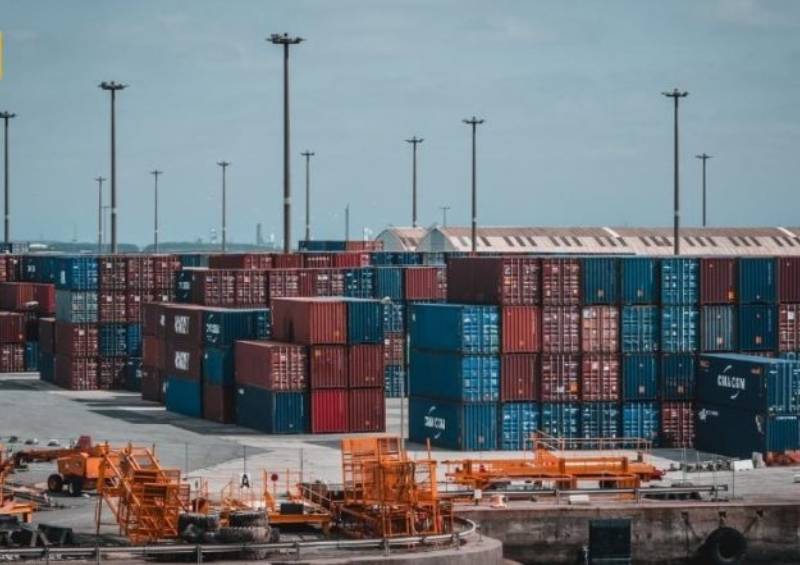
The report highlights that under a stress scenario, rising crude oil prices, higher natural gas costs and increased fertiliser imports could significantly inflate India’s import bill, thereby widening the trade deficit. A sharp year-on-year increase in crude prices is expected to further elevate the petroleum import burden, which already accounts for a large share of total imports.
In addition to cost pressures, potential disruptions in exports to West Asia, along with higher shipping and insurance expenses and subdued global demand, could weigh on outbound shipments. This combination is likely to further expand the trade gap.

The report also flags risks to remittance inflows from the region, which form a crucial component of India’s external receipts. Any slowdown in income levels of Indian workers in West Asia may lead to reduced remittances in the near term, adding to pressure on the current account.
However, a strong surplus in services trade is expected to provide some cushion against these headwinds.
In its baseline scenario, CRISIL estimates India’s CAD at around 1.5% of GDP. But it cautions that sustained geopolitical tensions and prolonged energy price shocks could push the deficit closer to 2%.
The report further points to broader macroeconomic implications, including the risk of higher inflation, currency pressures, and tighter financial conditions if the crisis persists and continues to disrupt energy supplies.
Economic growth could also face moderate downside risks. As a country heavily dependent on energy imports, India remains particularly vulnerable to such external shocks. The Asia-Pacific region, including India, is identified as being highly exposed to energy disruptions, with rising costs likely to erode purchasing power and dampen domestic demand.
Under this adverse scenario, India’s GDP growth could ease to around 6.8%, compared to a baseline estimate of 7.1%, with sectors such as manufacturing, construction and services expected to feel the impact of elevated input costs and supply constraints.