Worker Health: One Of The Most Underdiscussed Issues In Textile Manufacturing
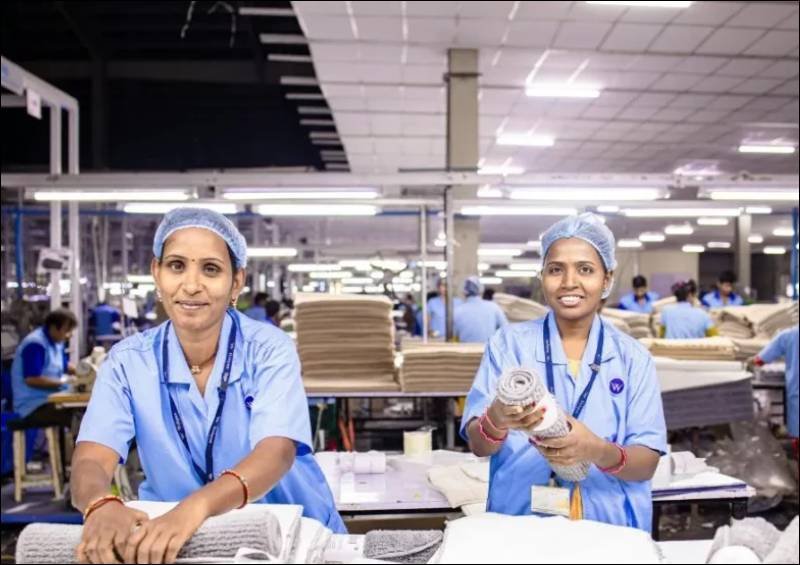
The greatest health risks in the textile industry do not necessarily come from wearing the finished product. They can arise during its manufacture.
Workers in dyeing, finishing and coating facilities may be exposed daily to chemicals, solvents and processes that, without proper management, can lead to occupational disease, long-term disability and, in severe cases, premature death. Yet worker health remains one of the least discussed aspects of textile sustainability.
Sustainability conversations in the textile industry increasingly focus on carbon emissions, water and waste. Worker health and safety, when discussed, often centres on building safety, wages and working hours. Chemical exposure during production receives far less attention.

The International Labour Organization estimates that more than one billion workers globally are exposed to hazardous substances in their workplaces. Textile dyeing, finishing and coating facilities are part of this global health challenge, with workers potentially encountering reactive chemicals, volatile organic compounds, powder enzymes and substances classified as carcinogenic, mutagenic or toxic to reproduction (CMR).
The legal responsibility for providing safe working conditions rests with the manufacturer operating the facility. However, brands sourcing from these facilities also have responsibilities under human rights due diligence frameworks, including the UN Guiding Principles on Business and Human Rights and the OECD Guidelines for Multinational Enterprises. They are expected to identify, prevent and mitigate risks in their supply chains and contribute to remediation where harm occurs.
A risk that is never assessed cannot be prevented. End-product testing cannot reveal what workers may have been exposed to during production.
The bluesign System assesses occupational health and safety as part of a broader facility-level evaluation covering chemical management, environmental performance, emergency preparedness and social responsibility. Common risks include inadequate ventilation, open chemical handling, missing hazard assessments, insufficient training and improper storage of hazardous materials.
Effective health and safety management follows the S.T.O.P. principle, a hierarchy of controls. The preferred approach is to Substitute hazardous substances with safer alternatives. This is followed by Technical controls, such as enclosed systems, local exhaust ventilation and automation. Organisational measures, including training and standard operating procedures, provide the next layer of protection. Personal protection equipment (PPE) is the final line of defence.
Better-managed facilities may also implement workplace atmosphere monitoring, formal hazard assessments, chemical substitution programmes, enclosed dosing systems and regular training for workers handling hazardous materials.
Worker health matters first because workers can be harmed. The International Labour Organization recognised a safe and healthy working environment as a fundamental principle and right at work in 2022.
It also matters legally and commercially. Human rights due diligence requirements are increasingly incorporated into national law, including Germany’s Supply Chain Due Diligence Act and France’s Duty of Vigilance law. The EU Corporate Sustainability Due Diligence Directive is also scheduled to apply to companies within its scope from 2029 under the amended timeline.
Worker health, community safety, consumer protection and environmental performance are interconnected. A comprehensive approach to textile chemical management must address all four from chemical selection and production to the finished product.