Worn Again Technologies Launches Textile Recycling Accelerator In Winterthur
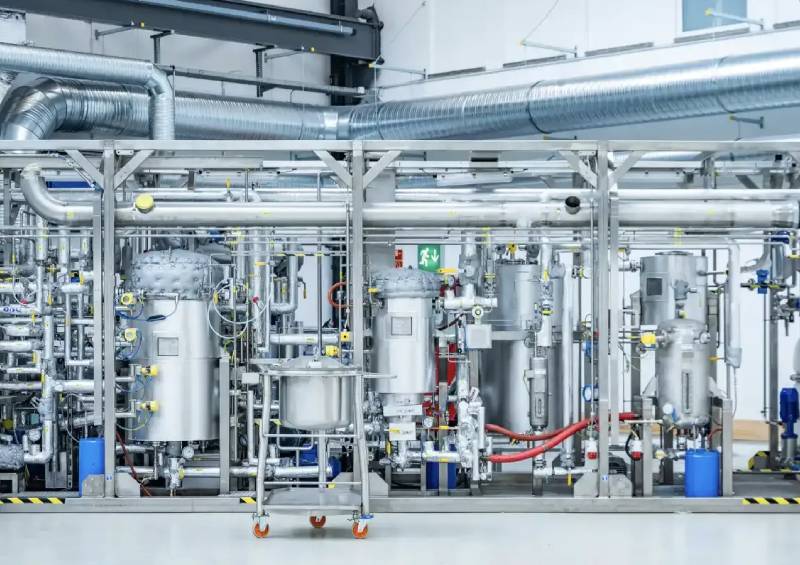
Worn Again Technologies has unveiled its textile-to-fibre accelerator plant in Winterthur, marking a key step toward commercialising its textile recycling technology and demonstrating the technical and economic viability of polycotton recycling.
The facility showcases the company’s proprietary chemical recycling process designed to recover and regenerate polyester and cellulose from end-of-life textiles. The development represents a major milestone in Worn Again’s effort to convert textile waste into circular raw materials for new fibre production.
According to the company, less than 1 per cent of global clothing is currently recycled, even as textile production exceeds 120 million tonnes annually, highlighting the urgent need for scalable recycling solutions.
Michael Weiss, CEO of Worn Again Technologies, said the fashion industry is at a turning point, noting that blended polycotton materials traditionally difficult to recycle, can now be processed efficiently using the company’s technology.
The Accelerator marks the transition from laboratory research to industrial-scale validation. Over recent years, the company has refined its process chemistry and engineering design to enable high-purity recovery of polyester and cellulose fibres while recovering more than 95 per cent of solvents used in the process.
The technology’s multi-solvent system allows the separation of complex textile components such as dyes and elastane, major challenges for conventional recycling processes. Since 2024, Worn Again has also achieved successful fibre spinning from recovered outputs, improving material purity and performance.
The Accelerator plant is being deployed in modules. The first module focuses on recovering spinnable polyester from post-consumer textile waste, including polycotton blends sourced from Switzerland, the European Union and the United Kingdom. The recovered circular polyester will be supplied for downstream testing and product development.
A second module, currently in detailed engineering, will produce next-generation cellulosic fibres and advanced cellulosic materials.
The Accelerator will enable partner companies to test their textile feedstocks and validate the recycling process across diverse material streams, generating critical operational data.
The company is now progressing toward its first commercial-scale plant, aimed at processing significant volumes of textile waste and producing circular raw materials for the fashion industry.
With the facility operational, Worn Again Technologies said it will collaborate with brands, manufacturers and waste management partners to scale textile-to-textile recycling and accelerate the transition to a circular fashion economy.