WTRLSS Launches Digital Denim Dyeing Technology That Cuts Water Use By 99.9%
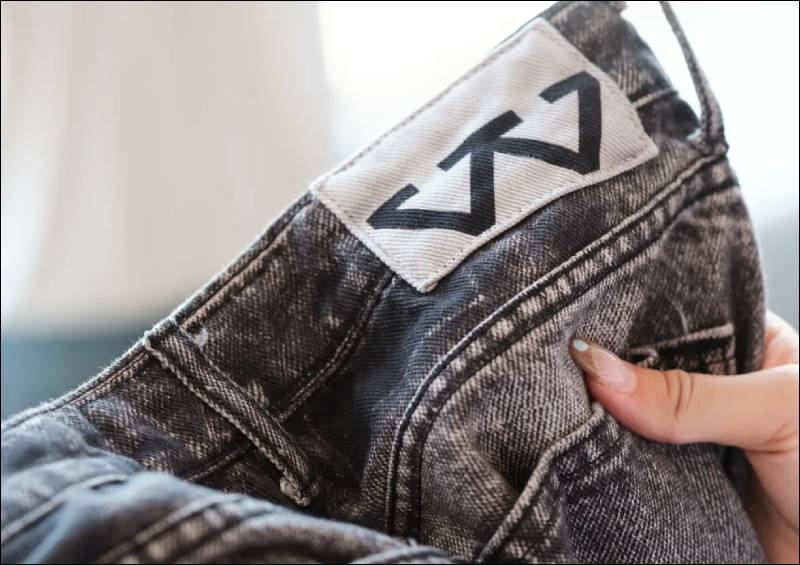
Biotechnology startup WTRLSS has launched a digital denim dyeing and finishing technology that it says can reduce water consumption by up to 99.9%, moving the company from research and development into commercial deployment across the global denim industry.
The Los Angeles-based company, formerly known as Lab Denim, said its MultiActiv technology compresses multiple stages of conventional denim dyeing and finishing into a single digital application process.
Conventional denim manufacturing can require around 75 litres of water per pair of jeans. According to WTRLSS, its process reduces water consumption to approximately two tablespoons per pair while cutting energy use by up to 90%.

MultiActiv eliminates conventional dye baths, wash-off stages and water-based pre- and post-treatments. The company also says the process avoids toxic chemicals traditionally associated with wet processing.
Designed for digital application, the technology enables manufacturers to create denim colours and finishes without relying on conventional water-intensive processing routes. WTRLSS said the system is intended to retain the appearance and performance characteristics associated with authentic denim while significantly reducing resource consumption.
“For more than a century, the industry has accepted that authentic denim comes with an enormous environmental cost,” said Mickaël Mheidle, WTRLSS Co-Founder, Chairman and Chief Scientist. “We’ve proven it doesn’t have to.”
Dustin White, Co-Founder and Chief Executive of WTRLSS, said improving denim dyeing is both an environmental and commercial priority for manufacturers.
Bangladesh-based Ha-Meem Group has signed on as WTRLSS’s first commercial production pilot partner. The apparel and denim manufacturer will evaluate the technology at industrial scale as part of its production operations.
Sajid Azad, Director at Ha-Meem Group, said the technology could enable the company to produce authentically finished denim while reducing the industry’s dependence on water-intensive processes.
In the United States, the Industrial Sewing and Innovation Center (ISAIC), a Detroit-based non-profit organisation, is among the first organisations scheduled to deploy the technology at its manufacturing facilities.
WTRLSS is also working with early-adopter brands planning collections using the technology, with commercial orders already underway, according to the company.
Beyond water savings, the company said MultiActiv could change the geographic footprint of denim manufacturing. Reduced dependence on local water supplies could enable textile processing in regions where water availability has traditionally limited production. This could support near-shoring strategies and help manufacturers respond to stricter environmental requirements.
WTRLSS plans to operate as an “ingredient brand”, working with apparel manufacturers and brands to identify garments produced using its technology.
While denim is its initial focus, MultiActiv could potentially be applied to other natural and regenerated fibres, including cotton, jute, bamboo and linen. The company plans to expand the technology into broader textile applications.
WTRLSS is headquartered in Los Angeles and maintains a European base in Basel, Switzerland.