
GOTS-Certified Facilities Rise 15% Globally As Demand For Credible Standards Grows
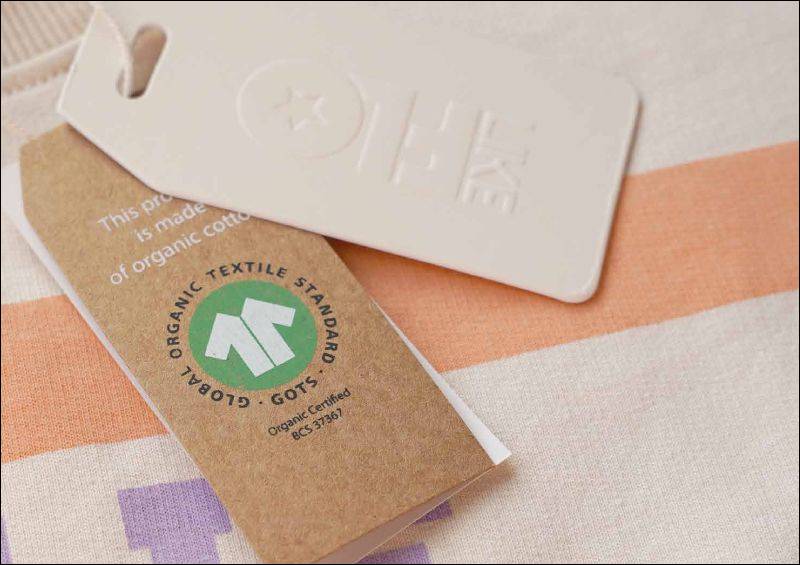
The Global Organic Textile Standard (GOTS) continued its strong growth trajectory in 2025, with the number of certified facilities worldwide increasing by 15.3% year-on-year to reach 17,800 across 95 countries, according to the latest annual report released by Global Standard.
The growth comes amid a year marked by geopolitical uncertainty and rapidly evolving regulatory frameworks, highlighting the rising importance of credible, independently governed sustainability standards across global textile supply chains. Companies are increasingly turning to such frameworks not only to demonstrate sustainability commitments but also to manage risk, ensure compliance and substantiate claims in an environment of heightened scrutiny.
“Voluntary sustainability standards are increasingly being used not just to demonstrate intent, but to operationalise complex regulatory and ethical requirements,” said Claudia Kersten, Managing Director of Global Standard, emphasising the organisation’s focus on strengthening transparent and practical systems for the industry.

A key milestone during the year was the OECD Due Diligence Alignment Assessment, which found that GOTS is among the most advanced standards globally, with 98% of assessed criteria fully or partially aligned with OECD guidelines. This recognition reinforces GOTS’ role as a comprehensive system addressing environmental, social and labour risks across the textile value chain.
Further strengthening its framework, Global Standard advanced its digital infrastructure to improve traceability and system integrity. Initiatives such as Global Trace Base, first-mile fibre registries and enhanced impact monitoring tools have contributed to greater transparency and data reliability across certified supply chains.
In parallel, the revision of GOTS Version 8.0 progressed through extensive stakeholder consultation in line with ISEAL guidelines. The updated standard, released in March 2026, incorporates evolving expectations around environmental and social responsibility, circularity and regulatory compliance, with mandatory implementation set for March 2027.
Expanding beyond organic fibres, Global Standard also advanced the development of the Global Responsible Textile Standard (GRTS), launching its first public consultation in 2025. Designed to extend the organisation’s system-based approach to non-organic fibres, GRTS aims to establish a credible and scalable framework for responsible textile processing across a broader range of materials.
“Building on this systems-led approach, the development of GRTS marks an important next step,” said Rahul Bhajekar. “Together with GOTS, it will offer companies a clearer pathway to manage responsibility across fibres and align with due diligence expectations.”
Education and capacity building remained a key focus area, with the launch of the Global Standard Academy and new training initiatives for auditors, certification bodies and industry stakeholders. These efforts are aimed at supporting consistent implementation as regulatory and operational complexities increase.
The organisation also continued to expand its Space Cotton initiative in collaboration with European Space Agency and AI firm Marple. Using satellite imagery to map cotton cultivation, the project extended from India to Turkey in 2025, supporting improved verification and increased availability of certified organic cotton.
Additionally, Global Standard’s #BehindTheSeams campaign reached over 144 million individuals, reflecting growing consumer awareness and engagement around sustainable textiles.
Looking ahead, the combined framework of GOTS and GRTS is expected to strengthen the credibility and scalability of responsible textile production. As regulatory pressures intensify and transparency becomes non-negotiable, Global Standard continues to position itself at the forefront of building robust, system-level solutions for the global textile industry.