
DOST-PTRI Launches Banana Fibre Innovation Hub In Isabela
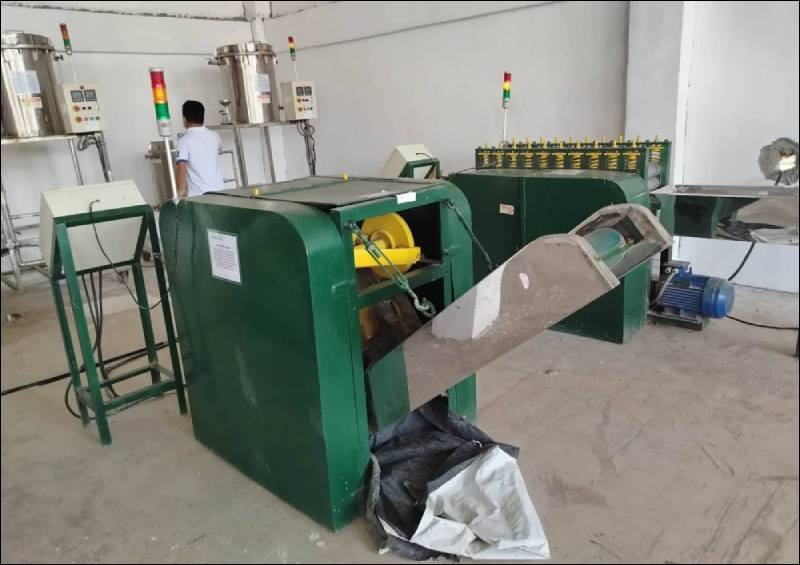
The Philippine textile sector has taken another step toward sustainable material innovation with the launch of a P6 million Natural Textile Innovation Hub in Benito Soliven, Isabela, an initiative designed to transform banana agricultural waste into high-value textile products while generating livelihood opportunities in rural communities.
The project, spearheaded by the Department of Science and Technology (DOST) through the Philippine Textile Research Institute (PTRI), highlights the government’s growing push to harness science and technology to build innovation-driven industries and maximize the value of local agricultural resources.
The initiative aligns with President Ferdinand R. Marcos Jr.’s directive to strengthen rural enterprise development, expand livelihood opportunities and promote greater value creation across the country’s agricultural sectors.

According to DOST-PTRI Director Julius Leaño Jr., the innovation hub is expected to accelerate the development of Isabela’s emerging natural fibre industry while creating a platform for sustainable, science-based enterprises in local communities.
Implemented in partnership with the local government of Benito Soliven and the Solivenian Agriculture Business Association (SABA), the project is designed to provide communities with advanced processing technologies that can convert banana stalks typically regarded as agricultural waste into marketable textile fibres.
DOST allocated P6 million for the acquisition and installation of processing technologies that will enable the production of banana-based textile materials for a range of applications, including handicrafts, woven products, fashion materials and other eco-friendly textile solutions.
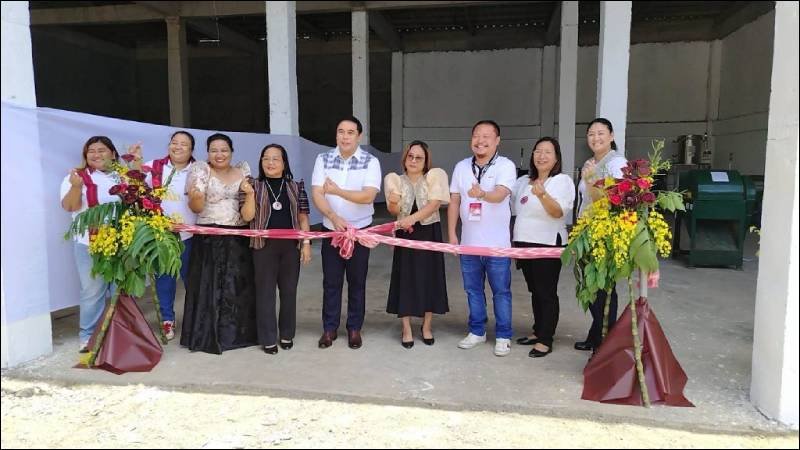
“The facility will help local producers maximize the use of agricultural waste, particularly banana stalks, by converting them into marketable textile fibres,” Leaño said, emphasizing the initiative’s role in strengthening local industries through science, technology and innovation.
The hub is expected to create additional income streams for farmers and community-based organizations by turning underutilized agricultural byproducts into commercially viable raw materials.
Local officials, led by Benito Soliven Mayor John Paul Azur, welcomed the establishment of the facility, highlighting its potential to generate employment, strengthen sustainable livelihoods, and position Benito Soliven as a regional centre for natural textile innovation.
The launch also reflects DOST-PTRI’s broader strategy to revive the Philippine textile industry by promoting indigenous, sustainable raw materials capable of competing in both local and global markets.
As the global textile industry increasingly shifts toward circularity and bio-based materials, initiatives such as the Benito Soliven Natural Textile Innovation Hub demonstrate how localized innovation ecosystems can help unlock the commercial potential of agricultural residues, turning waste into a valuable resource for the next generation of sustainable textiles.