
Nullarbor Biotech Fibre: The Sustainable Tree-Free Fibre

The production of Nanollose’s Nullarbor fibre impacts no trees or plants and uses very little water, significantly reducing the environmental footprint. This innovation represents the world’s first sustainable tree-free rayon fibre, writes Dr. N.N. Mahapatra
As the environmental impact of the textile industry becomes more prominent, there is an increasing urgency among consumers, brands, retailers, and manufacturers to seek and cultivate alternative fibre resources. Progressive companies are facilitating this shift by engaging deeply in the supply chain and searching for sustainable long-term alternatives.
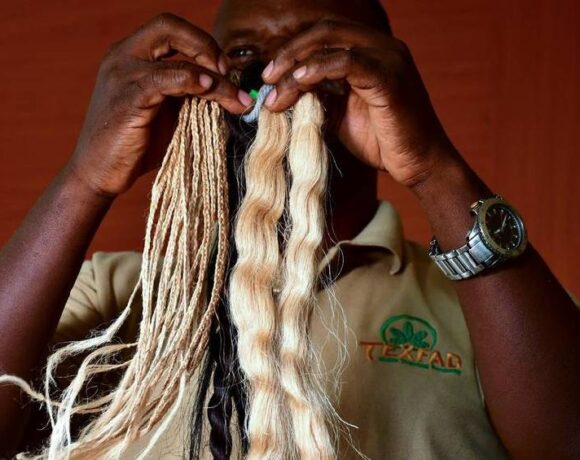
Every year, millions of coconuts are harvested for their water, oil and flesh. However, 90% of the coconut husks and shells are discarded as waste and sent to landfills. One Australian biotech company, Nanollose Ltd, sees potential in this waste. Nanollose researches and develops plant-free cellulose technologies and has created coconut wool from sustainably sourced coconut waste to produce a “Tree-Free” rayon called Nullarbor biotech fibre. Named after the Latin phrase nullus arbor, meaning “no trees,” this fibre offers an alternative to traditional rayon and wool.

The production of traditional rayon fibres involves cutting down 150 million trees annually and treating them with hazardous chemicals. Similarly, producing a single cotton T-shirt requires about 2,700 litres of water. In contrast, the production of Nanollose’s Nullarbor fibre impacts no trees or plants and uses very little water, significantly reducing the environmental footprint. This innovation represents the world’s first sustainable tree-free rayon fibre.
Nullarbor Fibre Manufacturing Process
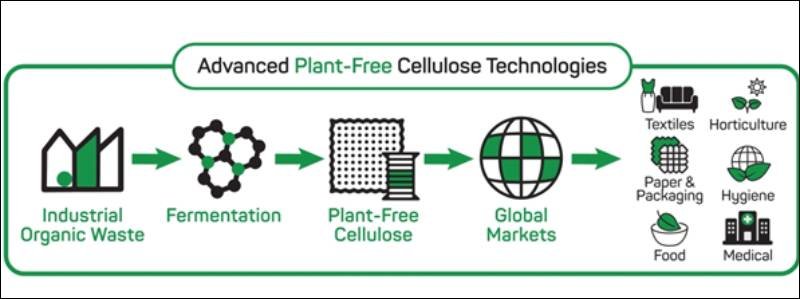
The technology behind Nullarbor fibre originates from the work of Perth scientist and winemaker Gary Cass, who discovered a new material when he accidentally ruined a batch of wine. The process uses microbes to ferment liquid waste products from the food industry, including coconuts, to extract cellulose fibre. This proprietary process is efficient, requiring very little land, water or energy, and has a production cycle of just 18 days compared to the eight months needed for cotton.
The process involves six steps, starting in a facility where microbes ferment liquid coconut waste into cellulose, a raw material similar to cotton. The cellulose is then transformed into Nullarbor fibre, dried and spun into yarns. Compared to cotton and rayon, this method is low-cost and eco-friendly, producing a yield in as few as 10 days. Additionally, it has the potential to convert biomass waste from the beer, wine and liquid food industries into fibres, earning it the nickname “Fermented Fashion.”
In 2018, the first test garment made from Nullarbor fibre was knitted using 3D sweater-knit technology. This eco-friendly manufacturing solution is used to produce everyday items such as clothing, paper and hygiene products. Recognized by Canopy, a global leader in forest conservation, Nanollose is seen as a next-generation solution provider addressing environmental issues in the fashion industry.
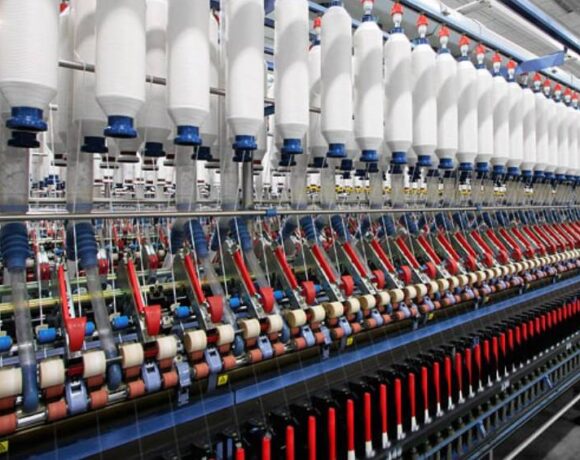
Unlike conventional rayon, which derives from wood pulp and involves harmful chemical processes, Nanollose’s sustainable tree-free fibre is produced by microbes that convert waste products into microbial cellulose in less than a month, requiring minimal land, water and energy. This microbial cellulose is then converted into Nullarbor fibres using technology compatible with existing manufacturing equipment.
The development of the world’s first tree-free Nullarbor lyocell garment, designed by Australian womenswear designer Lee Mathews, marked a significant step in demonstrating that Nanollose’s technology offers a commercially viable, eco-friendly manufacturing solution. Nullarbor tree-free lyocell fibres are forest-friendly, sustainable and significantly stronger than conventional lyocell.
At the Planet Textiles 2018 event in Canada, Nanollose launched Nullarbor, the microbial cellulose fabric derived from coconut byproducts. This microbial cellulose is grown through natural fermentation, using industrial organic and agricultural waste products to produce plant-free cellulose without involving tree felling, arable land or resource-intensive inputs. This makes it a sustainable product with potential for industrial-scale manufacture, year-round production, and a significant yield-to-field advantage.
Nanollose initially taps into the established coconut industry for raw materials, but as they scale up, they plan to use waste streams from larger industries. Their collaboration with Birla Cellulose has resulted in the production of high-tenacity lyocell fibres made from bacterial cellulose. In 2022, the first pilot batch with 20% bacterial pulp was produced, yielding several high-quality fabrics and garments. This partnership aims to increase the production scale and bacterial pulp content in the fibres.
With a growing demand for cleaner alternatives, major clothing brands like H&M and Zara are committing to using sustainably sourced materials. To meet this demand, Nanollose is developing a supply chain around waste from the Indonesian coconut industry and other industries, aiming to increase fibre production significantly in the next 3-6 months.
The first pilot-scale spinning of eco-friendly lyocell fibres containing 20% Nullarbor microbial cellulose by Birla Cellulose marked a significant milestone. These new fibres maintain the superior attributes of Birla’s Excel lyocell while reducing the use of virgin wood-based pulp. This trial demonstrates the potential for commercializing the technology using existing manufacturing equipment and provides a path to supplying fashion and textile companies with sustainable fibre samples.
The combination of Nanollose’s tree-free cellulose and Birla Cellulose’s closed-loop lyocell production process makes Nullarbor lyocell one of the most eco-friendly and sustainable fibres available. This fibre is finer than silk and significantly stronger than conventional lyocell made from wood pulp, offering a promising alternative for the fashion industry.