Govt Expands Textile Push Beyond Traditional Manufacturing Hubs
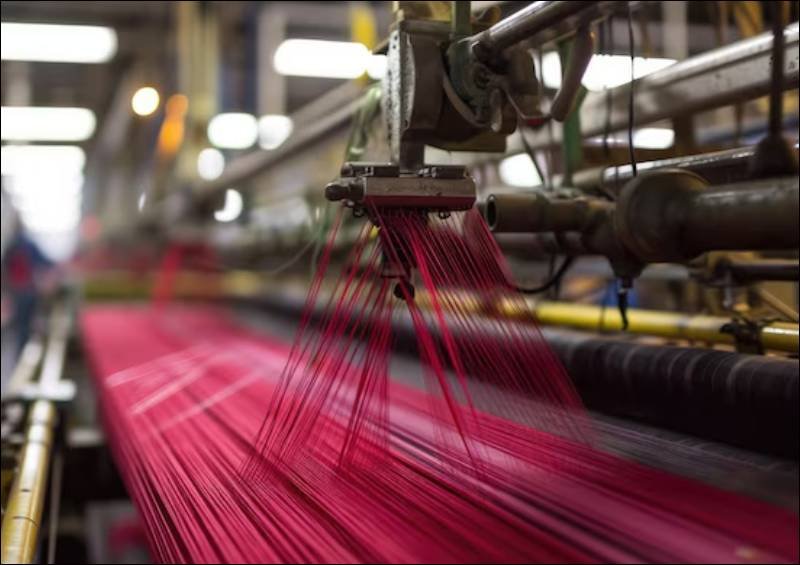
The Ministry of Textiles is stepping up efforts to expand India’s textile manufacturing base beyond established clusters such as Tirupur, Surat, Panipat and Ludhiana, as part of a broader strategy to promote balanced industrial growth and attract fresh investments across new regions.
The government is engaging with states including Chhattisgarh, Kerala and Jharkhand to facilitate the development of textile manufacturing ecosystems, with a focus on creating new production centres in regions that currently have limited industry presence.
The initiative is aligned with the government’s efforts to accelerate implementation of the Production Linked Incentive (PLI) Scheme for textiles, which aims to strengthen domestic manufacturing of man-made fibre apparel, fabrics and technical textiles while attracting large-scale investments into the sector.

To support the next phase of the scheme, the Ministry of Textiles has established a dedicated facilitation unit to work closely with participating companies and state governments. The unit is expected to coordinate project implementation, address operational challenges and ensure timely execution of approved investments.
The expansion strategy is intended to diversify India’s textile manufacturing landscape, reduce dependence on a few established clusters and create new employment opportunities in emerging industrial regions. The textile and apparel sector remains one of India’s largest employers, providing direct employment to more than 45 million people.
Launched in September 2021, the PLI Scheme for Textiles is designed to enhance India’s global competitiveness in value-added textile products, particularly in the man-made fibre and technical textiles segments, while encouraging investments in advanced manufacturing capacities.